"Just to be sure..."
Some top players have their own superstitions, and research suggests rituals can boost confidence and help people stick with a task. Whether they help anyone play better chess, though, hasn't been established. Superstitions are part of sports culture. Fans might stay glued to their seats while their team is playing even when they really need a bathroom break, you know, just in case getting up changes the luck. It really makes one wonder: how do superstitions in chess work?
Do players have a lucky board? Just like batsmen have lucky bats? Lucky pieces? Lucky outfits? Anything?
A lucky shirt and two steaks a day
In a 2020 interview with chess.com, Polish Grandmaster Jan-Krzysztof Duda said he didn't really believe in superstition, but liked having lucky things "just to be sure". He said he kept the same clothes after a win at the 2018 Polish Championship and ate two steaks a day after steak had been part of his first winning-day meal. Does it really work? Who knows, but at least he's getting protein.
 Let us learn together how to find the best spot for the queen in the early middle�game, how to navigate this piece around the board, how to time the queen attack, how to decide whether to exchange it or not, and much more!
Duda's story is funny because it captures the way a routine can grow: one win turns into a pattern, and suddenly changing your shirt or ordering something different feels like tempting fate. It doesn't tell us the shirt or steaks helped him win. It tells us how quickly a player can start treating a winning streak as something to protect.
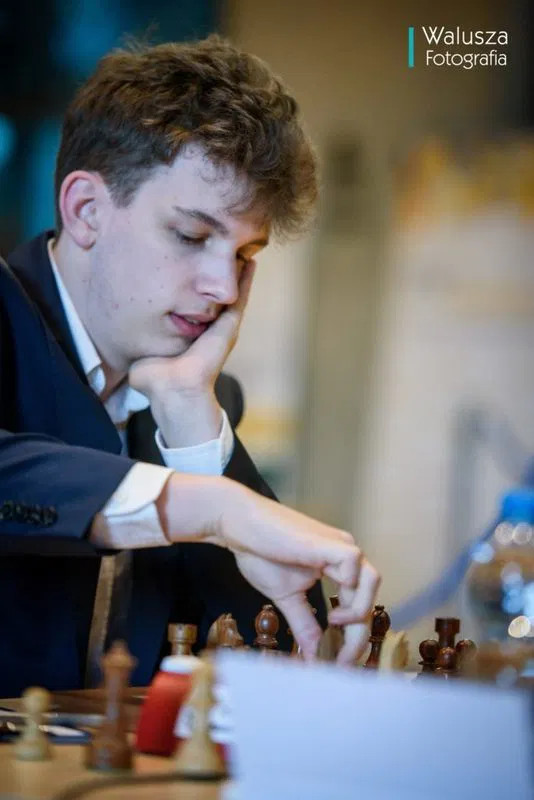
Jan-Krzysztof Duda at the 2018 Polish Championship | Photo: Michal Walusza
Alekhine's unusual pre-game companion
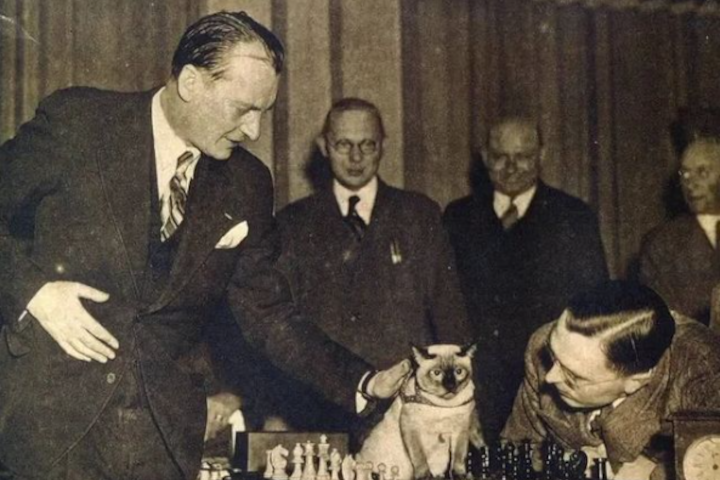
The most memorable chess superstition may belong to Alexander Alekhine, world champion in the 1930s and 1940s. His opponent Max Euwe later recalled that Alekhine sometimes let his Siamese cat sniff the chessboard before a game. If the cat couldn't be there, Euwe said, Alekhine wore a sweater bearing its picture.
The account appears in a 1978 interview with Euwe, as documented by chess historian Edward Winter and the FIDE Open Chess Museum. It's a wonderful image, but it comes from Euwe's recollection decades later. It's safest to describe it as Euwe's account, rather than assume the cat attended every game or that the ritual affected the result.
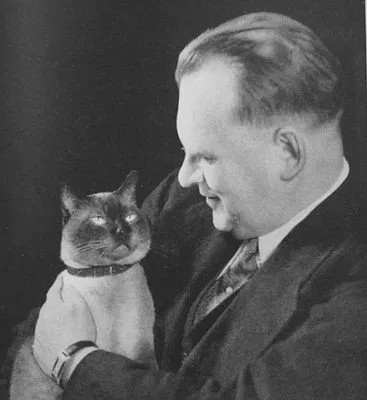
Alexander Alekhine and his cat | Photo: FIDE
Numbers, nerves and a little luck
A reproduced interview with Tigran Petrosian and Boris Spassky, the tenth world chess champion, offers another glimpse of chess players' relationship with luck. Petrosian recalled hoping to draw number seven and play white against the weakest opponent at his first international tournament. He got both and said it felt impossible to play badly afterwards.
 In this video course, experts including Dorian Rogozenco, Mihail Marin, Karsten Müller and Oliver Reeh, examine the games of Boris Spassky. Let them show you which openings Spassky chose to play, where his strength in middlegames were and much more.
He also joked about avoiding a black cat, while noting that he had won the world title with ticket number 13 (13 is usually considered a bad omen). The interview is attributed to Vasiliev's book Tigran Petrosian: His Life and Games - the online version is available here.
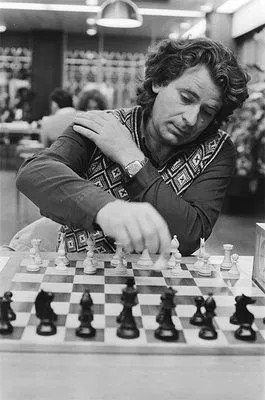
Boris Spassky | Photo: FIDE Open Chess Museum
Can a ritual help?
Some evidence suggests that lucky charms and rituals can affect performance in other settings. In a 2010 study, psychologists found that activating good-luck beliefs improved people's performance on tasks involving golf putting, motor skills, memory and anagrams. The researchers linked the effect to confidence and persistence. But chess wasn't among the tasks studied, so the findings don't show that a lucky shirt or cat improves chess results. Read the study in Psychological Science.
Perhaps that's the appeal of a ritual: it gives a player something familiar to hold on to when the outcome is uncertain. It won't find the best move. But if it helps someone settle in and focus, maybe that's enough.
On this DVD GMs Rogozenco, Marin, Müller, and IM Reeh present outstanding games, stunning combinations and exemplary endgames by Alekhine. And they invite you to improve your knowledge with the help of video lectures, annotated games and interactive tests