The following article appeared in the Thüringer Allgemeine on 1 October 2026. Reproduced with kind permission.
The princes of Samarkand
There is a Thuringian story behind Germany's bronze medal at the Chess Olympiad. It is a story of youth development that began two decades ago - and is closely linked to national coach Bernd Vökler from Apolda.
When Rasmus Svane sits down to dinner in Bad Blankenburg a few weeks before the Chess Olympiad, the medal in Samarkand is still a distant dream. The national team players are preparing for the highlight of the season at the regional sports school - supported by grandmaster Peter Svidler, once a second to former world champion Vladimir Kramnik and a commentator for the official YouTube channel at the Olympiad. After a long day of training, Svane jokes that if they manage to win a medal in Uzbekistan, it will surely be thanks to the excellent raspberry spritzer in Bad Blankenburg.
 Chess is a concrete game. There is no way around training your calculation skills. Improve your visualization, pattern recognition and learn calculation techniques such as reciprocal thinking with this course.
Calculation is at the heart of practical chess. Every chess concept builds on proper calculation technique. Therefore, all chess players should continuosly train the fundamental techniques, concepts and patterns this course will present. The goal isn't only to teach you to calculate, but to give you the tools and insights to keep improving long after the final lesson.
Free sample video: Introduction
Free sample video: Quiet Moves
They do. Germany wins bronze - the first medal for a German men's team at a Chess Olympiad in 26 years. The joke about the spritzer becomes a symbol. For many of the paths leading to this success do indeed point to Thuringia.
Above all, they lead to Bernd Vökler. The Apolda native has been Germany's national youth coach since 2003 and has since become one of the most important sources of ideas within the German Chess Federation. Anyone who wants to understand why the current generation is so successful has to look back two decades.
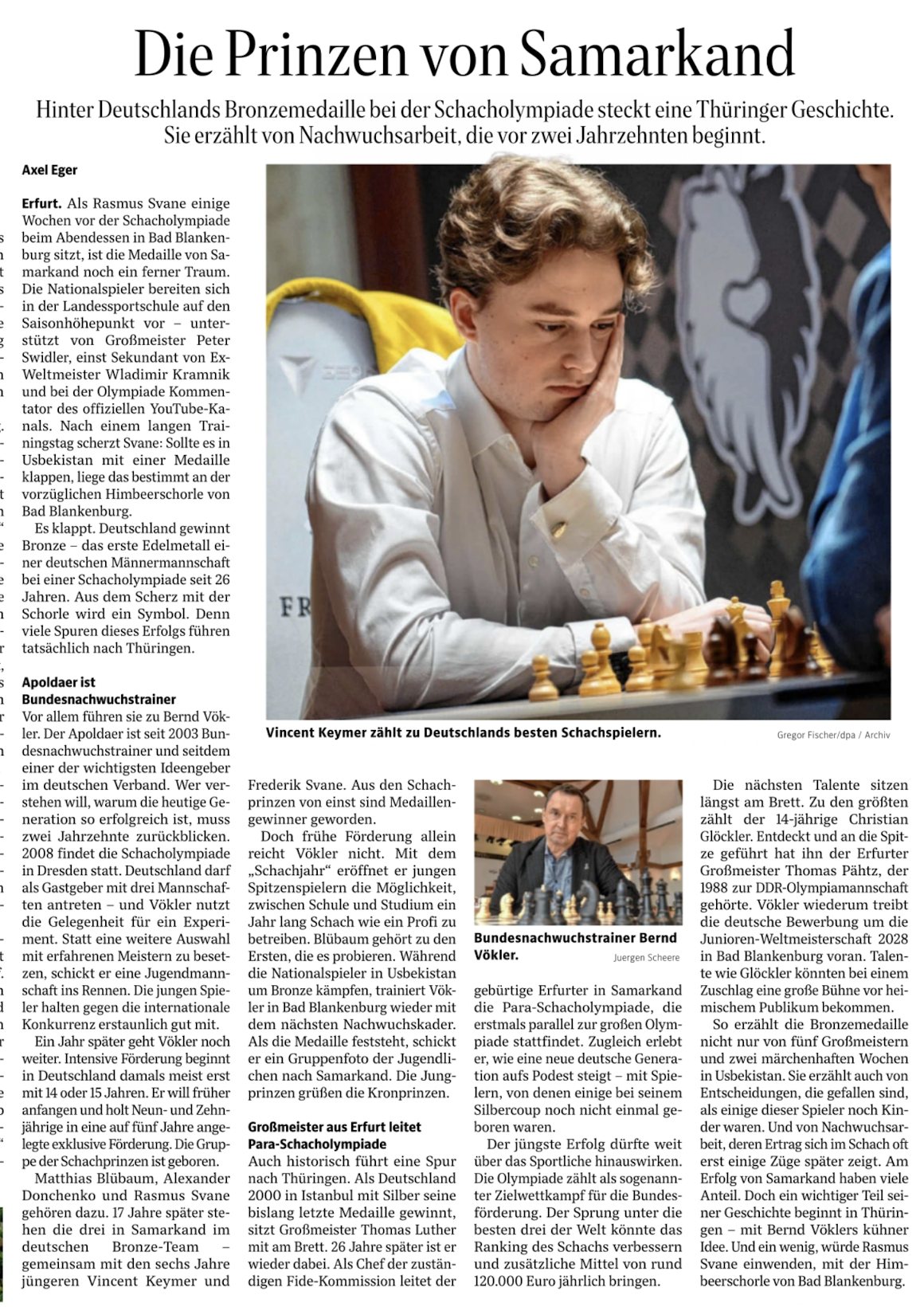
In 2008, the Chess Olympiad is held in Dresden. As the host nation, Germany is allowed to enter three teams - and Vökler uses the opportunity for an experiment. Instead of filling another team with experienced masters, he sends a youth squad into the competition. The young players perform surprisingly well against international opposition.
A year later, Vökler goes a step further. At the time, intensive support in Germany generally begins only at the age of 14 or 15. He wants to start earlier and brings nine- and ten-year-olds into a five-year development programme. The group known as the Chess Princes is born.
Matthias Blübaum, Alexander Donchenko and Rasmus Svane are among them. Seventeen years later, all three are part of Germany's bronze-medal team in Samarkand - together with Vincent Keymer and Frederik Svane, who are six years younger. The Chess Princes of the past have become medal winners.
But early development alone is not enough for Vökler. With the "Chess Year", he gives young elite players the opportunity to spend a year between school and university treating chess as a profession. Blübaum is among the first to try it.
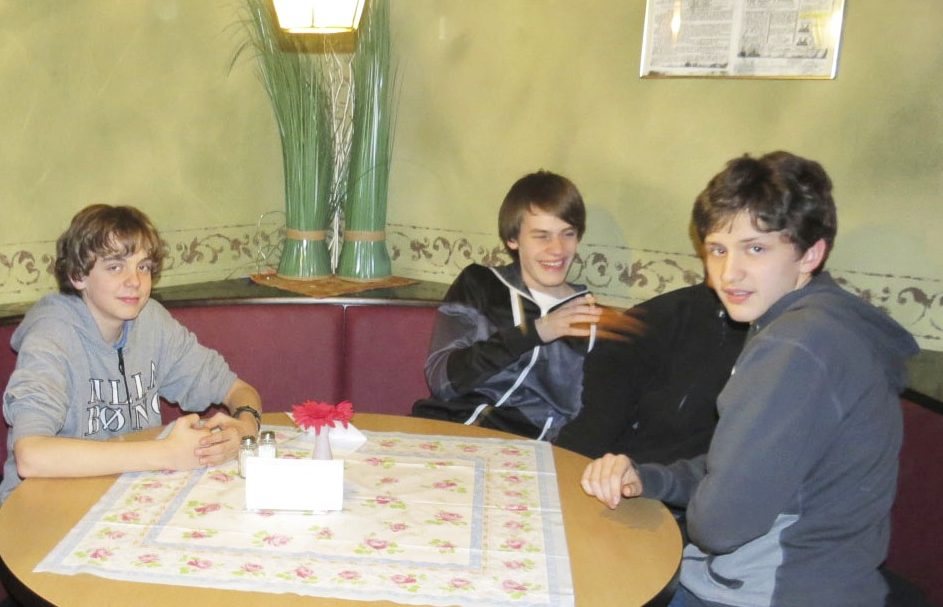
While the national team players are fighting for bronze in Uzbekistan, Vökler is already back in Bad Blankenburg training the next group of young players. When the medal is confirmed, he sends a group photograph of the youngsters to Samarkand. The young princes send their greetings to the crown princes.
 In this course, we will learn how to identify passively placed pieces in any given situation and how to improve their health by bringing them into active squares.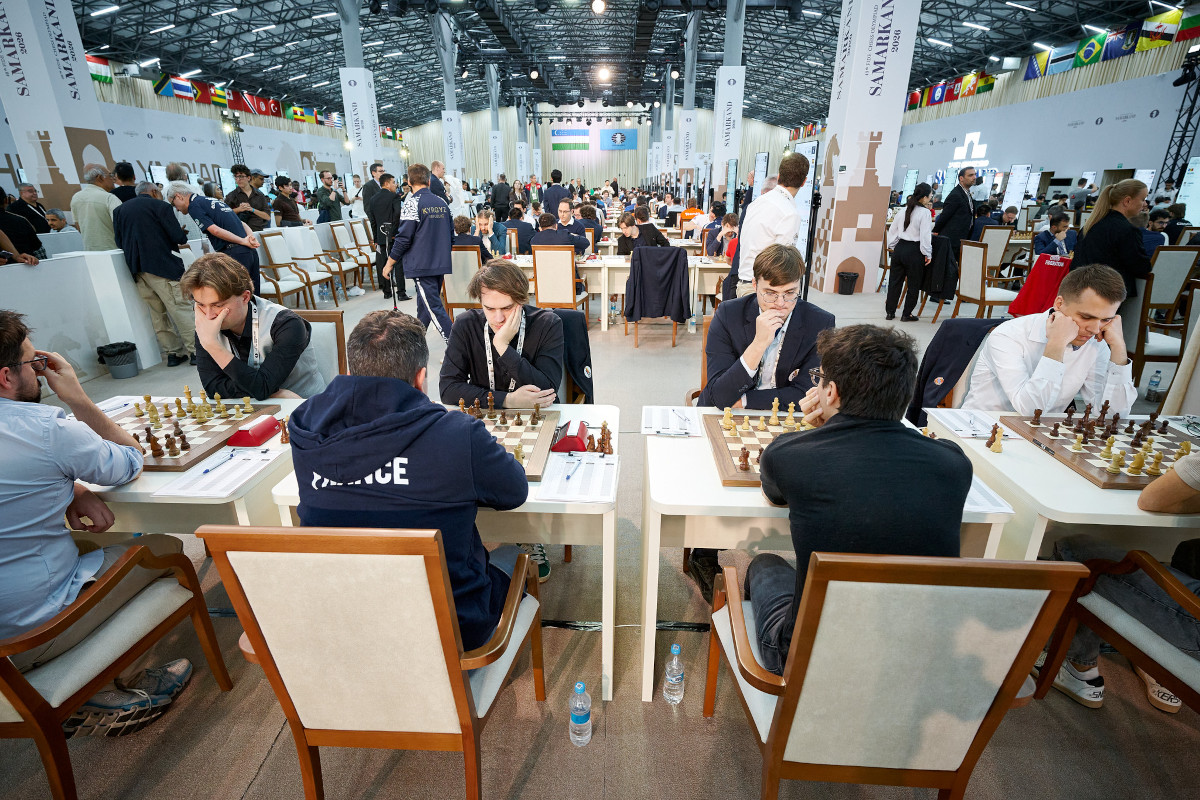
Vincent Keymer, Matthias Blübaum, Frederik Svane and Rasmus Svane representing Germany in their round-ten match against France in Samarkand (a 3-1 victory with wins by the Svane brothers on the bottom boards) | Photo: Rafal Oleksiewicz / FIDE
There is also a historical link to Thuringia. When Germany won silver in Istanbul in 2000, its most recent medal until now, grandmaster Thomas Luther was one of the players at the board. Twenty-six years later, he is there again. As head of the relevant FIDE commission, the Erfurt-born grandmaster oversees the Para Chess Olympiad in Samarkand, held alongside the main Olympiad for the first time. At the same time, he watches a new German generation reach the podium - with players, some of whom had not even been born when he helped win silver.
The latest success is likely to have an impact far beyond the sporting result. The Olympiad counts as a so-called target event for German federal funding. Finishing among the world's top three could improve chess' ranking and bring in additional funding of around 120,000 euros per year.
And the next talents are already sitting at the board. Among the most promising is 14-year-old Christian Glöckler. He was discovered and guided to the top by Erfurt grandmaster Thomas Pähtz, who was part of East Germany's Olympiad team in 1988. Vökler, meanwhile, is driving Germany's bid to host the 2028 World Junior Championship in Bad Blankenburg. If the bid succeeds, talents such as Glöckler could be given a major stage in front of a home crowd.
The bronze medal therefore tells a story not only of five grandmasters and two remarkable weeks in Uzbekistan. It also tells of decisions taken when some of these players were still children. And of youth development whose rewards in chess often become visible only several moves later.
Many people played a part in the success in Samarkand. But an important part of its story begins in Thuringia - with Bernd Vökler's bold idea. And, Rasmus Svane might add, a little with the raspberry spritzer from Bad Blankenburg.
Pattern recognition is an important tool in modern chess, as it helps you to understand better the characteristics of a position. Particularly when you have been confronted with a surprise opening system played by your opponent, it helps when you can just
















.png)