Against digital isolation
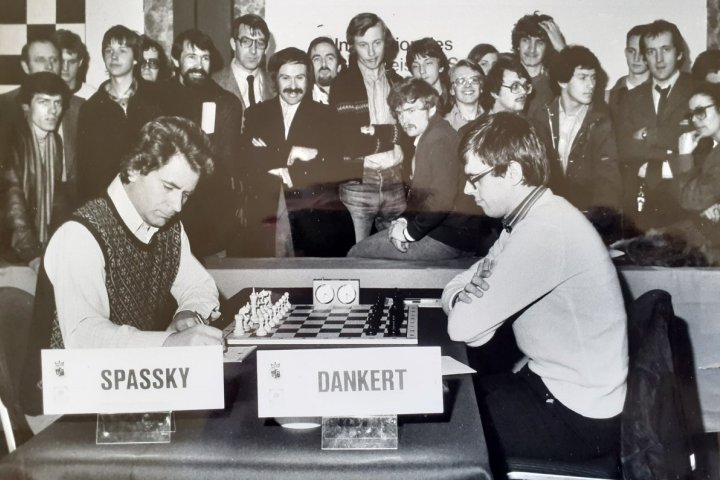
In earlier times, chess culture was widespread in many countries. People sat together in cafés, talked about the affairs of the world and played chess at the same time. Some academic careers, admittedly, came to an early end because of constant visits to chess cafés, and the Nobel Prizes later went to others. If the chess cafés happened to be closed, or if the players had been thrown out because they were always too loud and ordered too little, they simply met in private instead, preferably in groups.
Of course, they played blitz. In a group, they could organise small tournaments or make sarcastic comments from the sidelines about the moves being played. As everyone knows, you can always see more from the outside. The longer the evening went on, the more unpredictable and exciting the games became. The steady consumption of stimulating drinks increased the fun factor - but also the element of chance. There was no tournament silence, but there was Slade or some other loud musical racket instead. People could spend decades retelling the stories of their brilliant combinations. Lifelong friendships were formed.
 Glorious sacrifices, unexpected tactics and checkmating attacks. The King's Gambit is one of the oldest and most romantic openings in the game of chess. These DVDs contain all you need to know to play the King's Gambit.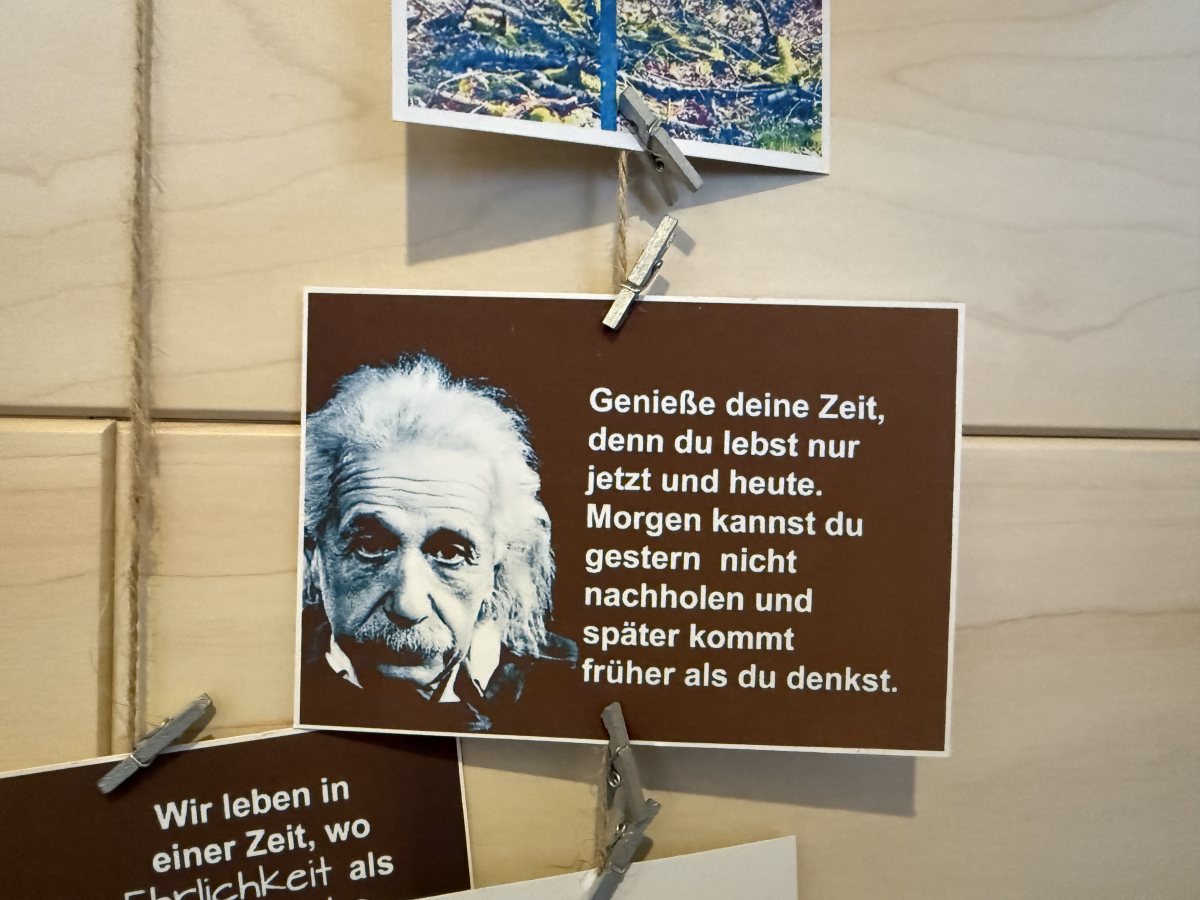
"Enjoy your time, for you only live in the here and now. Tomorrow you cannot make up for yesterday, and later comes sooner than you think."
And then the internet was invented. Now you can play blitz anytime and anywhere. And against anyone in the world. That is, of course, a wonderful thing. You no longer have to go to a chess café to play blitz, nor to a blitz tournament at the club... Chess, however, became a rather anonymous affair. You do not see your online opponent, you do not know where they live, you do not know their name. The usernames are anonymous. You cannot talk about the game either. No time, next game. All the games are recorded digitally. But who needs that? Where is the chess culture?
A seasoned chess aficionado from Hamburg - who prefers not to be named - has now come up with a fine idea. In memory of the good old days, he organised a private chess tournament, just like in the past.
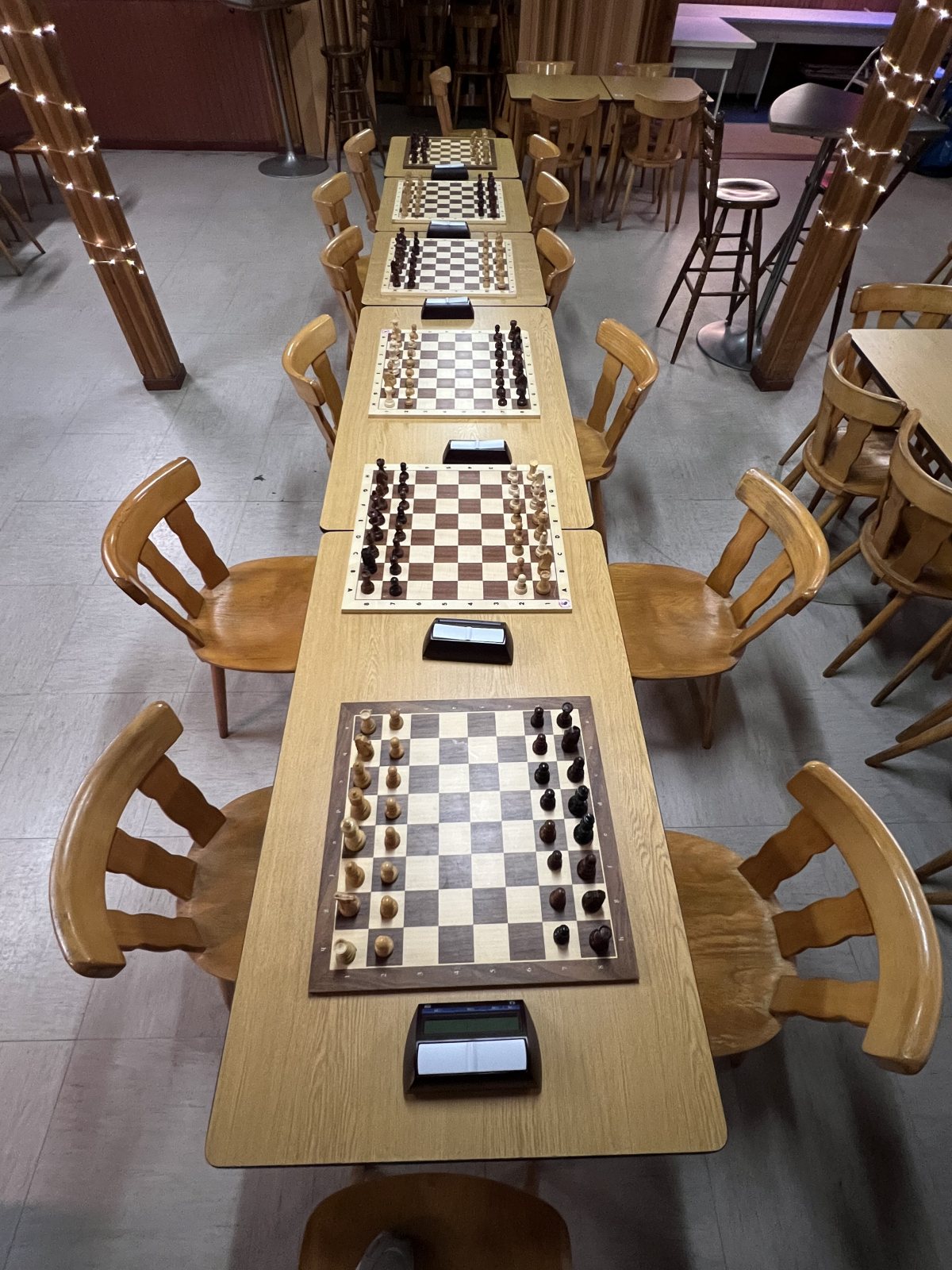
He invited all the chess friends with whom he had met for sociable blitz chess since his youth along his journey through life in northern Germany. In Hamburg-Stellingen, he found a suitable venue for the event. The formerly young players gladly accepted the invitation. Almost 40 chess enthusiasts came together, including even a few who had never known life without the internet and mobile phones.
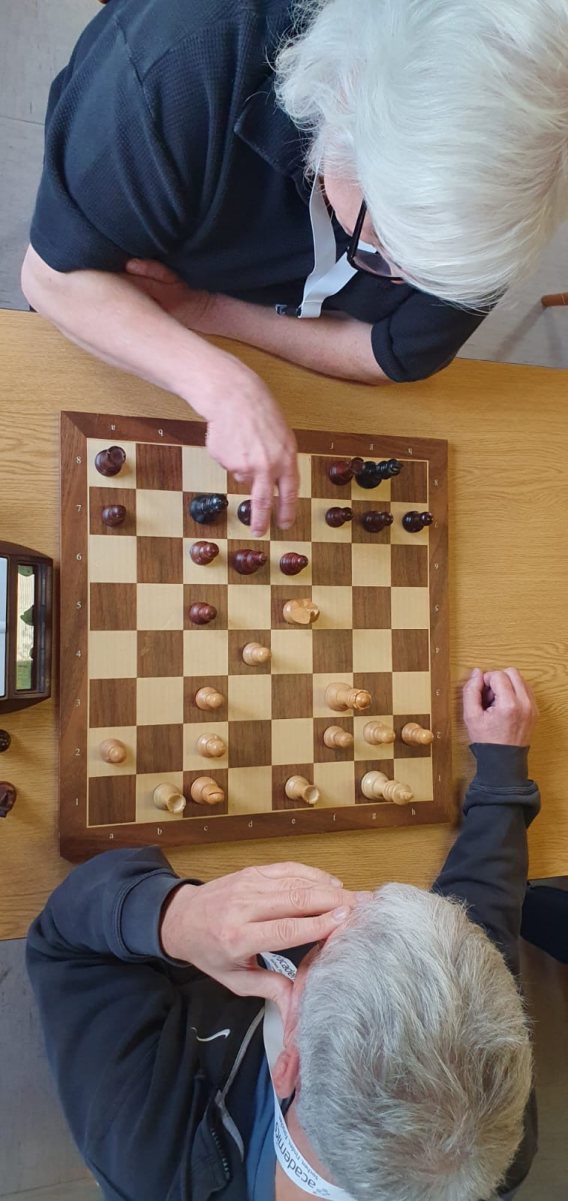
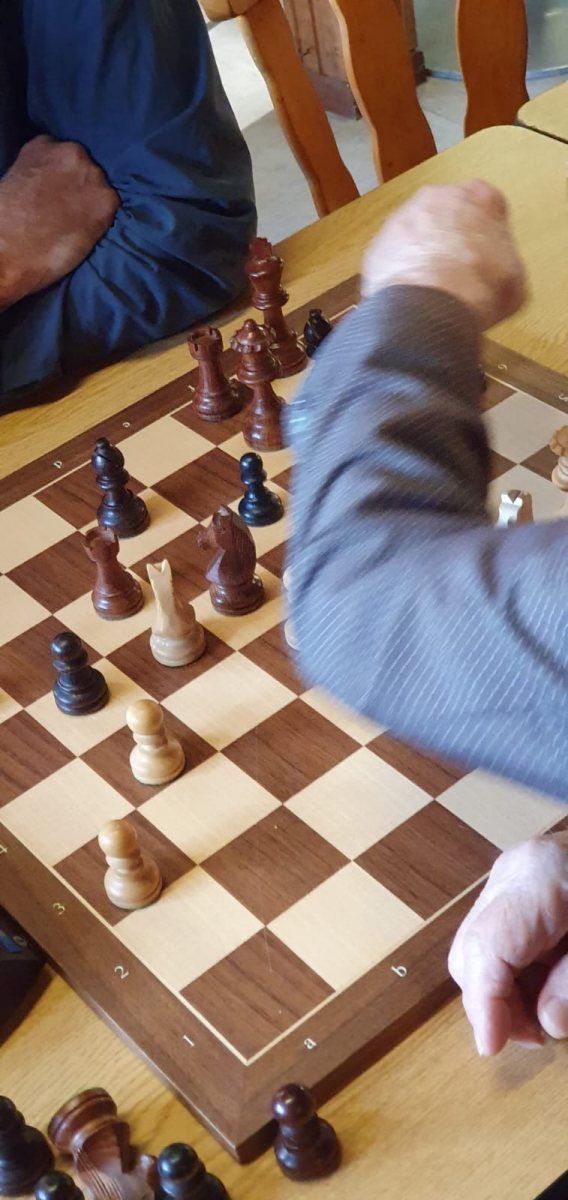
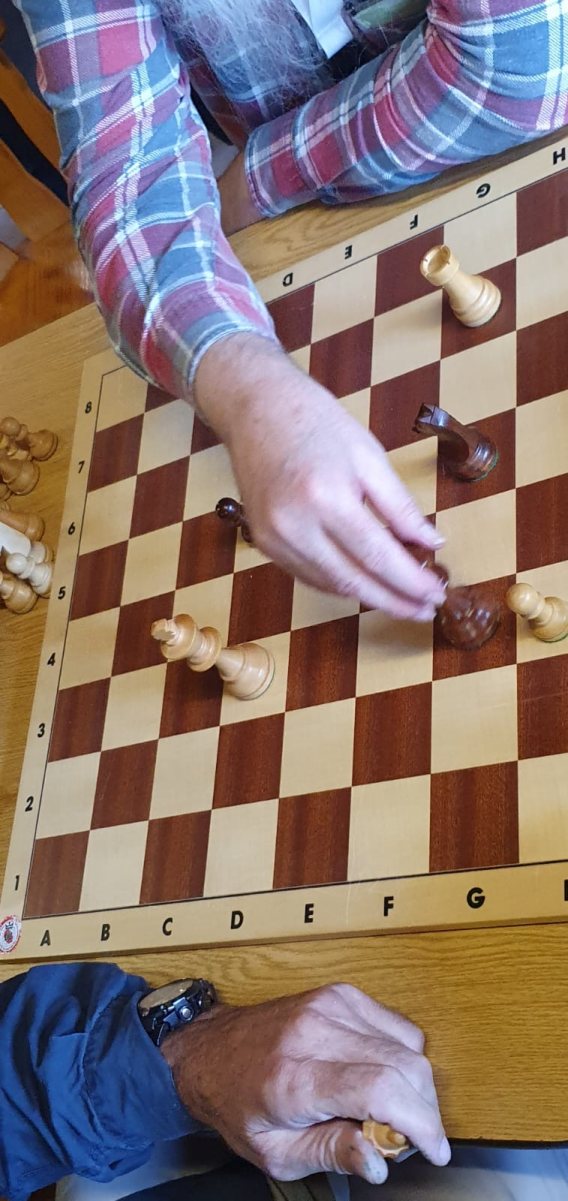
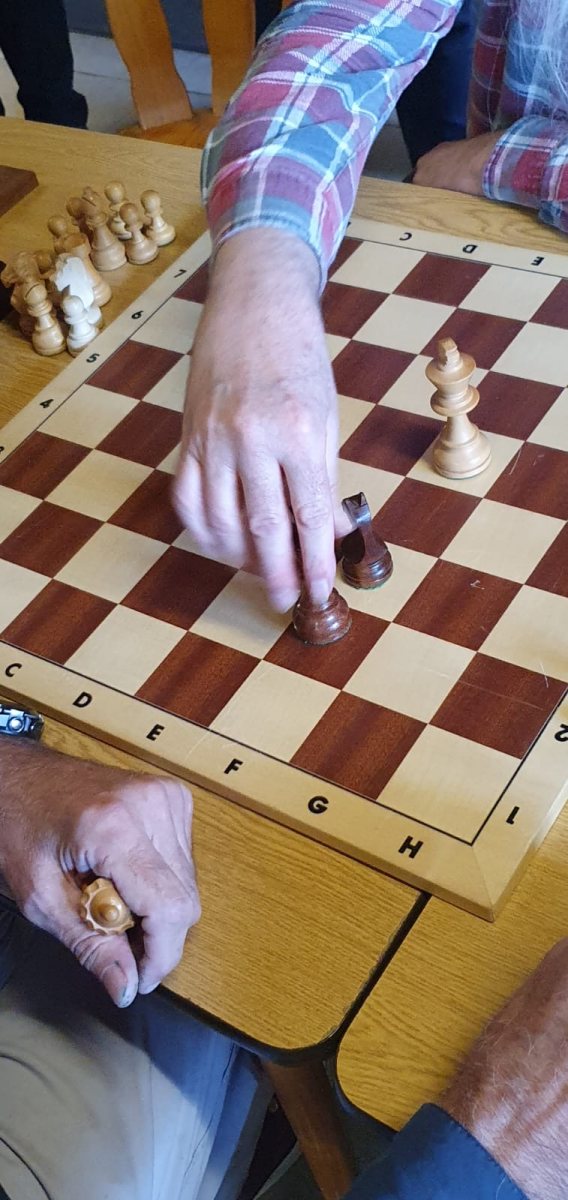
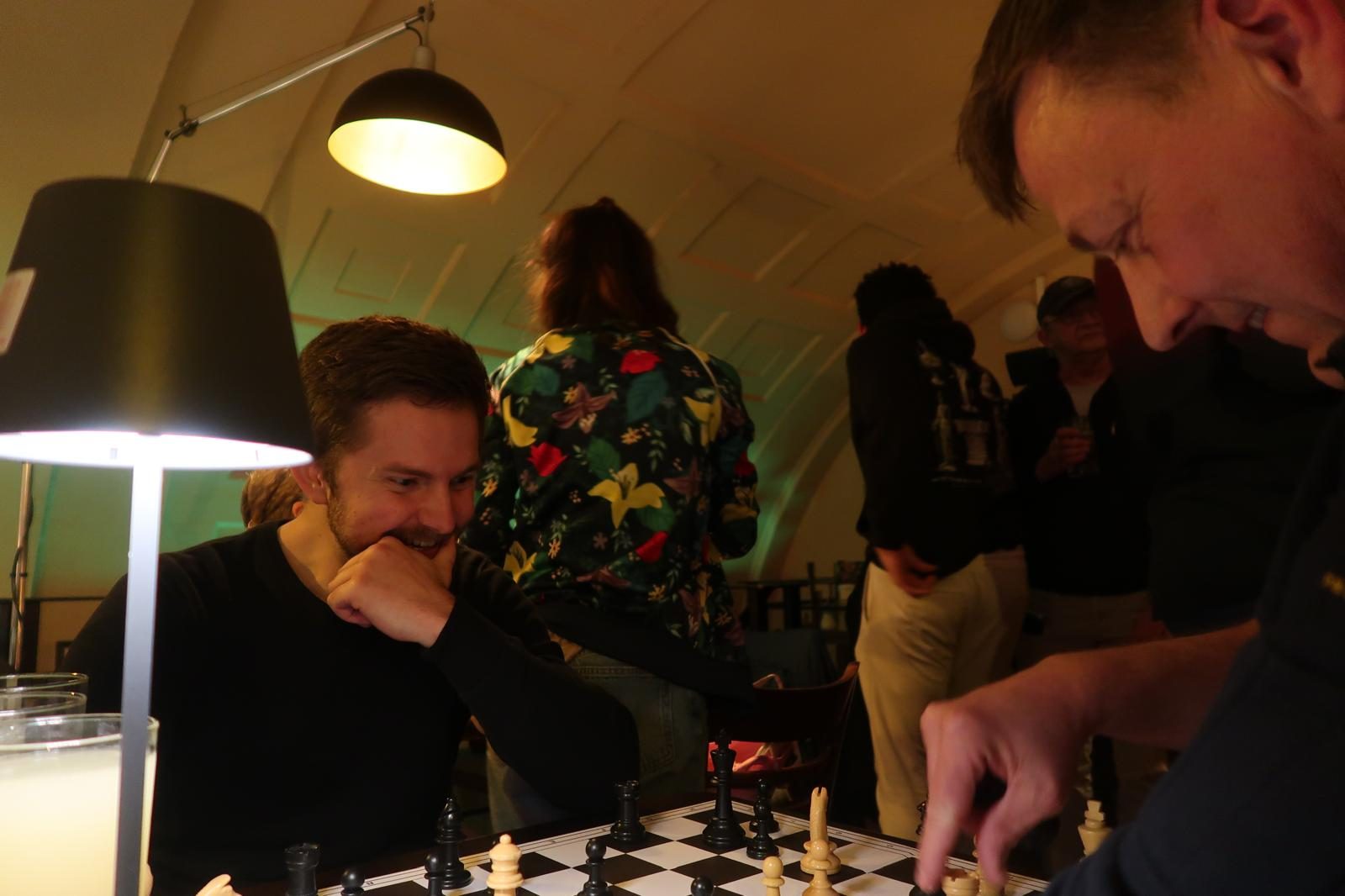
As the event was private, the pictures here could only be taken with a hidden camera - but at least they could be taken. The tension in the games is palpable.
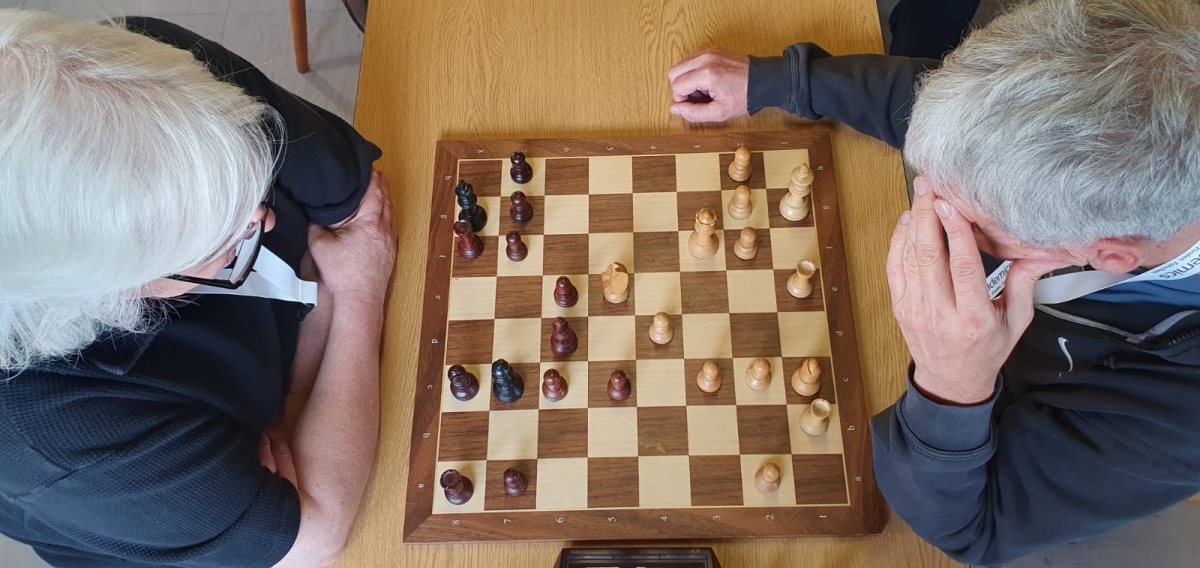
The tournament was held under the motto "The 12 Hours of Stellingen" - in other words, a blitz chess marathon, "From Dusk till Dawn", so to speak. It began in the early afternoon, in classic fashion: with preliminary rounds and a sliding-board system. The player at the head of the table records the result and turns the board around.
 The Benko Gambit is back at the very highest level - and it's easy to see why. Black sacrifices a pawn to seize the initiative on the queenside, obtaining long-lasting pressure, active pieces and open files that make life difficult for White.
In modern chess, activity has become one of the most prized ressources of all. Engines have taught us again and again that active piece play, the initiative and dynamic pressure can more than compensate for small material or structural concessions. The Benko Gambit fits this philosophy perfectly. By giving up a pawn early, Black immediately gets exactly what the modern player is looking for: open lines, harmonious development and relentless, long-term pressure on White's queenside. It's a genuine fighting opening, ideal for players who don't want to drift into the quiet, slow-maneuvering waters that 1.d4 so often leads to, but instead prefer to seize the initiative and steer the game into sharp, dynamic and double-edged territory.
Free sample video: Introduction
Free sample chapter: Alternatives Move 3
It was not entirely retro, however. Modern digital chess clocks made a time control of 3+2 possible. That did not exist in the old days, only analogue clocks, which were sometimes given quite a pounding in blitz because the buttons on top used to stick.
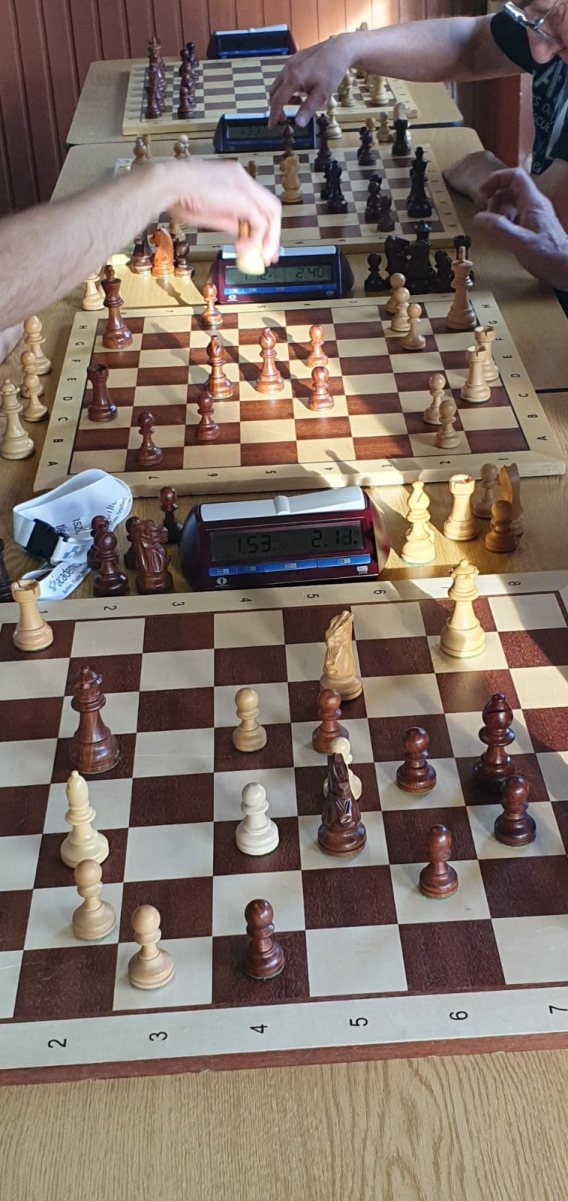
There was music again too. Slade also got an airing. The private tournament was better organised than many an official event. There were breaks in between, cake and later soup. Coffee pots were available to help maintain alertness, at least at the beginning. After nightfall, the participants moved on to more cheerful drinks.
The official tournament had already finished at around eleven o'clock, but the intended marathon time target had not yet been reached. For the prize winners, the mysterious organiser had put together some worthy prizes from his own collection. Full of anticipation, he had personally painted the winner's trophy with real gold paint.
 The King‘s Indian Attack is a universal opening: easy to learn, flexible, and rich in both tactical and positional opportunities.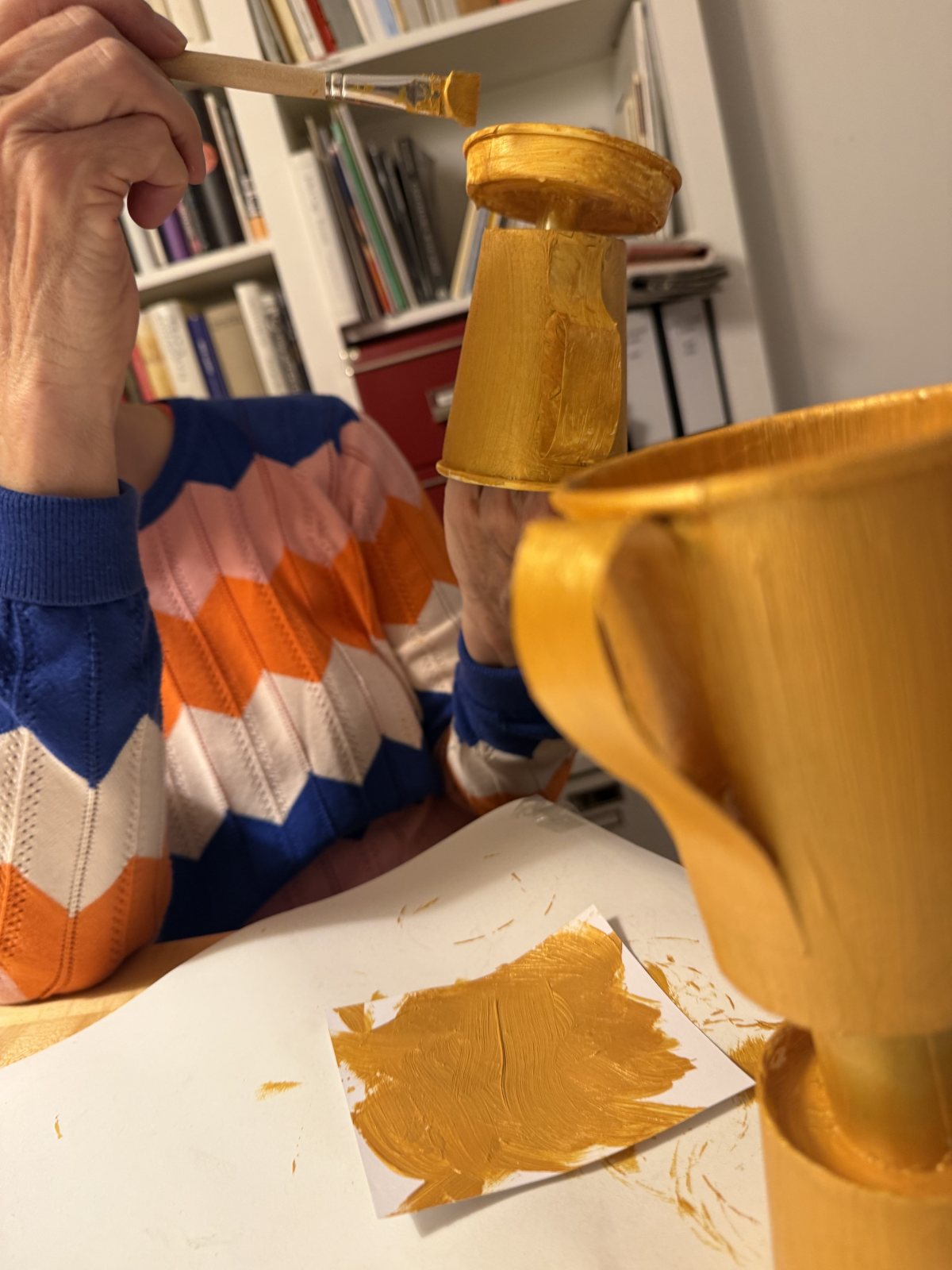
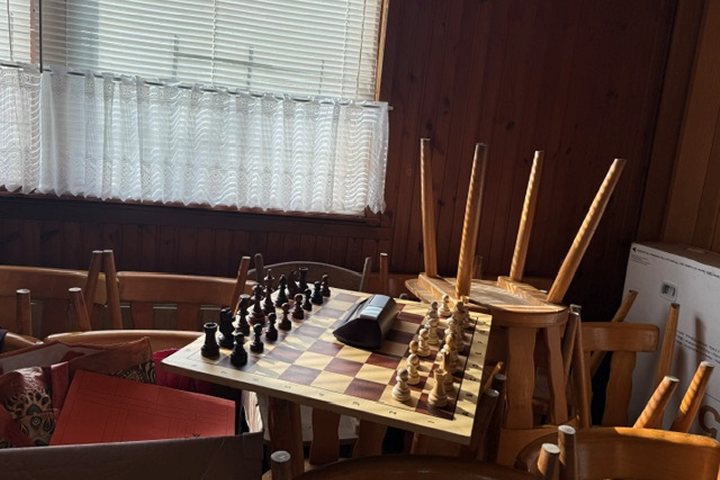
Tournament preparations
After the official tournament ended, the chess friends switched to casual blitz. By around one o'clock, only the hard core remained, though that still amounted to a quarter of the original field. Then someone suggested that the remaining players should play a proper blitz tournament. And so they did.
A highly recommended activity for others to try!
Smyslov cultivated a clear positional style and even in sharp tactical positions often relied more on his intuition than on concrete calculation of variations. Let our authors introduce you into the world of Vasily Smyslov.