



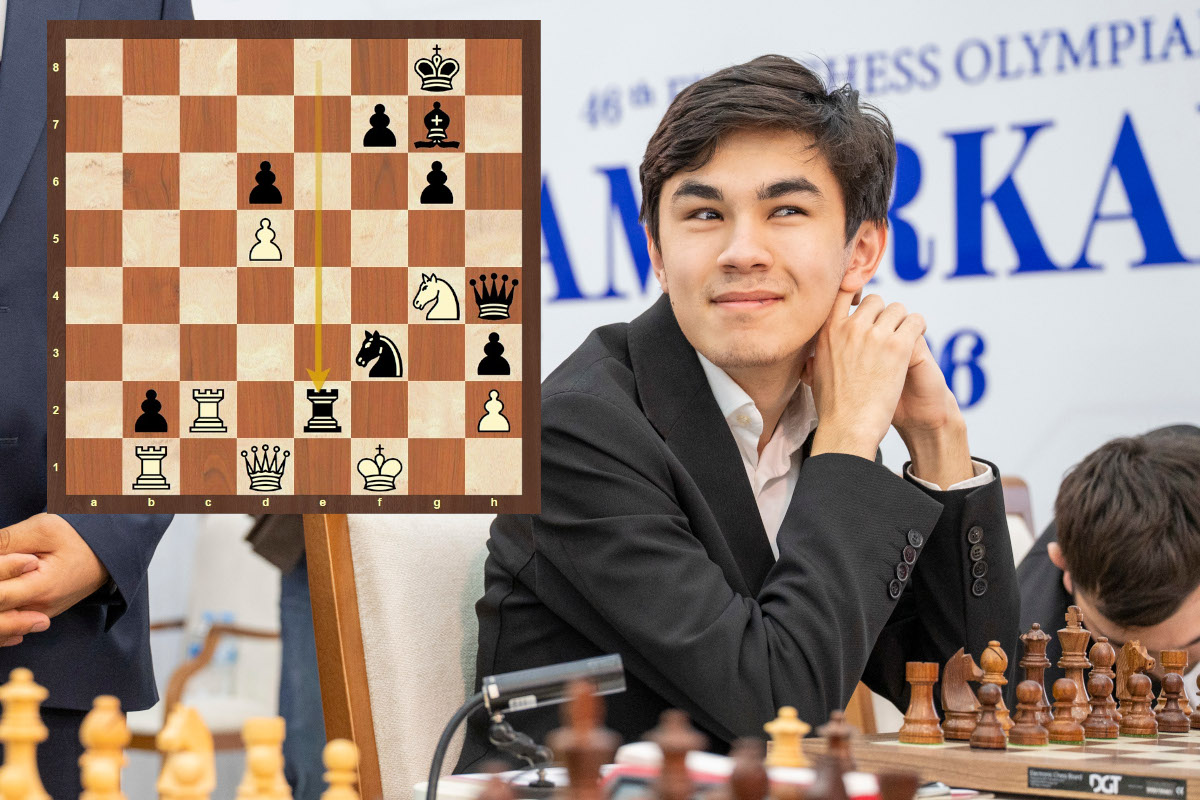

[Note that Jon Speelman also looks at the content of the article in video format, here embedded at the end of the article.]
It's now only just over three weeks before the World Championship gets underway in Geneva. The challenger Javokhir Sindarov must surely be the favourite on recent form but top-class matchplay creates a microcosm separate from normal life, and I'm sure that Gukesh Dommaraju will defend his title ferociously.
Fourteen games is a good number though nothing like the twenty-four which were standard when I was young. It obviously gives them both seven Whites to work with and seven Blacks to navigate. And this affords them some latitude as White in identifying a target but considerably less than for example in the twenty-game Kasparov v. Anand in 1995 (when I was a second): in which it wasn't until his fifth White in game ten that Kasparov finally scored a goal, with a thunderous victory against Anand's Open Spanish (in the game after Anand had broken through himself against Kasparov's Sicilian Scheveningen).
Over the remaining weeks, the two players will presumably be checking their analysis with their helpers human and silicon, very possibly playing some training games behind closed doors, and making sure that they are in peak physical condition for when battle commences.
World Championship matches are always a mouthwatering prospect and I, for one, am certainly looking forward to it. I do agree with almost everybody else that Sindarov is likely to prevail and one of the main reasons is that if he falls behind, then I think he will likely be able to right the ship whereas if Gukesh starts badly then the burden of recent form may make this much harder.
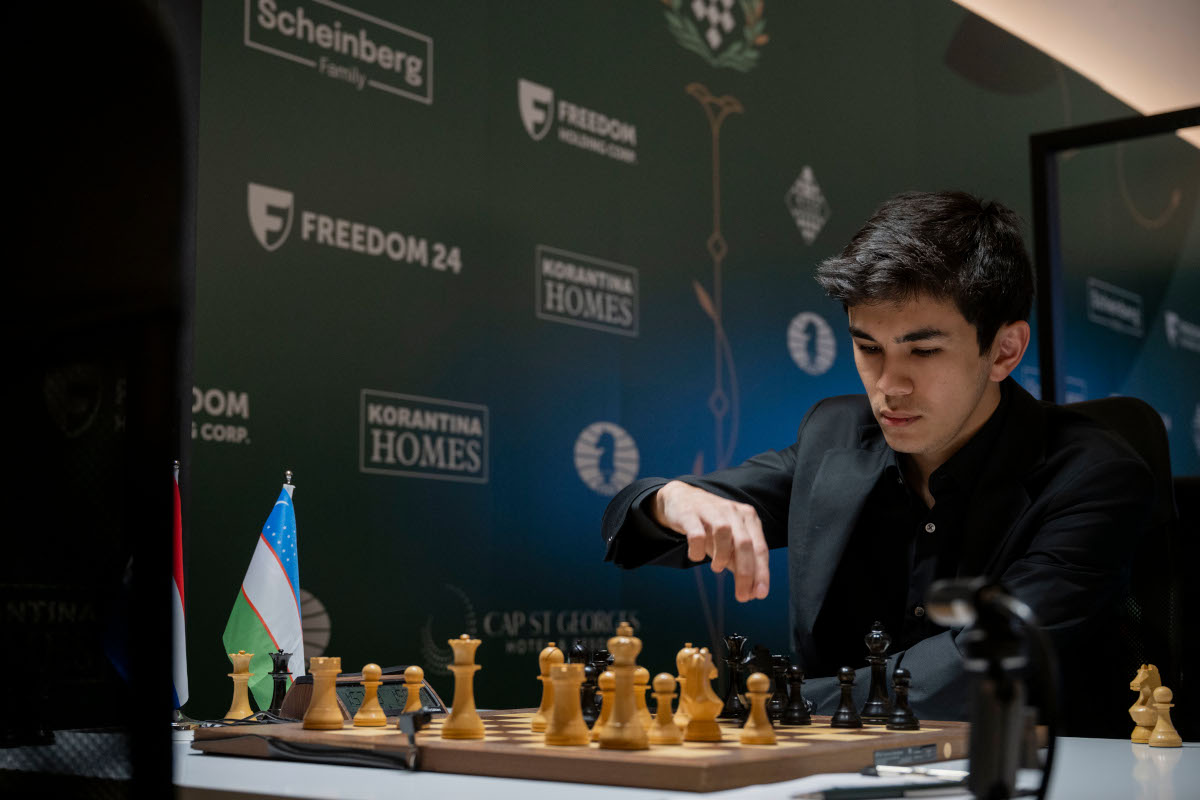
Javokhir Sindarov qualified for the World Championship match by winning the Candidates Tournament in Cyprus earlier this year | Photo: Nils Rohde / ChessBase
Sindarov's final public outing before the match (I suppose he may also play some first Tuesday Blitz or something just to keep his fingers warm) was of course in the Clutch Chess Champions Showdown in St. Louis, Missouri.
One of the various new formats which have appeared in recent years, this involves the stakes and prize money increasing during the event and Sindarov played his best game at the very last. Of course his victory against Hikaru Nakamura has appeared here already and all over the globe. But I thought I'd revisit it not so much to do exact analysis but as a stream of consciousness - after all it was either a quick rapidplay game or a slow blitz one - and to consider how Sindarov's choices in St. Louis might impact on the forthcoming match, if at all.
It was the great Misha Tal who pointed out that when you are attacking, they can only capture one piece at a time and the Nakamura v. Sindarov game had something of that about it as he piled units into the action. Top players may present themselves as playing dryly and positionally but when pressed they can usually "hack" either legitimately or in "swindle mode". Or, as Artur Yusupov used to put it, "go Yahoo".
Both Gukesh and Sindarov are brilliant tacticians so let's hope that even under the almost intolerable strain of the match they are able to give us fierce fighting games. Once unleashed, that calm reasonable positional player Yusupov can transform himself into a monster and one of the great attacking battles was the first rapidplay tiebreak in his 1991 Candidates match with the great Vasyl - or Vassily, as he normally was then - Ivanchuk, who incidentally is in the field for this year's London Classic.
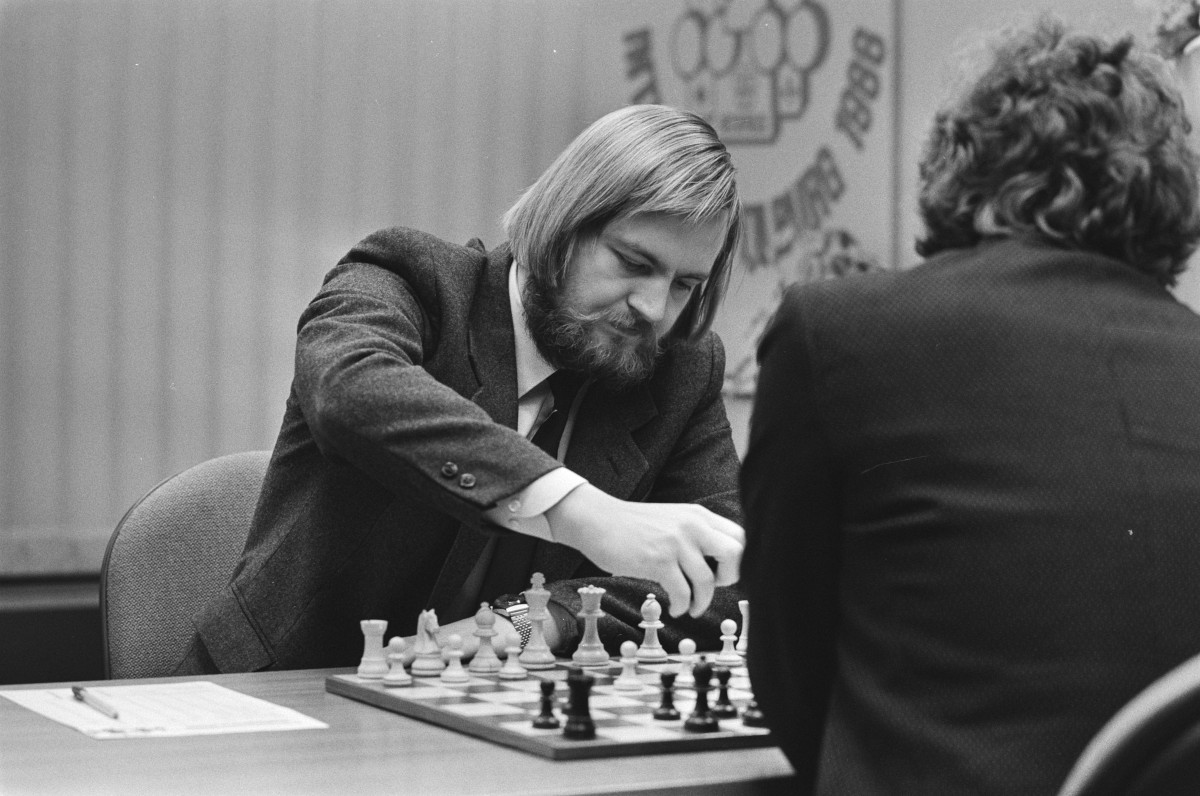
Artur Yusupov at the 1986 Candidates quarterfinal match against Jan Timman in Tilburg | Photo: Rob Bogaerts / Anefo
I hope that the World Championship match really does provide us with a mouth-watering spectacle. And see you again in December, when the column is due for the 6th.
Select an entry from the list to switch between games


| Advertising |











.jpeg)
