Discombobulating opening surprises
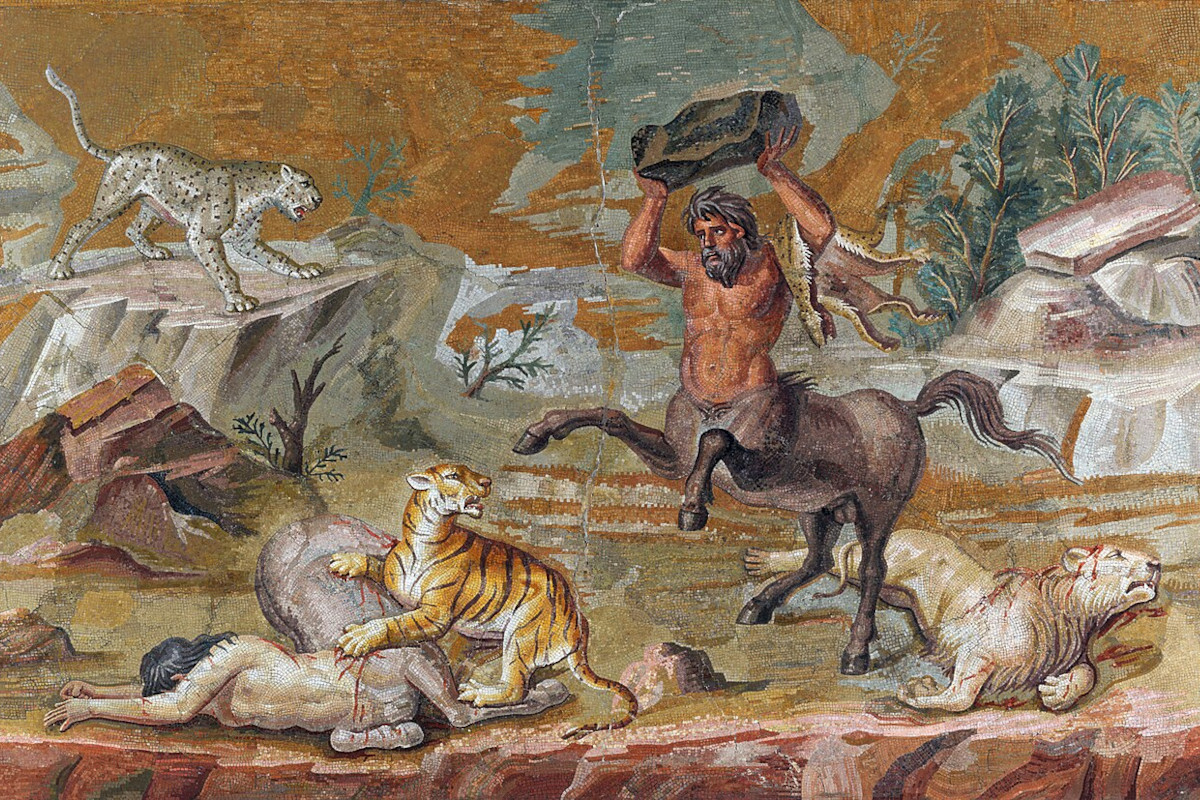
One topic I often come back to here is opening preparation in the age of the computer and the consternation caused when the opponent manages to catch you in the grip of a "centaur" - their collaboration with a chess engine.
Of course sometimes it is a human idea which you then examine with the machine's help, but sometimes it is simply an idea of the machine itself.
The latter can be particularly discombobulating because they produce moves which people really wouldn't think of - I suppose that since they are the "horsey" part of the creature, it is their hooves that do the damage.
I'm revisiting some old chestnuts today but starting with a game played last month in the final of the Grand Chess Tour, in which Fabiano Caruana uncorked a novelty which - at least to my human eyes - was very surprising even if it may not be if you think logically. Can you guess what Caruana and his minions had prepared?
 You will learn how Black's dynamic piece activity and structural counterplay more than compensate for White's extra tempo in the colour-reversed setups.
The Benoni family of openings has toppled world champions, decided match games under the highest pressure, and rewarded those brave enough to play them with some of the most electrifying chess imaginable. In this Fritztrainer, Grandmaster Ivan Sokolov - continuing his successful series "Understanding Middlegame Structures" - takes you deep inside the complexities of the Colour-Reversed Benoni, the Colour-Reversed Benko Gambit, and the Colour-Reversed Blumenfeld Gambit.
Free sample video: Introduction
Free sample video: Colour Reversed Banoni - Game 1
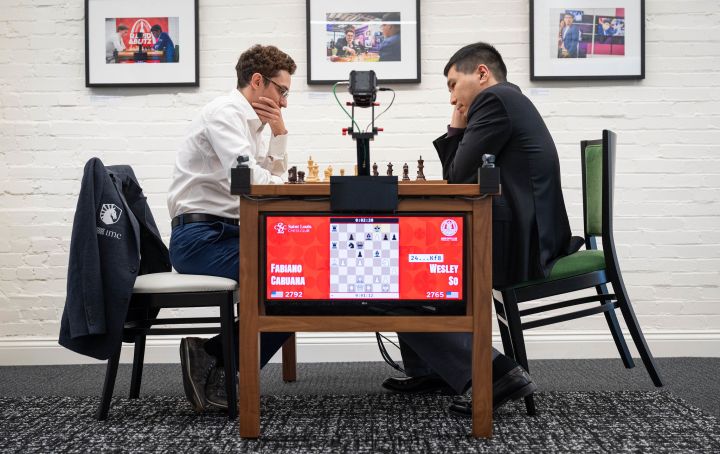
Fabiano Caruana facing Wesley So at the recent Grand Chess Tour Finals in Saint Louis | Photo: Lennart Ootes / Saint Louis Chess Club
There are so many examples of opening surprises, deadly and otherwise. For my first I'm going to one which I may have used fairly recently in which Hikaru Nakamura (and friends?) played a ferocious novelty against Sergei Karjakin.
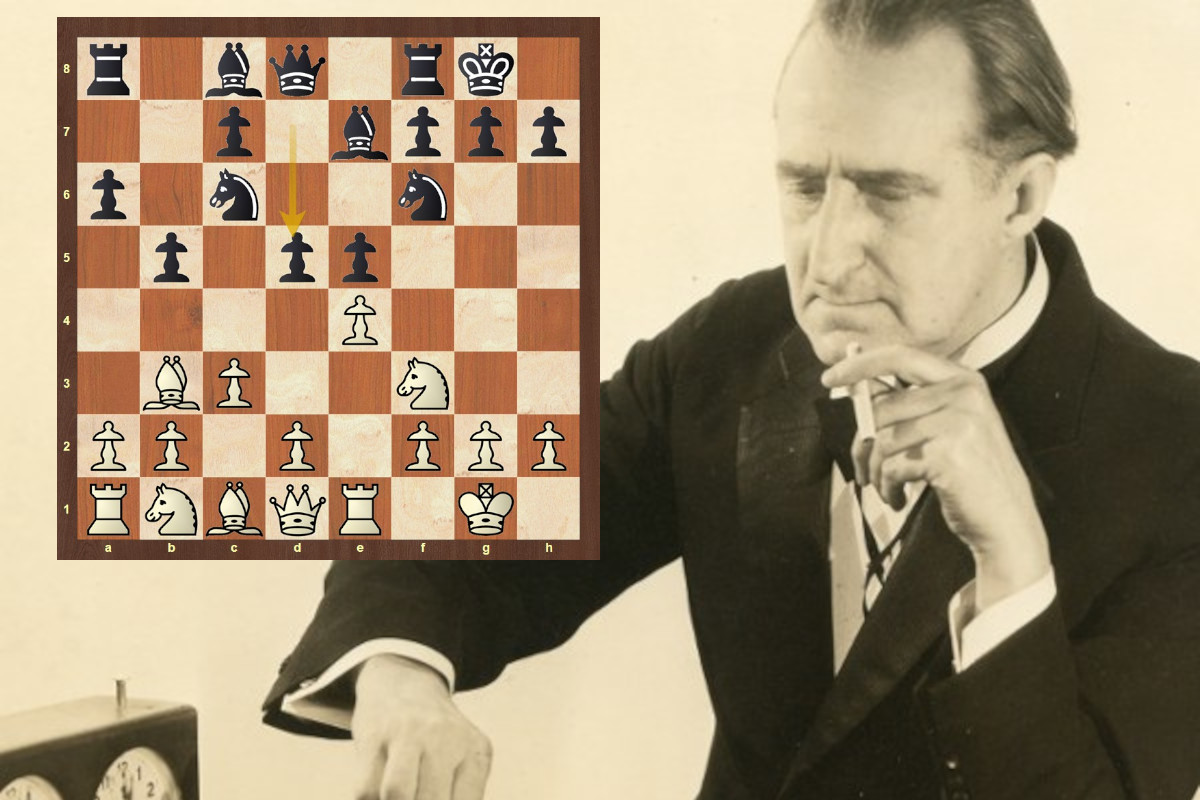
And I'm finishing with the granddaddy of them all: Frank Marshall's Gambit (or Attack if you prefer), which the American introduced against José Raoul Capablanca with very high hopes in New York 1918 - but lost with even so.
(Normally I would have made a video but nice MRXSplit is demanding that I use one of their standard log-in methods – i.e. Google, Apple or Microsoft - rather than my normal email which I've always used before and my account is tied to. How tremendously helpful!)
Select an entry from the list to switch between games
In this video course experts examine the games of Bent Larsen. Let them show you which openings Larsen chose, where his strength in middlegames were, how he outplayed his opponents in the endgame & you’ll get a glimpse of his tactical abilities!
Bent Larsen (1935–2010) was the greatest chess player in Danish history, and for a time, the second-strongest player in the Western world behind Bobby Fischer. Between 1954 and 1971, he won the Danish Championship six times, and achieved numerous international tournament victories throughout his career.
Free video sample: Introduction to Bent Larsen by Peter Heine Nielsen
Free video sample: Introduction to the Opening Section
Links















.jpeg)