A twelve-player knockout
On 9 October, the Shenzhen Nanshan International Chess Masters 2026 began at the Qiuxian Pavilion in Shenzhen. The tournament was supported by the Chess and Card Games Administrative Centre of China's General Administration of Sport, the Chinese Chess Association, and the Culture, Tourism and Sports Bureaux of Nanshan District and the city of Shenzhen. The competition was organised by the Shenzhen Chess Academy and the Shenzhen Chess Association.
 In this course, IM Nico Zwirs presents the Reversed Sicilian as a powerful and practical weapon for White
In this course, IM Nico Zwirs presents the Reversed Sicilian as a powerful and practical weapon for White. The core idea is simple: players who already play the Sicilian with Black can leverage their existing knowledge to build a dynamic and effective setup with White.
Free video sample: Introduction
Free video sample: 2.d3 Sidelines

Twelve players competed in a rapid knockout tournament. Each match consisted of four rapid games (15 min. + 10 sec.). If the score was level after four games, a tiebreak with two blitz games (3 min. + 2 sec.) followed. If the score was still level, a deciding game was played with 5 minutes for White and 4 minutes for Black, with a 2-second increment after move 60. A draw was sufficient for Black to be declared the match winner.
Top grandmasters Ding Liren, Yu Yangyi, Wang Hao and Xu Xiangyu were seeded directly into the main tournament. The remaining eight players, all talents born after 2000, competed in a preliminary event. The top four from this stage - Asian champion Kong Xiangrui, Xiao Tong, Huang Renjie and Meng Yihan - qualified for the main tournament.
The other four young players, Peng Xiongjian and Jiang Haochen, as well as the two female players, Zhu Jiner and Yan Tianqi, were eliminated after matches that were in some cases closely contested.
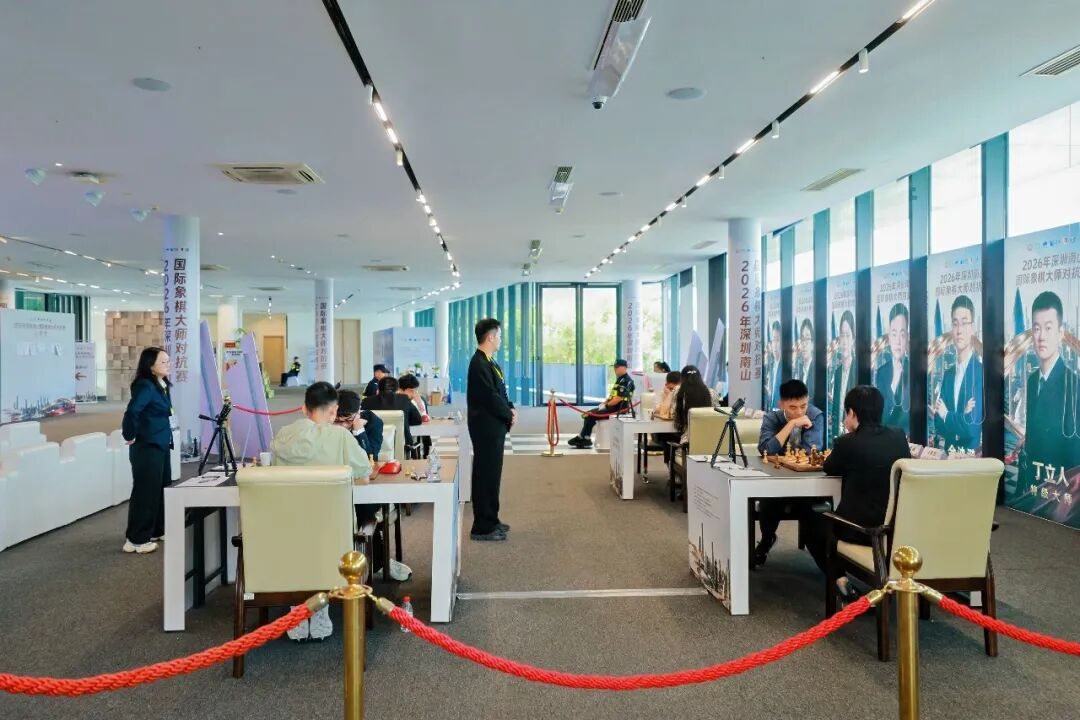
The main stage began on 10 October with the quarterfinals, in which each of the established GMs faced one of the younger talents. The experienced players prevailed in three of the four matches. Kong Xiangrui was the only young player to reach the semifinals.
 You will learn how Black's dynamic piece activity and structural counterplay more than compensate for White's extra tempo in the colour-reversed setups.
The Benoni family of openings has toppled world champions, decided match games under the highest pressure, and rewarded those brave enough to play them with some of the most electrifying chess imaginable. In this Fritztrainer, Grandmaster Ivan Sokolov - continuing his successful series "Understanding Middlegame Structures" - takes you deep inside the complexities of the Colour-Reversed Benoni, the Colour-Reversed Benko Gambit, and the Colour-Reversed Blumenfeld Gambit.
Free sample video: Introduction
Free sample video: Colour Reversed Banoni - Game 1
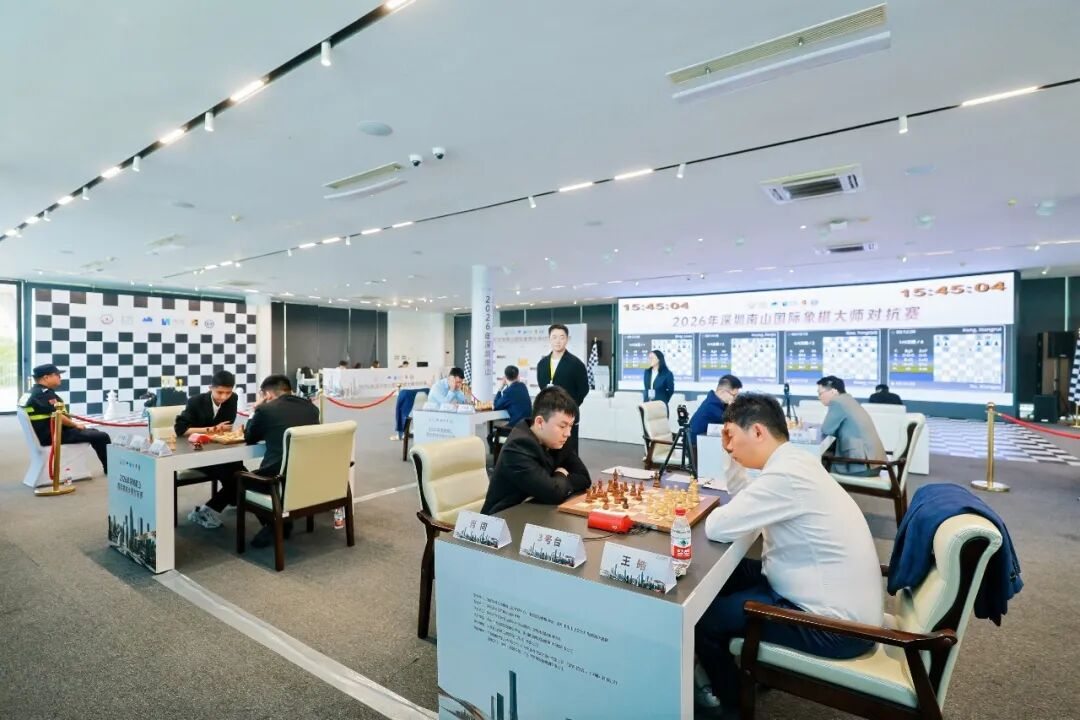
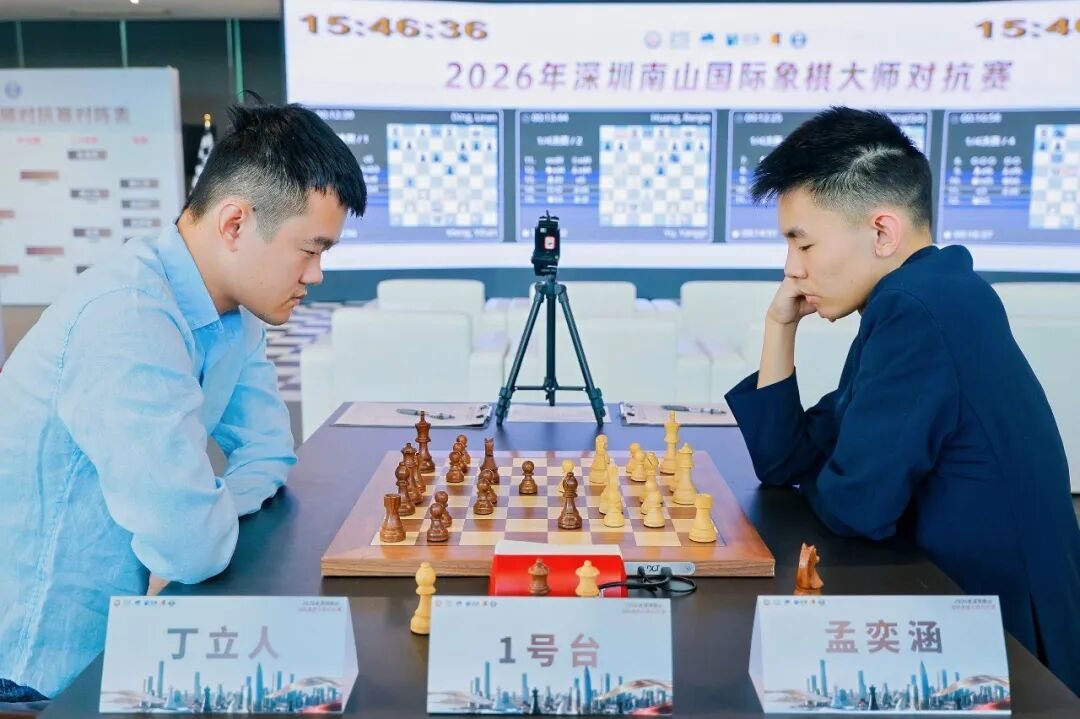
Ding Liren playing black against Meng Yihan
Former world champion Ding Liren defeated Meng Yihan 3-1. Yu Yangyi beat Huang Renjie 2½-½ after only three games. Wang Hao had more difficulty against Xiao Tong. After a draw and a defeat, the favourite was trailing, but managed to level the match in the third game in a must-win situation. With a victory in game four, Wang Hao also reached the semifinals.
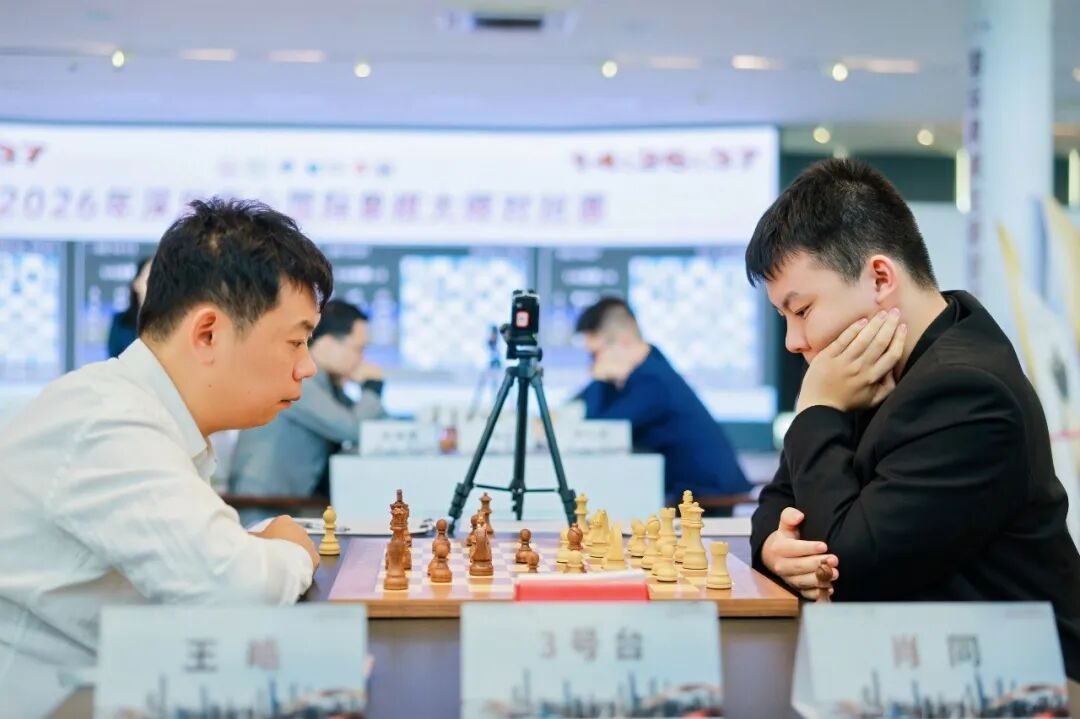
Wang Hao facing Xiao Tong
 In this insightful video course, Grandmaster David Navara shares practical advice on when to calculate deeply in a position — and just as importantly, when not to.
In this insightful video course, Grandmaster David Navara shares practical advice on when to calculate deeply in a position — and just as importantly, when not to.
Free sample video: Introduction
Free sample video: Invisible moves
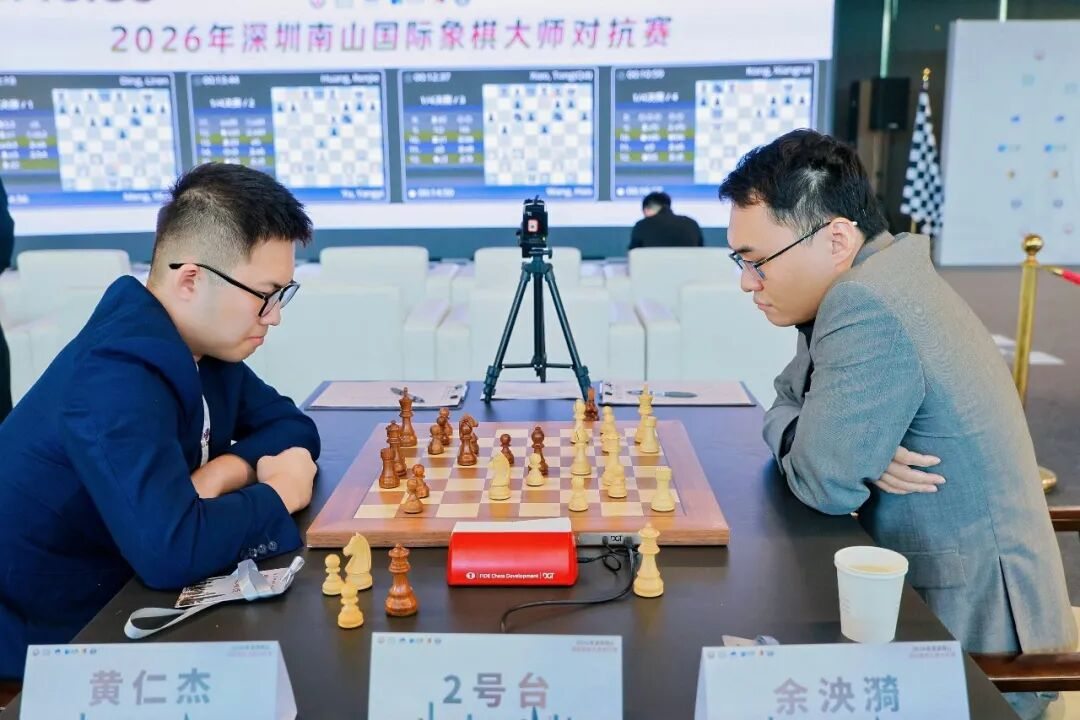
Yu Yangyi playing white against Huang Renjie
The match between Xu Xiangyu and Kong Xiangrui was the only one to go to extra time. The two players won one game each, while the other two games were drawn. Xu Xiangyu lost the second blitz game and was eliminated.
In the semifinals, Ding Liren defeated Kong Xiangrui 2½-½. Yu Yangyi beat Wang Hao after the first two games of their match had ended in draws, winning both remaining rapid encounters to reach the final.
The final between Ding Liren and Yu Yangyi was a closely contested affair that was only decided in the second tiebreak stage. After four draws in the rapid games, each player won one game in the blitz tiebreak. Yu Yangyi then won the Armageddon game with white.
Wang Hao won the match for third place.
All games
Tournament page of the Chinese Chess Association...

















.jpeg)

.jpeg)