
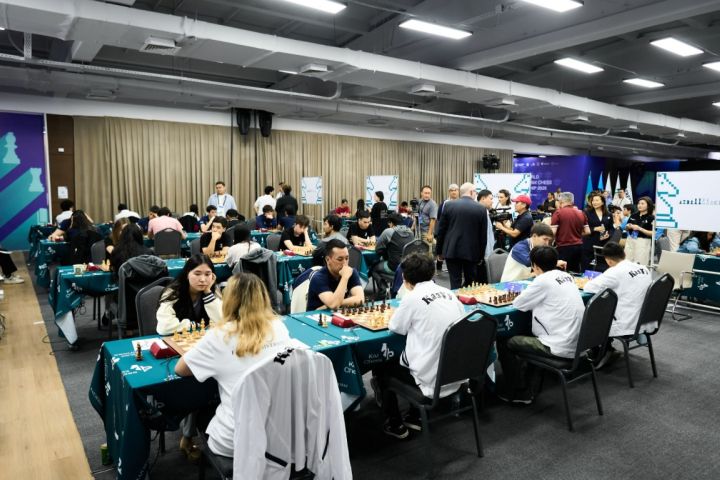

After three days of competition, the following teams secured their places in the knockout stage:
Pool A: Ural State Mining University and Harvard University
Pool B: Saint Louis University and Universidad de Chile
Pool C: The University of Texas at Dallas and National Technical University of Athens
Pool D: Kazakh National University of Sports (KNUS) and Universitas Gunadarma
The quarterfinal pairings are:
The knockout stage promises a series of fascinating encounters. Host nation hopes now rest with KNUS, who will face Harvard University for a place in the semifinals, while tournament favourites Saint Louis University take on the National Technical University of Athens. Ural State Mining University begins its knockout campaign against Universitas Gunadarma, while Universidad de Chile meets the University of Texas at Dallas in another highly anticipated matchup.
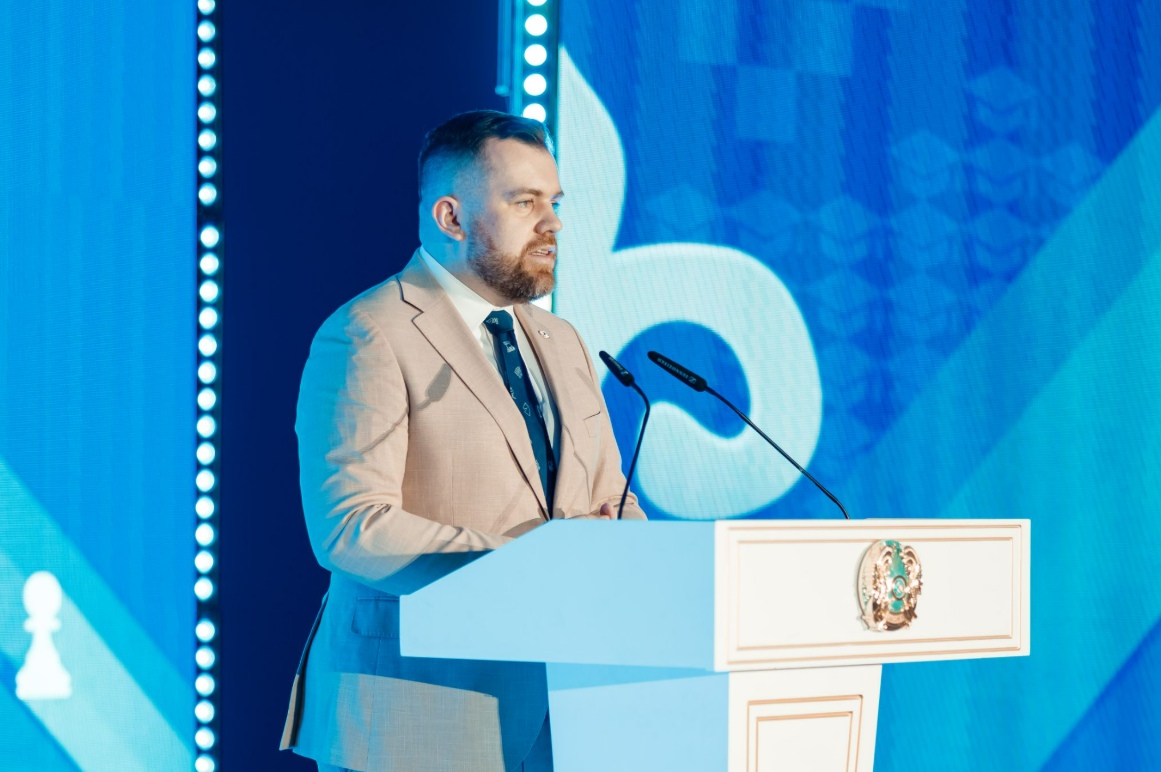
Reflecting on the significance of the championship, FIDE General Secretary Łukasz Turlej emphasized its importance for the future of chess in education.
“We are very happy that after so many events that happened in Kazakhstan over just the last couple of years, we are coming here to Almaty with the World University Team Chess Championships. Very important event, top universities from many different countries, many continents, and this event is one of the most important because in the world of education we have a lot to do with chess.”
He also highlighted the growing recognition of chess beyond the chess community.
“When non-chess people are talking about chess and the implementation of chess in the educational system, this is the moment that we are very proud of.”
While celebrating the progress already made, Turlej stressed that there is still considerable work ahead.
“There is a lot of work to be done. We see that there are so many countries where chess is being developed as a tool in education to build the skills of kids and students.”
He also pointed to university scholarship systems as an increasingly important opportunity for young players.
“If you are a very good chess player, your chances of getting into the university and to get some scholarship are higher and higher. This is an opportunity for chess players to continue their careers both in science and in sport.”
While eight universities celebrated qualification, the championship also fulfilled one of its central missions: bringing together students from around the world through chess and education. Even teams whose campaigns ended in the group stage spoke overwhelmingly about the experience, friendships and lessons they would take home.
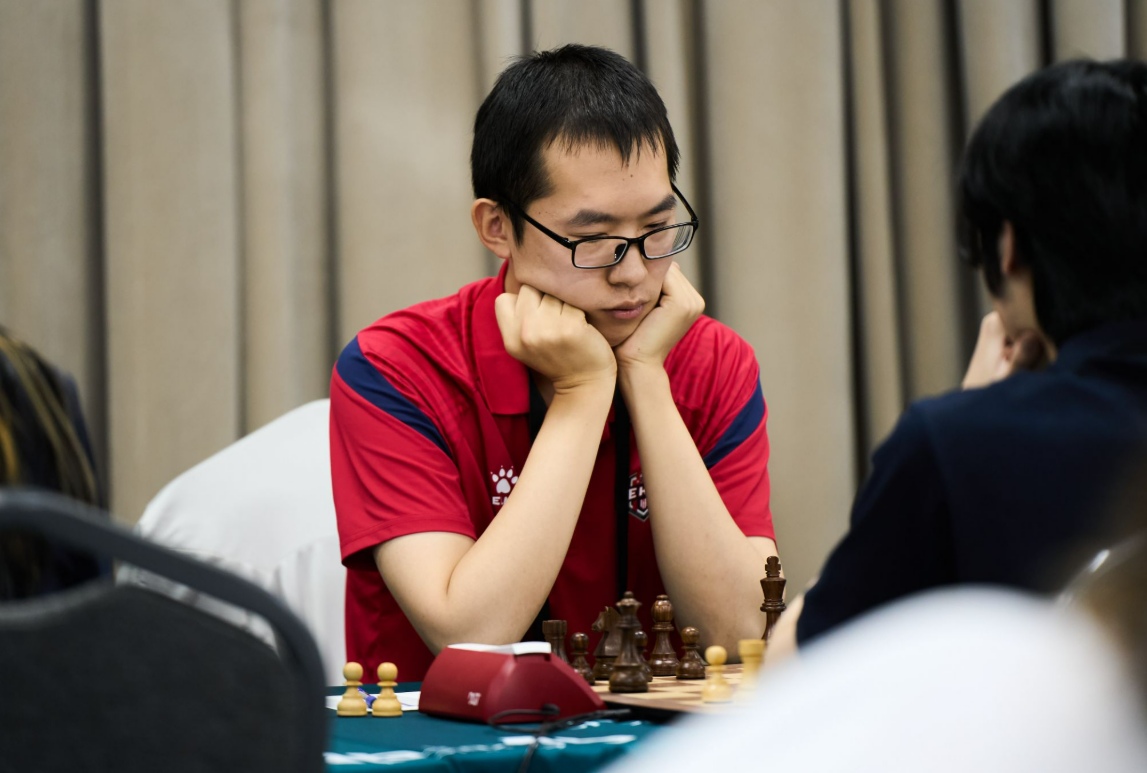
For Peking University, Zechen Li described the championship as a rare opportunity for university players. “It was a very good experience to learn from such strong opponents. For university students, we don’t have many chances to play in a worldwide event.”
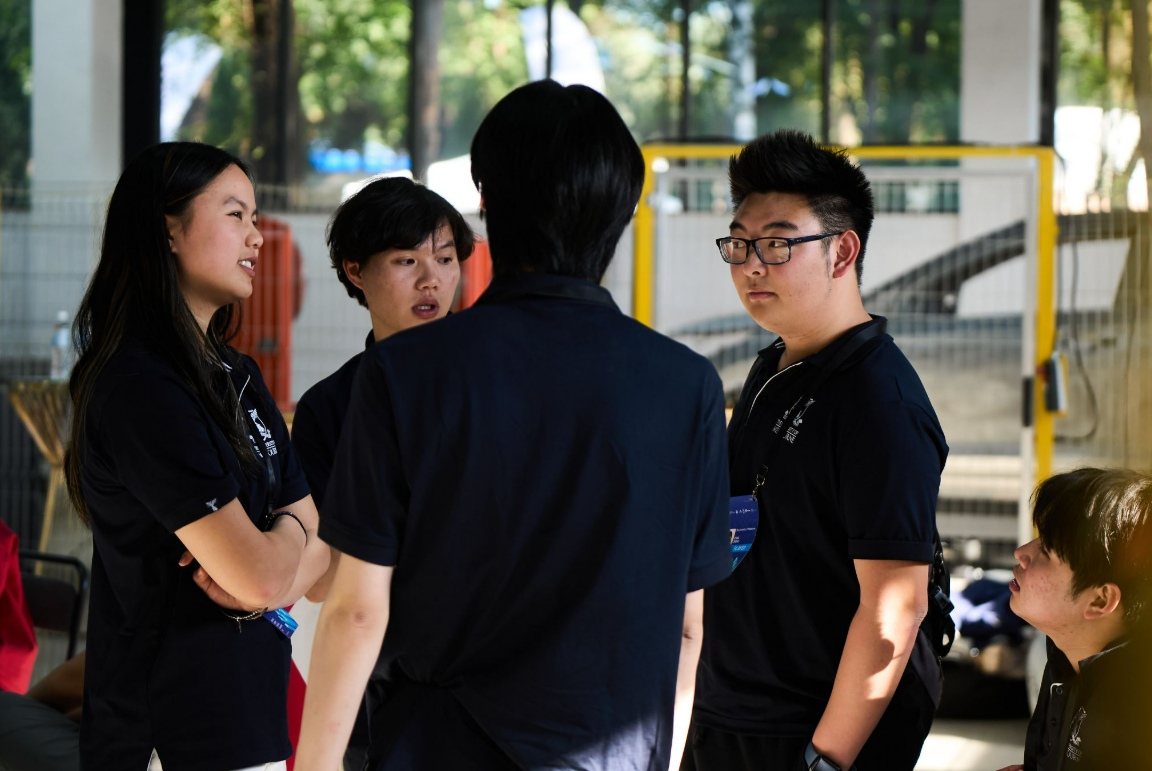
The University of Melbourne delegation emphasized the value of competing internationally. Chloe Fan noted: “Australia is quite geographically isolated, so being able to come to Kazakhstan and play on the global stage is a huge privilege, and we’re very grateful.”
Players from the University of Pretoria highlighted the life skills developed through chess. Rowan Gounder reflected: “Chess isn’t just a game – it’s mental. It teaches you that even after a loss, it’s not over. There’s always the next game.”
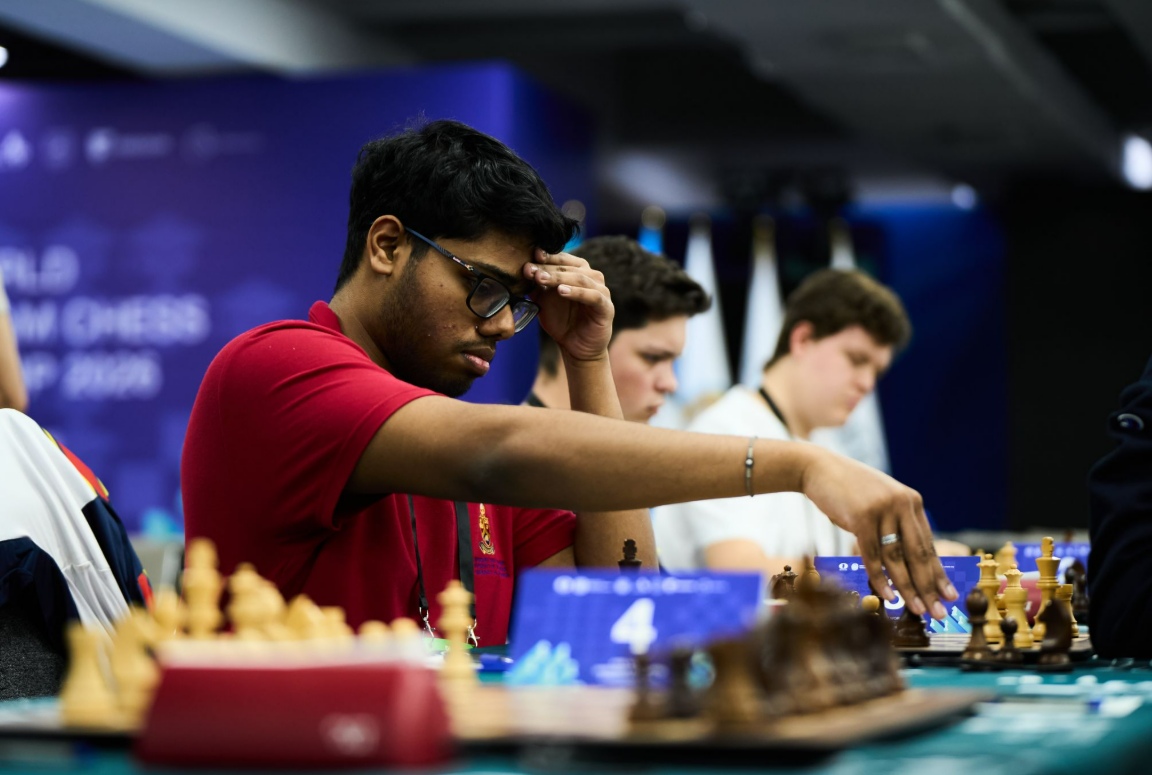
Representatives of the University of Oxford also reflected on the connection of chess and high education. Ted Paul said:
In chess, you’ll often be losing, but then you come back and refocus. Just like in education, people have their ups and downs, but hopefully you keep fighting and come out on top in the end.
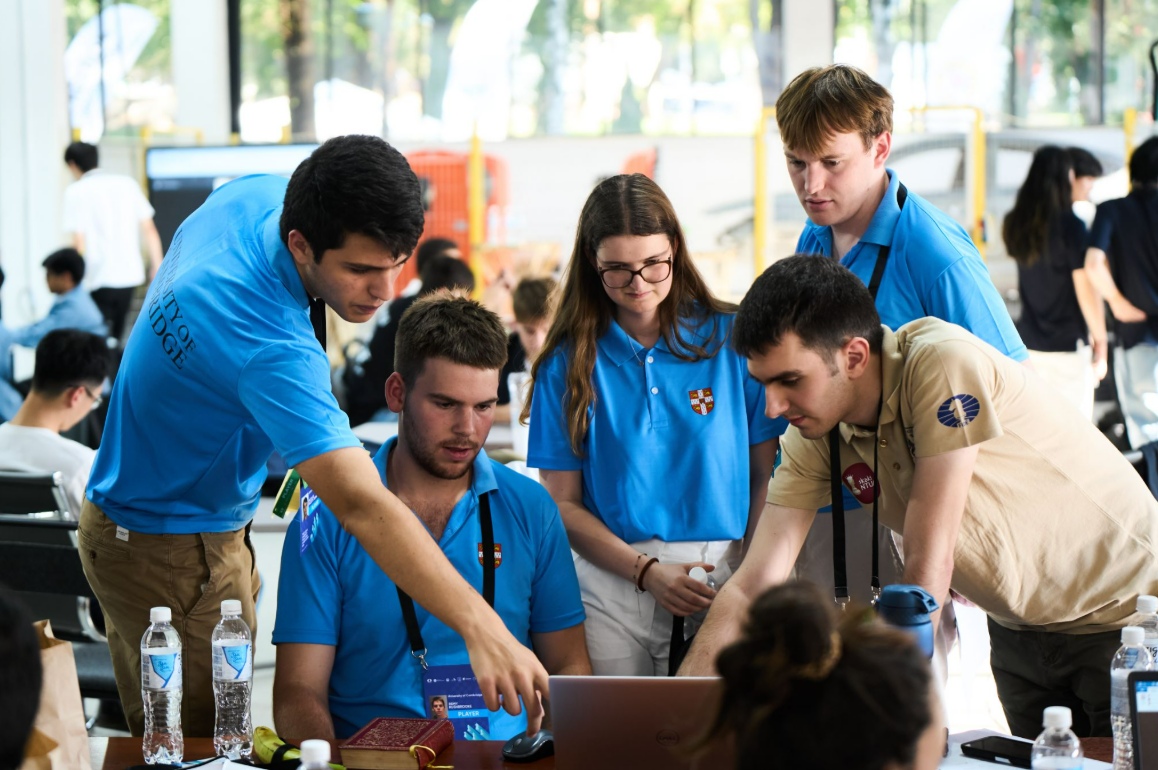
Meanwhile, representatives of Cambridge praised both the international atmosphere and Kazakhstan’s commitment to chess in education. Nicolas Pacetti-Tera said:
Seeing so many strong players who are able to balance chess and university motivates me to try to improve at both at the same time, instead of neglecting chess.
As the championship enters its decisive stage, only eight teams remain in contention for the inaugural FIDE World University Team Championship title. Yet regardless of the results still to come, the group stage has already demonstrated the power of chess to unite students from around the world, promote academic excellence alongside sporting achievement, and showcase the growing role of chess as a valuable educational tool in higher education.