The Chess Olympiad that wasn't
After the National Socialists came to power in Germany, the German Chess Federation was replaced by the Greater German Chess Federation as early as April/May 1933 as part of the "coordination" of institutions. The new federation leader was Otto Zander, who held the position until his death in a car accident in 1938. At the founding meeting of the GSB in July 1933, Zander had already announced the exclusion of Jews from organised chess. At the end of May 1933, Joseph Goebbels had taken over as honorary chairman of the GSB, showing that the Reich leadership attached a certain importance to organised chess.
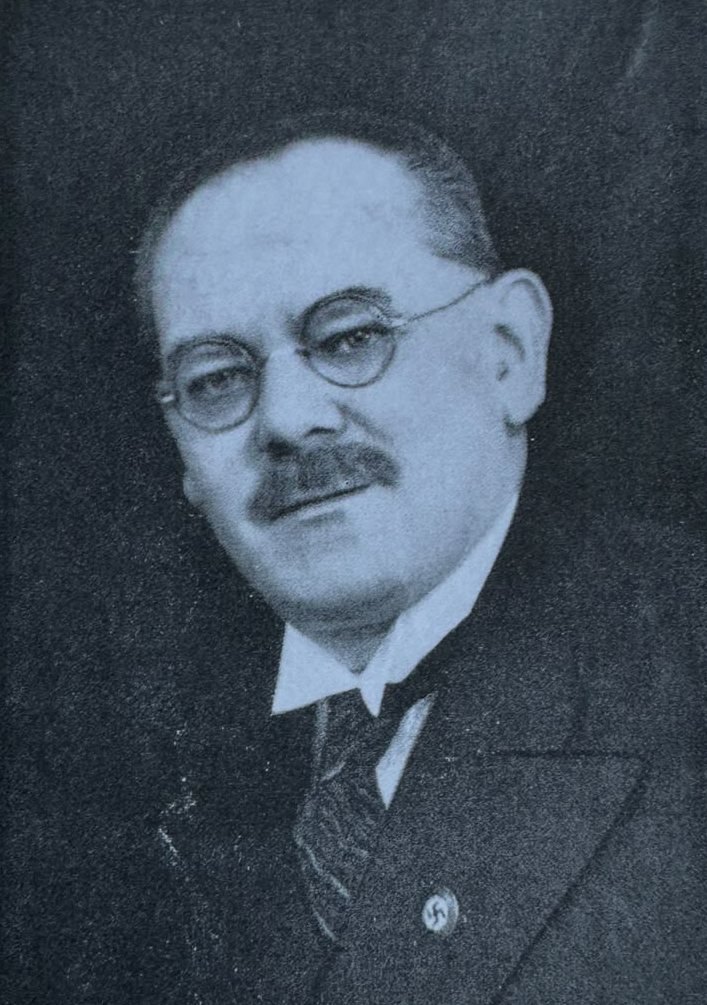
Otto Zander
As part of the 1936 Olympic Games, a major international team chess tournament, a Chess Olympiad, was also to be held. However, the Greater German Chess Federation had no longer been a member of FIDE since 1933. As preparations for the planned Chess Olympiad progressed, the GSB therefore sought readmission to the world chess federation as early as 1935.
 Top trainers strongly recommend regular study of well-explained classical games to improve your understanding of chess in the long term. 33 modern classics are explained in details on this video course.
The matter was controversially discussed at the FIDE Congress during the 1935 Chess Olympiad in Warsaw. Since the racial laws in the German Reich and the GSB regulations excluding Jews from organised chess were incompatible with FIDE's statutes, the GSB's application was rejected - for the time being. Because the GSB was not a member of FIDE, no German team was able to take part in the Chess Olympiads of 1933 (Folkestone), 1935 (Warsaw) or 1937 (Stockholm). At the 1938 FIDE Congress, however, FIDE changed its position and adopted a more pragmatic approach. The GSB wanted to rejoin FIDE and was thus able to participate in the 1939 Chess Olympiad in Buenos Aires, where Germany won gold.
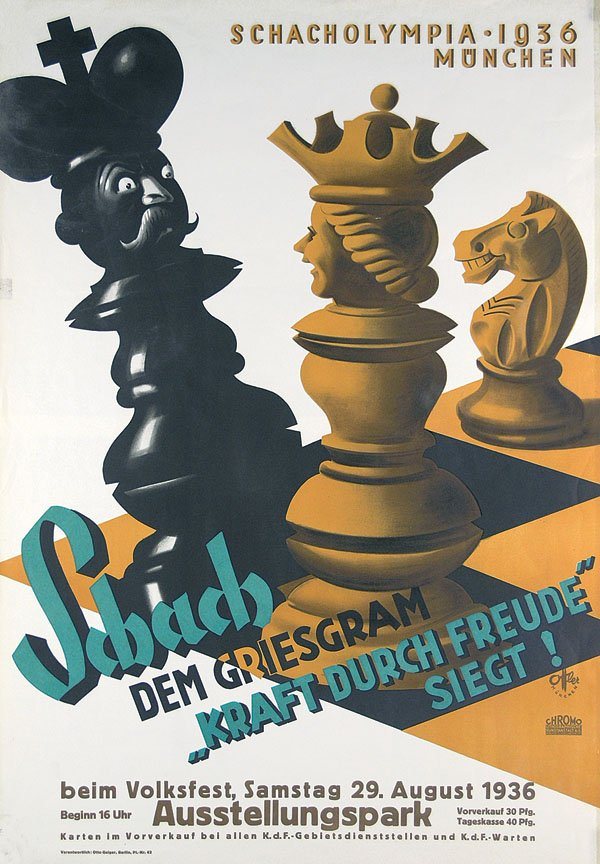
The Greater German Chess Federation nevertheless staged its international team tournament in 1936 and called it a Chess Olympiad. As a kind of compromise, FIDE had left it up to its member federations to decide whether to take part in the tournament or stay away. The International Chess Federation did not, however, grant the event the status of an official Chess Olympiad.
In the end, 21 nations took part, slightly more than at the Chess Olympiads in Warsaw in 1935 (20) and Stockholm in 1937 (19). England, Belgium and the USA, for example, were absent. At the same time as the Munich international team tournament (17 August to 1 September), however, the famous Nottingham tournament was also being held, so several prominent players - Bogoljubow, Tartakower, Alekhine, Vidmar and Flohr - did not play for their teams in Munich.
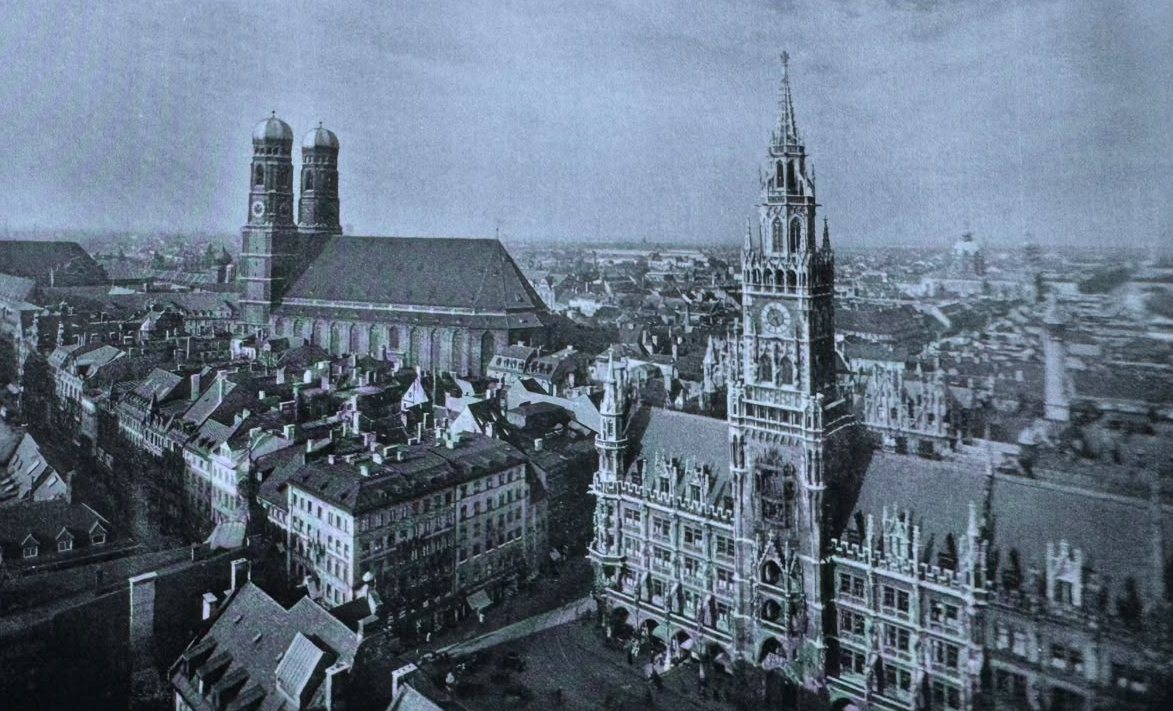
Munich in 1936
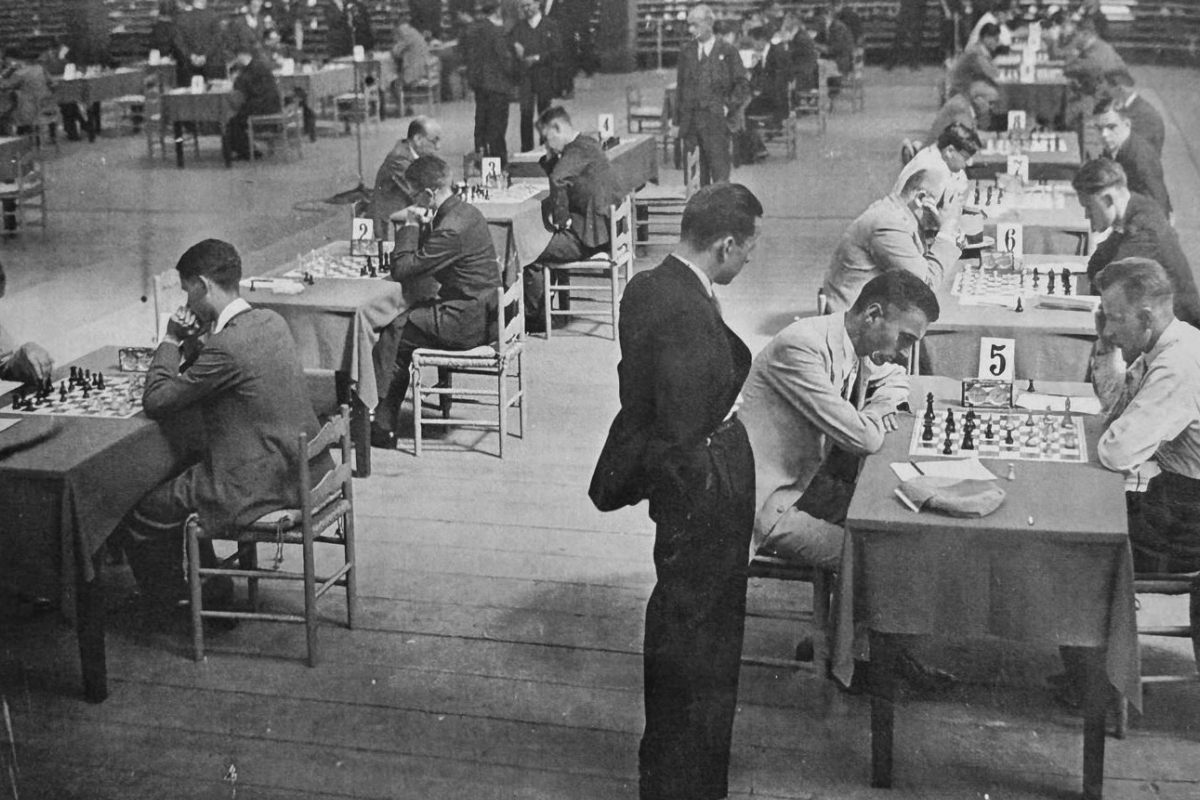
Munich was selected as the venue in part because the Munich Chess Club (established in 1836), one of the oldest chess clubs in Germany, was celebrating its 100th anniversary in 1936. The venue in Munich was the exhibition hall on the old trade fair grounds at the Theresienwiese in the Schwanthalerhöhe district.
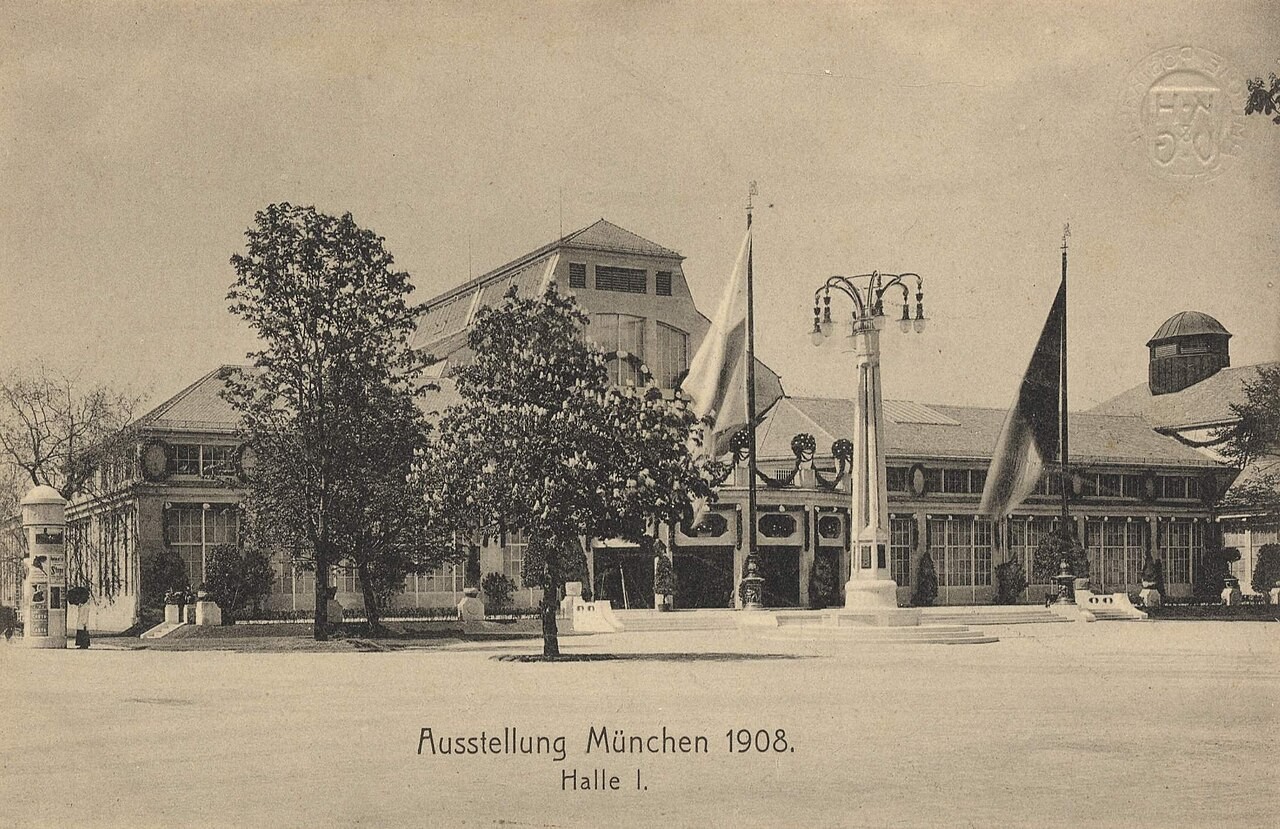
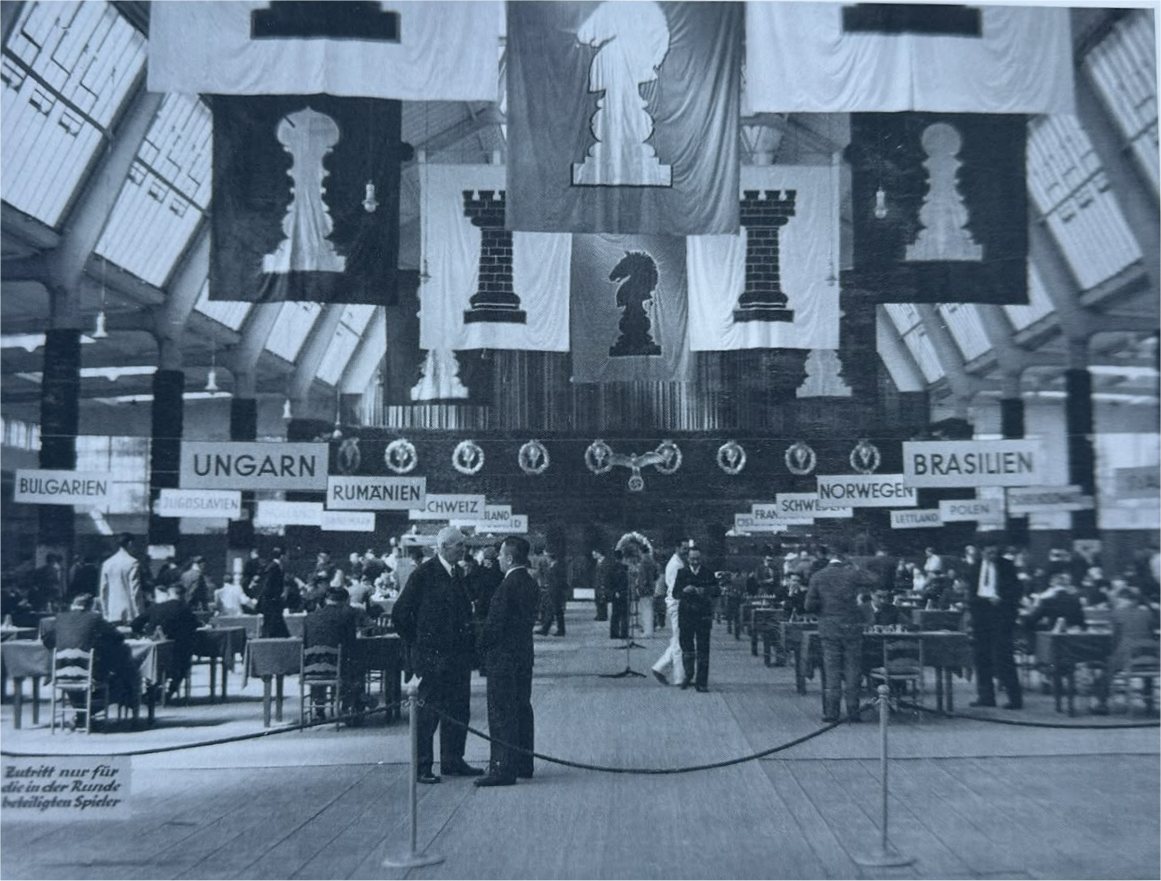
Unlike the previous and subsequent Chess Olympiads, the international team tournament in Munich was played over eight boards. The teams were also allowed two reserve players. The tournament, with 21 participating teams, was still played as a complete round-robin. It was not until 1939 that this format was abandoned because of the growing number of participants, with preliminary groups followed by final groups instead. The time control at the Munich tournament was two hours for 40 moves, followed by one hour for each further 20 moves.
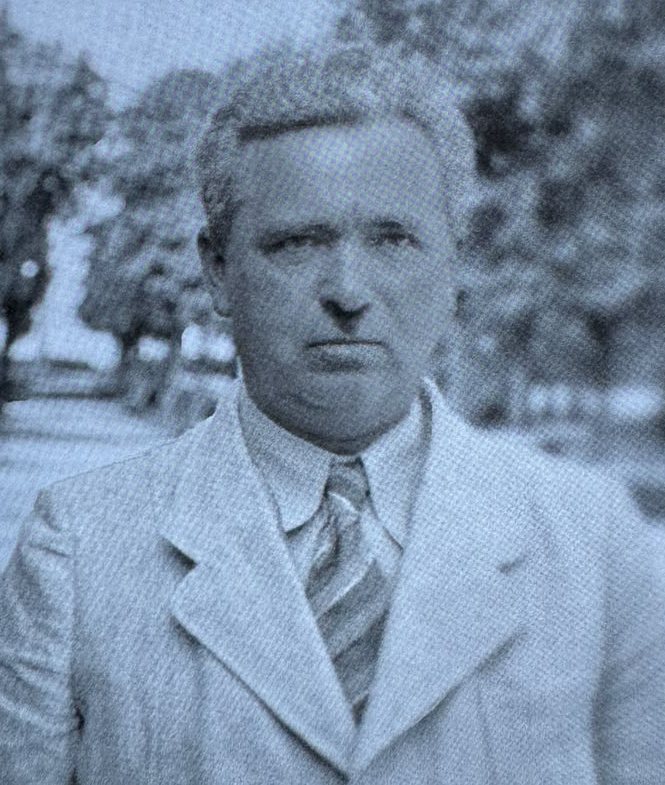
Ehrhardt Post
 In this video course experts examine the games of Bent Larsen. Let them show you which openings Larsen chose, where his strength in middlegames were, how he outplayed his opponents in the endgame & you’ll get a glimpse of his tactical abilities!
Bent Larsen (1935–2010) was the greatest chess player in Danish history, and for a time, the second-strongest player in the Western world behind Bobby Fischer. Between 1954 and 1971, he won the Danish Championship six times, and achieved numerous international tournament victories throughout his career.
Free video sample: Introduction to Bent Larsen by Peter Heine Nielsen
Free video sample: Introduction to the Opening Section
The tournament director was Ehrhardt Post, deputy to federation leader Otto Zander. In 1939, Post was appointed managing director of the Greater German Chess Federation and subsequently became the dominant figure in the organisation.
At the start of the tournament, it was apparently quite hot in Munich, and some of the players complained about the high temperatures in the exhibition hall.
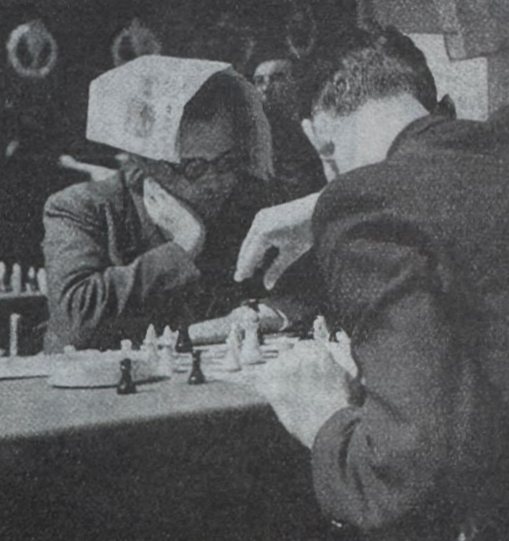
Ludwig Rellstab dealing with the heat
The clear winners of the tournament were Hungary, who won all of their matches. The team was led by Hungarian chess legend Geza Maroczy, although by then he was already 67 years old and well past his peak. Even so, Maroczy still achieved a slightly positive result on board one with 6 points from 11 games.
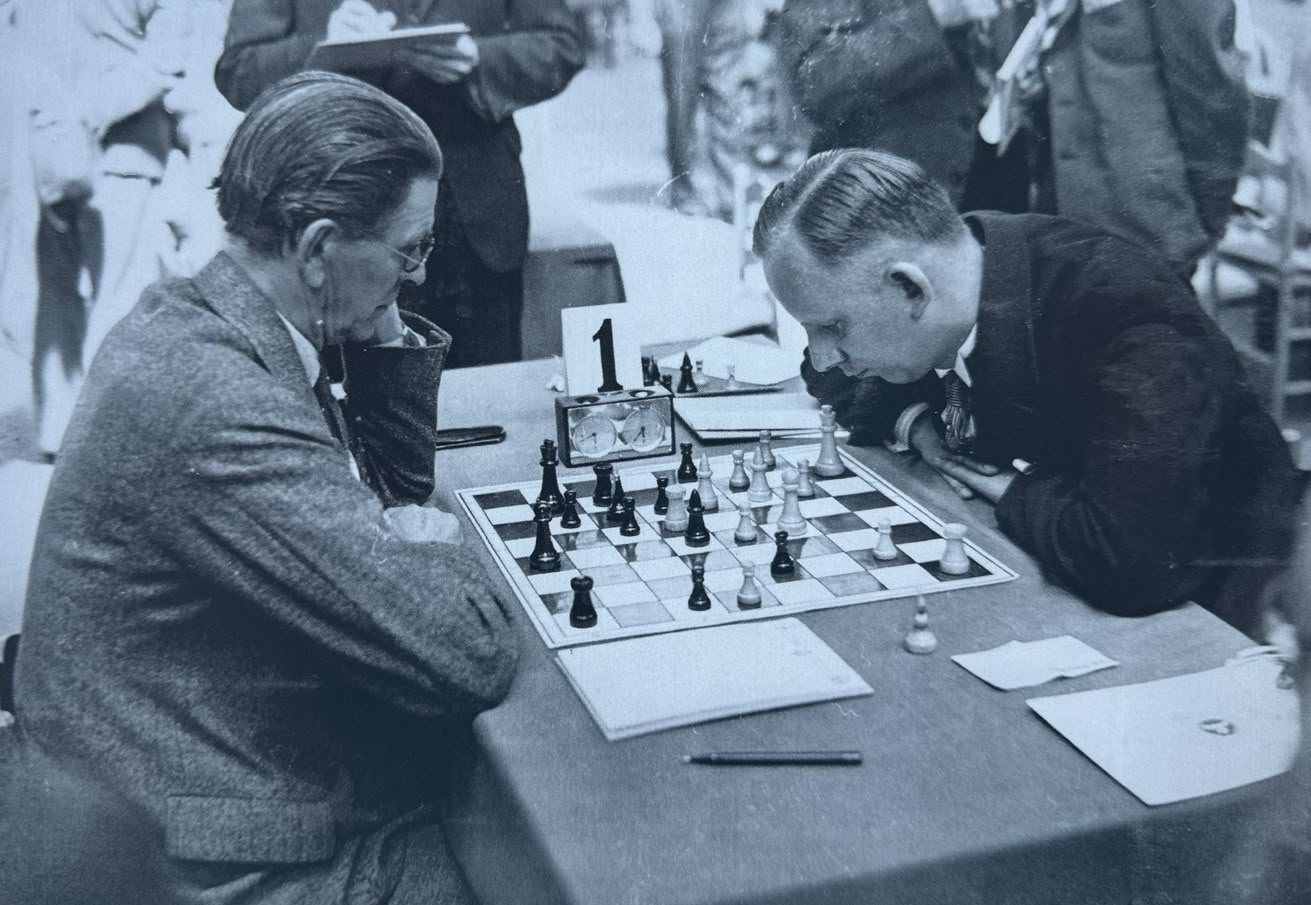
Maroczy and Richter
Hungary's top scorer was Laszlo Szabo, who was only 19 years old at the time. Szabo had already played his first Chess Olympiad the previous year in Warsaw. In Munich, nominated for board five, he scored 16½ points from his 19 games - the best percentage result of any player in the tournament.
Lajos Steiner also achieved an outstanding result on board two with 15½/20. The other young Hungarians, such as Gedeon Barcza (10½/16) and Ernö Gereben (13/19), also performed strongly. Twenty years later, after the uprising in Hungary had been suppressed by the Soviet Union, Gereben fled his homeland, moved to Switzerland and changed his name back to its original German form, Ernst Grünfeld. Because of the risk of confusion with the Austrian chess master of the same name, he had adopted the Hungarian version Ernö Gereben in 1935.
Poland finished second behind Hungary. The Polish team, by then without Rubinstein and Tartakower, had its best player in Najdorf on board two. With 16/20, he won individual gold on board two.
In Munich, Najdorf still used his original first name, Mieczysław. Three years later, after the outbreak of the Second World War, he had to remain in Argentina following the Chess Olympiad in Buenos Aires, became the strongest player in his new homeland and changed his first name to Miguel. Alongside Najdorf, Henryk Friedmann (15½/20) and Leon Kremer (15/20) were among the best players on the Polish team.
Level with Poland on match points (both had 16), but with several fewer board points, the German team finished third even without Bogoljubow. Kurt Richter played on board one for Germany and achieved a good result with 12/18. The Berlin player later published a worthwhile two-volume tournament book about the event together with Heinz van Henning.
 In this video course, kings will play a role of strong and active pieces. We will explore how Kings can be helpful in defence and prophylaxis, or even in attack!
Several other names from the German team will also be familiar to chess enthusiasts, for example Carl Ahues, perhaps Ludwig Engels, Carl Carls, Ludwig Rellstab, Friedrich Sämisch of course, although he played only on board six, and Herbert Heinicke, certainly to those from Hamburg at least.
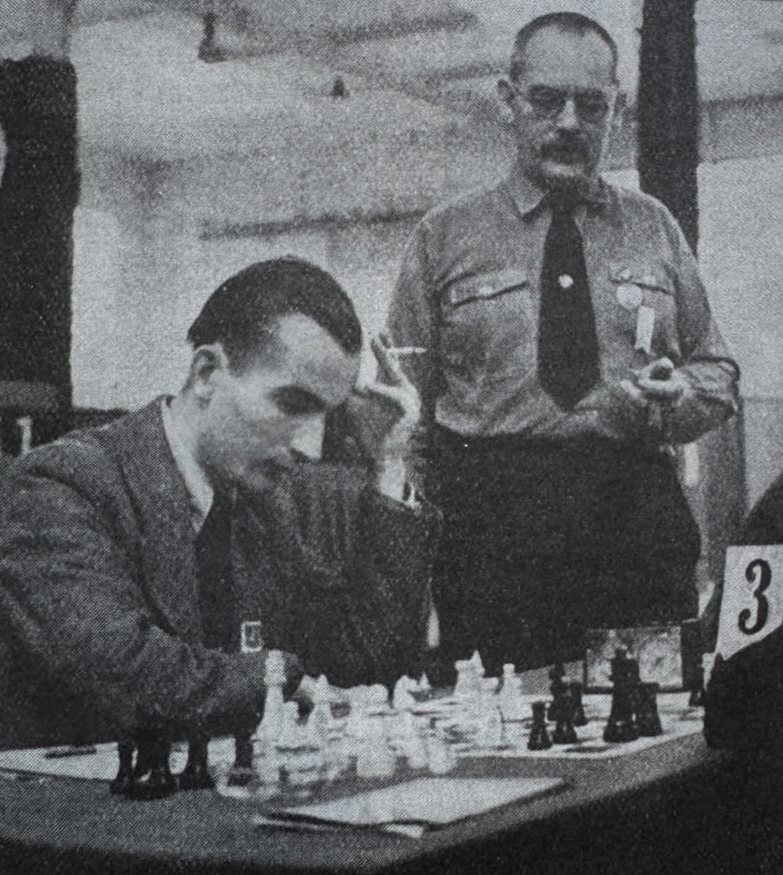
Ludwig Engels, with Otto Zander kibitzing
The names Ludwig Rödl, Wilhelm Ernst and Paul Michel, however, will probably be known to only a few today. Rödl was a lawyer from Nuremberg, a member of Noris-Tarrasch Nuremberg and a profound endgame expert. In 1929/30, he won the German Championship after a play-off against Engels. In 1931, after losing a playoff against Bogoljubow, who had finished level on points, he was runner-up. After the Second World War, he continued to play successfully in several German Championships and tournaments in the late 1940s.
Wilhelm Ernst, a municipal inspector from Gelsenkirchen, was also a strong player at the time. At the 1935 German Championship, he finished joint second behind Kurt Richter, together with Paul Michel. The latter was likewise among Germany's strongest players in the 1930s. Michel also played in 1939 for what was then the Greater German national team, on board two, which won gold in Buenos Aires, and like all the other German and Austrian players, he remained there.
It was precisely the players who are less well known today who contributed most to the German team's bronze-medal finish in Munich. Rödl was the best player on board six with 11/16. Ernst and Michel were each the second-best players on the first and second reserve boards, scoring 9½/14 and 9½/12 respectively. Herbert Heinicke was also the second-best player on board eight, with 13/18. Ludwig Rellstab was the third-best player on board five with 12/17.
Paul Keres was, of course, also among the best players in the tournament. He won individual gold on board one for Estonia with 15½/20.
Borislav Kostic was the second-best player in the entire tournament behind Laszlo Szabo, scoring 16/19, and was one of the main reasons Yugoslavia finished fourth.
Emil Zinner was Czechoslovakia's leading point scorer on board three, with 14½/20.
Among the Baltic States, which had still belonged to Russia until the October Revolution and the end of the First World War, Latvia performed best, finishing sixth. Vladimir Petrovs played on board one and achieved a solid result with 13½/20. In 1942, after commenting during a tournament in the USSR on the poor supply situation in Latvia following the Soviet occupation, he was arrested and sent to a Siberian Gulag, where he soon died of malnutrition. Karlis Ozols, by contrast, who played on board eight for Latvia, joined the SS after the German occupation of Latvia and assisted in the extermination of Latvian Jews. At the end of the war, he fled the advancing Red Army via Germany to Australia, where he continued to play in tournaments into the 1990s.
Lithuania finished eleventh, behind Estonia, and had its best-known player in Vladas Mikenas on board one. Mikenas had a difficult time on the top board and narrowly missed a fifty percent score with 9/20. The best player on the Lithuanian team was Markas Luckis, who was the second-best player in the tournament on board four. He too remained in Argentina after 1939 and played in many tournaments there until 1972.
Austria still competed with its own team in Munich in 1936. With top players Erich Eliskases and Albert Becker (13½/18), who won a bronze medal in the board standings on board three, Austria finished seventh overall. After the Anschluss with the German Reich in 1938, the Austrian players were incorporated into the Greater German team for the 1939 Chess Olympiad.
Final standings
|
Team |
Code |
Pts |
+ |
= |
- |
| 1. |
Hungary |
HUN |
110½ |
20 |
0 |
0 |
| 2. |
Poland |
POL |
108 |
16 |
1 |
3 |
| 3. |
Germany |
GER |
106½ |
16 |
2 |
2 |
| 4. |
Yugoslavia |
YUG |
104½ |
14 |
3 |
3 |
| 5. |
Czechoslovakia |
CSR |
104 |
13 |
4 |
3 |
| 6. |
Latvia |
LAT |
96½ |
14 |
2 |
4 |
| 7. |
Austria |
AUT |
95 |
13 |
3 |
4 |
| 8. |
Sweden |
SWE |
94 |
11 |
3 |
6 |
| 9. |
Denmark |
DEN |
91½ |
12 |
0 |
8 |
| 10. |
Estonia |
EST |
90 |
9 |
4 |
7 |
| 11. |
Lithuania |
LTU |
77½ |
7 |
4 |
9 |
| 12. |
Finland |
FIN |
75 |
6 |
6 |
8 |
| 13. |
Netherlands |
NED |
71½ |
10 |
0 |
10 |
| 14. |
Romania |
ROM |
68 |
4 |
4 |
12 |
| 15. |
Norway |
NOR |
64½ |
3 |
2 |
15 |
| 16. |
Brazil |
BRA |
63 |
5 |
3 |
12 |
| 17. |
Switzerland |
SUI |
61½ |
5 |
2 |
13 |
| 18. |
Italy |
ITA |
59 |
3 |
3 |
14 |
| 19. |
Iceland |
ISL |
57½ |
4 |
0 |
16 |
| 20. |
France |
FRA |
43½ |
1 |
1 |
18 |
| 21. |
Bulgaria |
BUL |
38½ |
0 |
1 |
19 |
Table: Olimpbase.org
The awards ceremony was held in the evening after the tournament in the exhibition hall at the trade fair grounds and was conducted by federation leader Otto Zander. In addition to the winning teams from the team chess tournament, the winners of the parallel problem-solving competition were also honoured. Germany won gold there ahead of Hungary and Latvia.
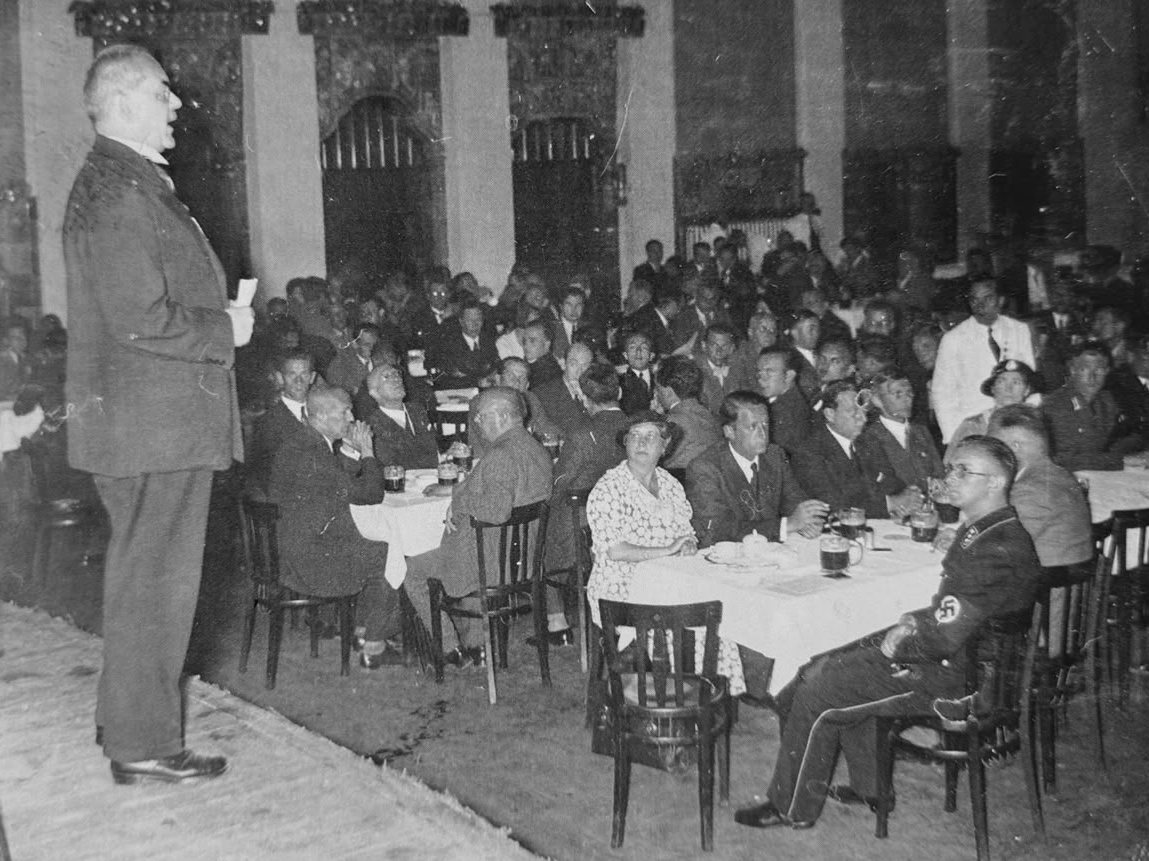
Otto Zander conducts the closing ceremony
 Our experts show, using the games of Botvinnik, how to employ specific openings successfully, which model strategies are present in specific structures, how to find tactical solutions and rules for how to bring endings to a successful conclusion
The tournament was celebrated by the organisers as a mega-event and was embedded in an extensive supporting and entertainment programme. The public could watch living-chess demonstrations and revue performances by the Doorlay Girls, who were very popular at the time.
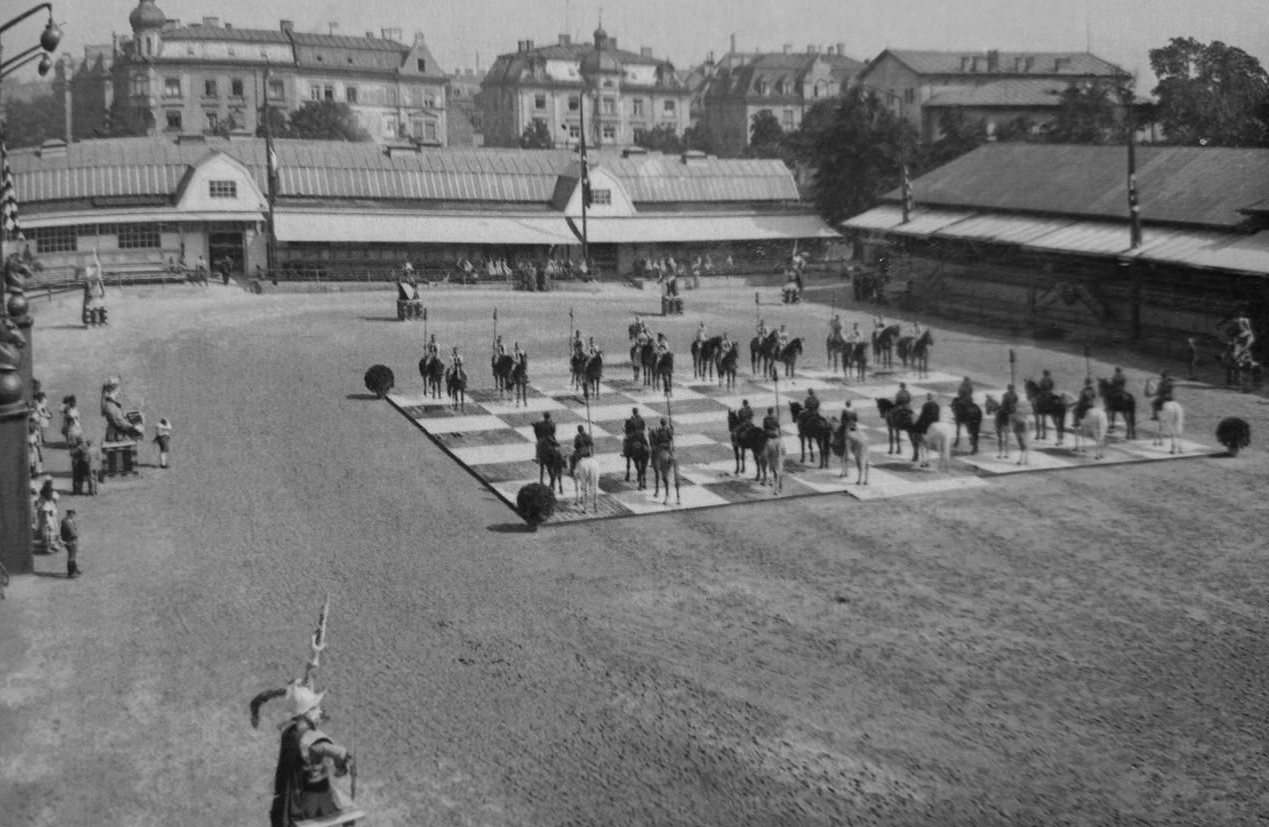
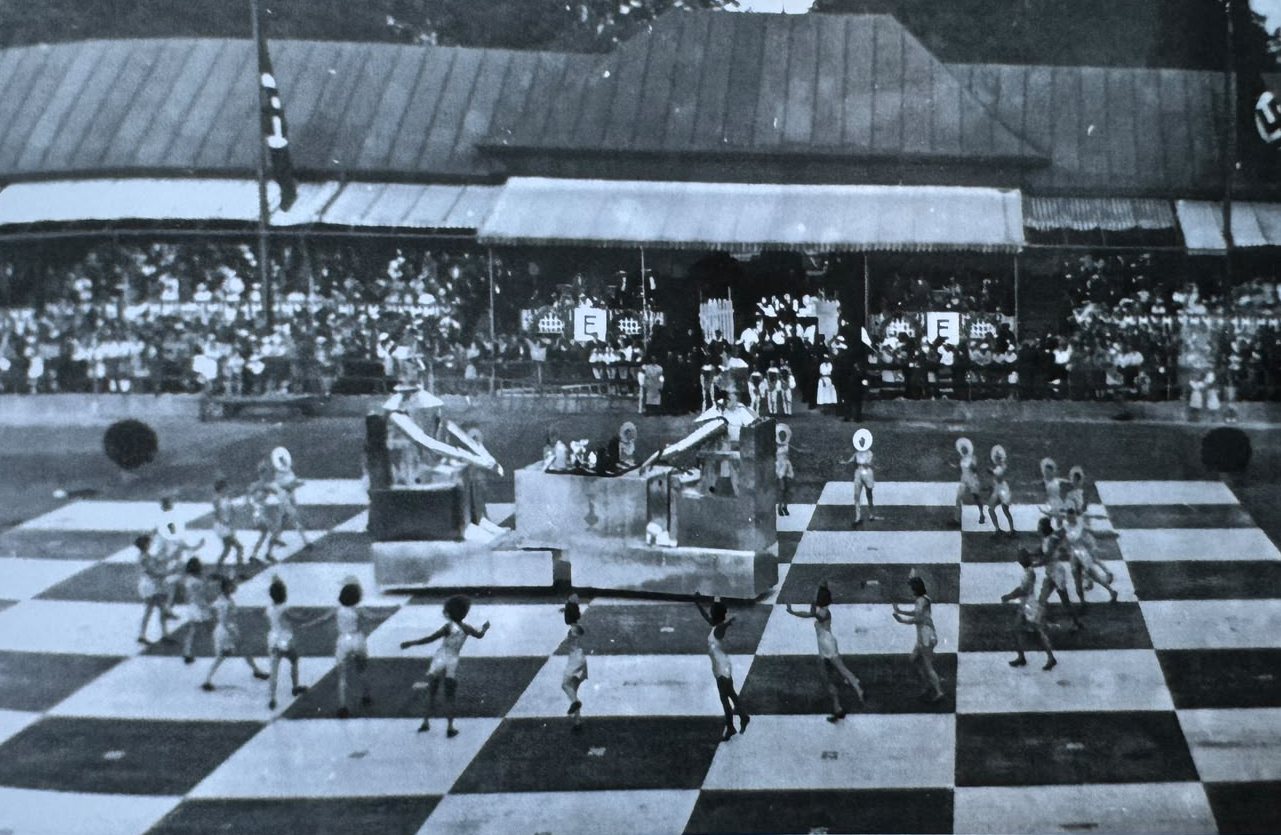
Ferenc Chalupetzky, a member of the Hungarian delegation, took a series of photographs in Munich. Laszló Jakobetz published a selection on the occasion of the 2024 Chess Olympiad in Budapest. Further photographs appeared in the tournament book.
On this DVD GMs Rogozenco, Marin, Müller, and IM Reeh present outstanding games, stunning combinations and exemplary endgames by Alekhine. And they invite you to improve your knowledge with the help of video lectures, annotated games and interactive tests















.jpeg)

.jpeg)