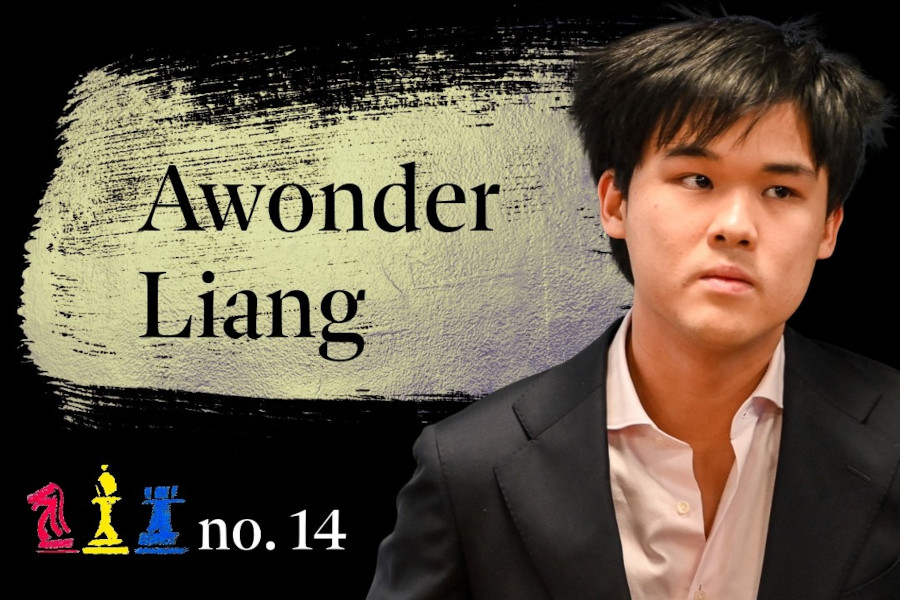
10/10/2026 – Wesley So, Awonder Liang and Jeffery Xiong scored victories with the white pieces in the opening round of the US Championship in Saint Louis, while defending champion Fabiano Caruana drew his game against Levon Aronian in just 17 moves. In the women's tournament, four lower-rated players claimed victories, including Rachael Li, who benefited from a surprising blunder by eight-time champion Irina Krush. | Photo: Crystal Fuller / Saint Louis Chess Club
new: ChessBase Magazine 225
Chess Festival Prague 2025 with analyses by Aravindh, Giri, Gurel, Navara and others. ‘Special’: 27 highly entertaining miniatures. Opening videos by Werle, King and Ris. 10 opening articles with new repertoire ideas and much more. ChessBase Magazine offers first-class training material for club players and professionals! World-class players analyse their brilliant games and explain the ideas behind the moves. Opening specialists present the latest trends in opening theory and exciting ideas for your repertoire. Master trainers in tactics, strategy and endgames show you the tricks and techniques you need to be a successful tournament player! Available as a direct download (incl. booklet as pdf file) or booklet with download key by post. Included in delivery: ChessBase Magazine #225 as “ChessBase Book” for iPad, tablet, Mac etc.!
YOUR PERSONAL CHESS COACH - Whether you’re taking your first steps into the world of club chess, or already playing at a tournament level: with FRITZ, you can train more efficiently, intelligently and with a more personalised approach than ever before. FRITZ is more than just a chess engine – it’s a training revolution! Whether you’re taking your first steps into the world of club chess, or already playing at a tournament level: with FRITZ, you can train more efficiently, intelligently and with a more personalised approach than ever before.
You will learn how Black's dynamic piece activity and structural counterplay more than compensate for White's extra tempo in the colour-reversed setups.
€39.90
Open: Drei Siege mit Weiß, So punktet an seinem Geburtstag
Die US-Schachmeisterschaften 2026 begannen am Freitag, dem 9. Oktober, im Saint Louis Chess Club. Dr. Jeanne Cairns Sinquefield läutete die Glocke zum Auftakt der ersten Runde. Drei der sechs Partien im offenen Wettbewerb endeten eindeutig: Wesley So, Awonder Liang und Jeffery Xiong gewannen jeweils mit den weißen Steinen.
Drei Spieler kristallisierten sich früh als Führende der offenen Gruppe heraus: Wesley So, Awonder Liang und Jeffery Xiong besiegten Sam Shankland, Hans Niemann bzw. Sam Sevian. Alle drei Sieger spielten mit Weiß, die übrigen Partien endeten remis. So war der einzige höher eingestufte Spieler, der einen Sieg erringen konnte, obwohl sein Match gegen Shankland alles andere als einfach war.
Das erste Ergebnis des Turniers fiel relativ schnell. Levon Aronian, die Nummer drei der Setzliste, traf in einer Partie, die 17 Züge dauerte, auf Titelverteidiger Fabiano Caruana. Caruana, der mit Schwarz spielte, versuchte eine neue Eröffnungsidee und fand bald einen Weg, ein Dauerschach zu erzwingen, wodurch die Begegnung frühzeitig beendet wurde.
_REPLACE_BY_ADV_1
Die beiden anderen Remispartien dauerten deutlich länger. Abhimanyu Mishra und Ray Robson einigten sich im 35. Zug auf einen Punktgewinn, nachdem sie ein Turmendspiel mit jeweils vier Bauern erreicht hatten. Grigoriy Oparin und Andy Woodward spielten derweil bis zum 45. Zug, als sie sich in einem Endspiel mit ungleichfarbigen Läufern, in dem Woodward einen Mehrbauern hatte, auf ein Remis einigten.
Levon Aronian | Foto: Crystal Fuller
So überlebt eine verpasste Gelegenheit von Shankland
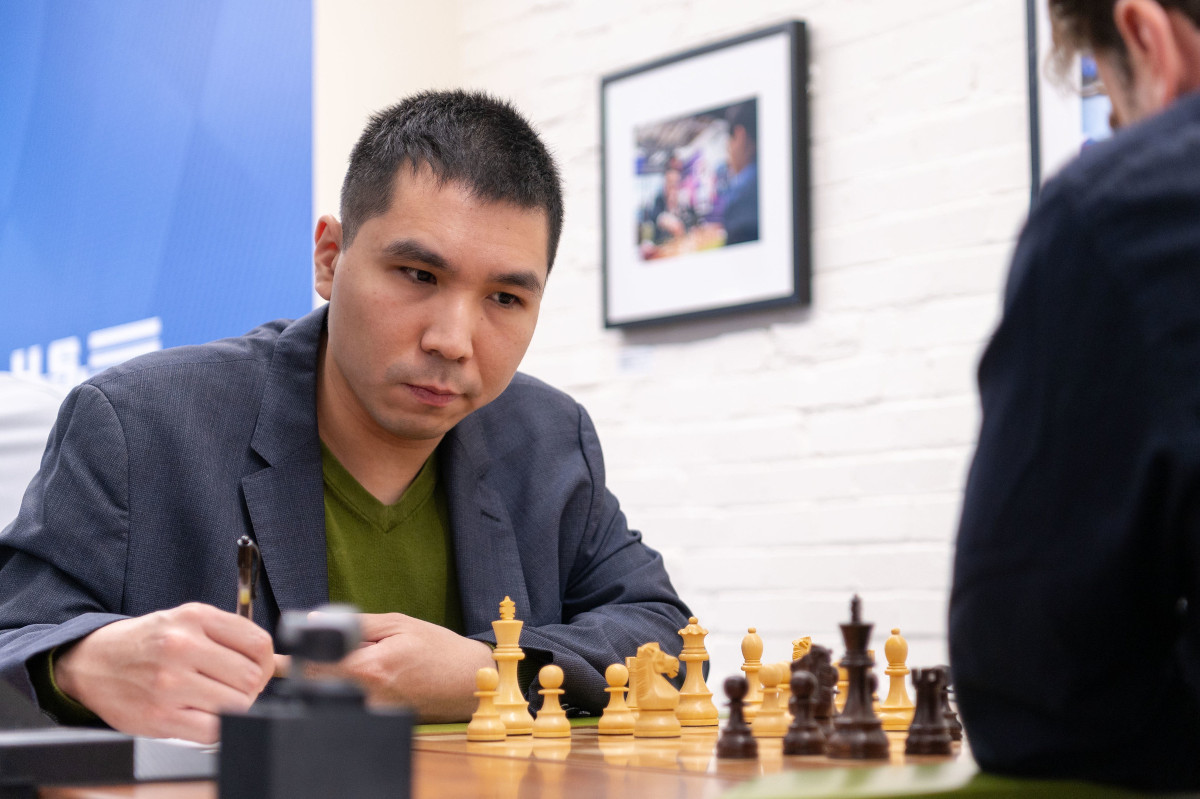
Wesley So, dreimaliger US-Meister, startete mit einem Sieg nach 80 Zügen gegen Sam Shankland in den Turnierkalender. Das Ergebnis war ein passendes Geburtstagsgeschenk für So, der am Freitag 33 Jahre alt wurde, obwohl die Partie genauso gut anders hätte ausgehen können.
So, der mit Weiß spielte, errang in einem zweischneidigen Mittelspiel einen klaren Vorteil. Seine Stellung bot vielversprechende Angriffsmöglichkeiten, nachdem er die Bauern auf die g- und h-Linie vorgerückt hatte, doch die Bewertung änderte sich dramatisch, als er im 38. Zug einen Fehler beging.
38.Sg3?? (38.Sh6 wäre korrekt gewesen) erlaubte 38…Txe5!, woraufhin 39.Txe5 Dxg4 Schwarz einen Gewinnangriff am Damenflügel ermöglichte, wobei Dame, Springer und Turm (der über f2 vorstoßen würde) bereit wären, die Partie schnell zu gewinnen. Shankland fand jedoch keine Fortsetzung und spielte stattdessen 38…c5?, woraus eine nahezu ausgeglichene Stellung entstand.
Obwohl er zuvor eine Chance auf einen deutlicheren Vorteil verpasst hatte, setzte So seinen Druck fort. Er behielt einen leichten positionellen Vorteil, und die Stellung vereinfachte sich schließlich zu einem Turmendspiel, in dem er einen Mehrbauern hatte. Die Aufstellung war für Shankland objektiv verteidigungsfähig, doch um das Remis zu halten, war beträchtliche Präzision erforderlich.
While tactics decide the game in concrete moments, strategy guides the entire battle. Understanding how to improve your pieces, create weaknesses, execute maneuvers, and steer the game toward favorable structures is what defines strong players. After exploring the fundamentals of calculation in his first ChessBase course, International Master Kostya Kavutskiy now turns to the other half of chess mastery: positional play.
This course offers a structured and practical introduction to the core elements of positional chess.
So stellte er immer wieder praktische Probleme, und seine Beharrlichkeit zahlte sich schließlich aus. Shankland unterlief ein technischer Fehler, der es seinem Gegner ermöglichte, den Mehrbauern in einen Gewinnvorteil umzuwandeln.
Geburtstagskind Wesley So | Foto: Crystal Fuller
Liang spielt Niemann aus.
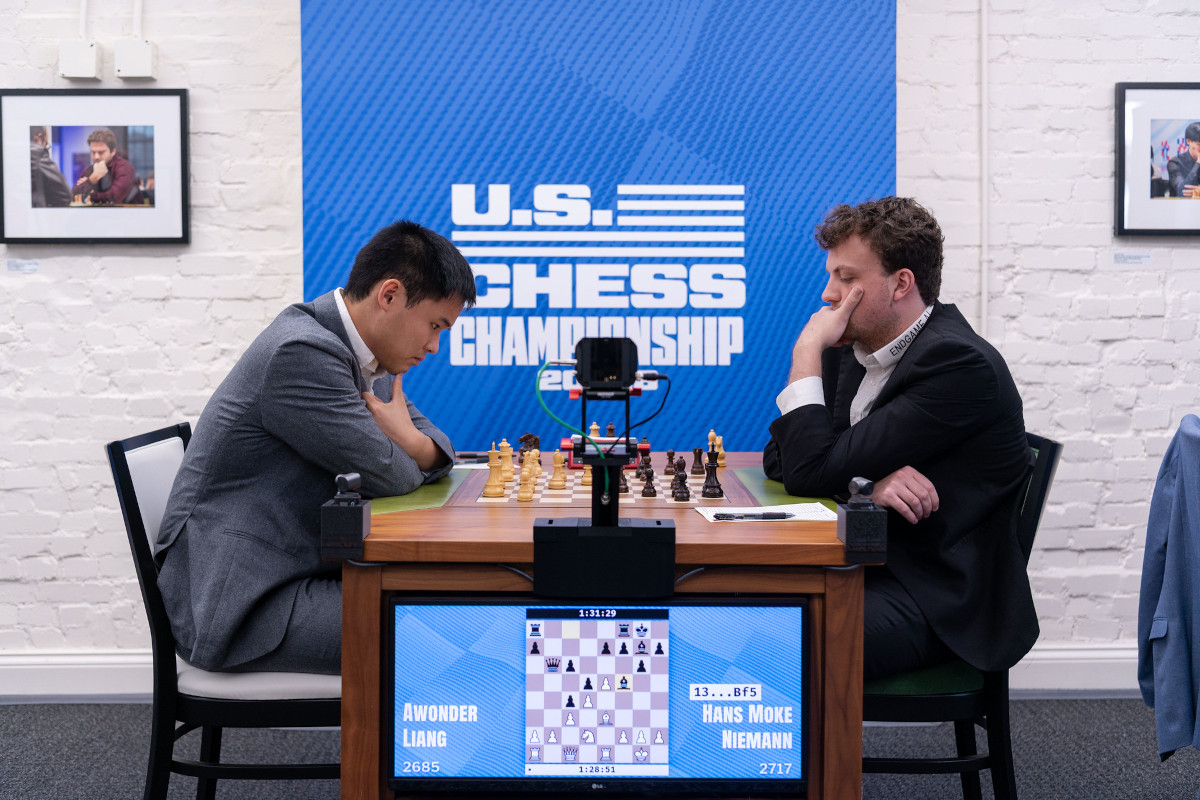
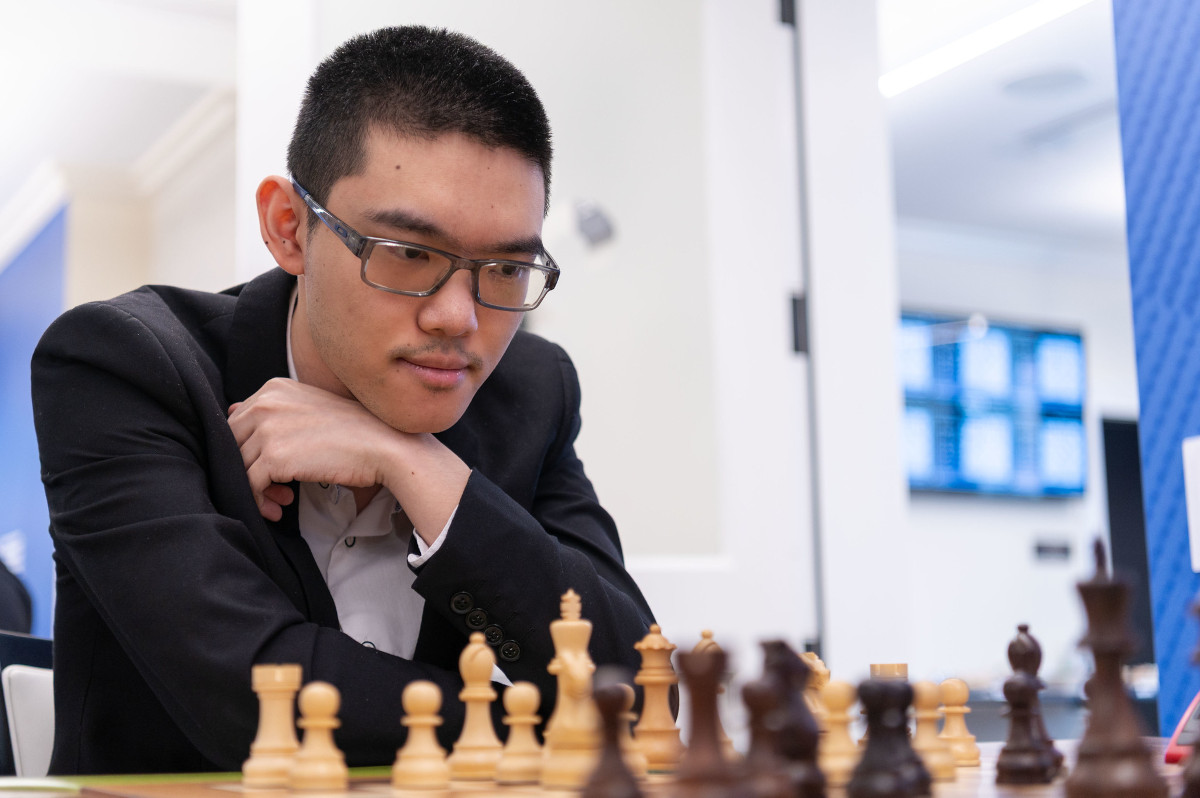
Awonder Liang errang einen möglicherweise entscheidenden Sieg gegen Hans Niemann, seinen Teamkollegen von der Schacholympiade in Samarkand. Mit Weiß gewann Liang im frühen Mittelspiel die Oberhand und baute seinen Vorsprung kontinuierlich aus, da Niemann Schwierigkeiten hatte, eine zufriedenstellende Verteidigungsstrategie zu entwickeln.
Ein kritischer Moment kam im 19. Zug, als Niemann fast eine halbe Stunde lang über seine Möglichkeiten nachdachte, bevor er sich für ein unpräzises Manöver entschied.
Liang reagierte darauf, indem er die Koordination seiner Figuren verbesserte, seine Kräfte zentralisierte und auf beiden Seiten des Bretts Bedrohungen schuf.
Sobald es Liang gelang, einen Springer auf e6 zu etablieren, wurde seine positionelle Überlegenheit deutlich, da der Springer mehrere wichtige Felder dominierte.
Für Niemann wurde die Situation noch schwieriger durch seinen erheblichen Zeitnachteil: Zeitweise hatte Liang noch 41 Minuten, sein Gegner hingegen nur 14.
Weitere Ungenauigkeiten von Niemann ermöglichten es Liang, den Druck zu erhöhen. Mit seiner Dame, seinem Turm und seinem Springer tief in der schwarzen Stellung hatte Liang im 34. Zug einen entscheidenden Vorteil.
_REPLACE_BY_ADV_3
Niemann trat von dieser Position zurück.
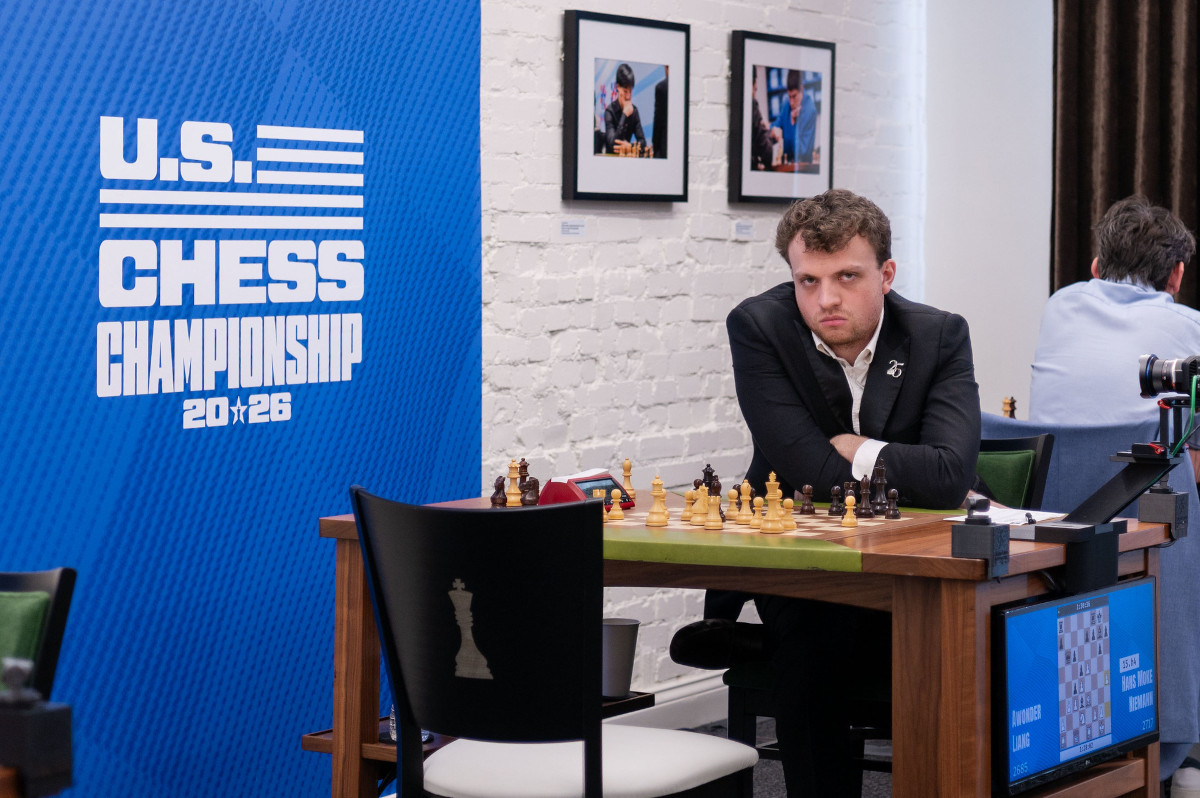
Hans Niemann | Foto: Crystal Fuller
Xiong profitiert von Sevians Fehler im Endspiel.
Die dritte entscheidende Partie im offenen Wettbewerb bestritten Jeffery Xiong und Sam Sevian, zwei Spieler derselben Generation. Beide wurden im Jahr 2000 geboren und sind aktuell 25 Jahre alt. Ihre Partie begann mit einer Bogo-Indischen Verteidigung und blieb über weite Strecken relativ ausgeglichen. Xiong, der mit Weiß spielte, behielt zwar die Initiative, doch Sevian schien über genügend defensive Mittel zu verfügen, um die Stellung unter Kontrolle zu halten.
Nach einigen Abtauschen erreichten die Spieler ein Turmendspiel mit vier Bauern für Xiong und drei für Xiong. Trotz des Materialungleichgewichts war die Stellung objektiv remis, und Sevian schien zunächst die notwendige Verteidigungstechnik anzuwenden.
Der entscheidende Fehler unterlief ihm erst nach dem Turmtausch. Im Endspiel mit König und Bauer gelang es Sevian nicht, die Fortsetzung zu finden, die das Gleichgewicht gehalten hätte.
Das Ergebnis verdeutlichte, wie anspruchsvoll das technische Spiel selbst für etablierte Großmeister in scheinbar einfachen Stellungen ist. Sevian hatte über weite Strecken der Partie eine leicht unterlegene Stellung erfolgreich verteidigt, nur um dann in einem Endspiel, das präzise Berechnungen erforderte, den Faden zu verlieren.
Jeffery Xiong | Foto: Crystal Fuller
Tabellenstand nach Runde 1
Alle Spiele
Frauen: Vier entscheidende Spiele
Die erste Runde der Damenmeisterschaft endete mit vier entscheidenden Partien, in denen Rachael Li, Anna Zatonskih, Thalia Cervantes und Megan Paragua jeweils die volle Punktzahl erreichten. Bemerkenswert ist, dass jede der vier Siegerinnen die niedriger eingestufte Spielerin in ihrer jeweiligen Begegnung war.
The main pairing of the day brought together the two highest-rated participants, Alice Lee and defending champion Carissa Yip. Lee had the white pieces and Yip tried the King's Indian Defence. It was Black who obtained the more promising position in the middlegame.
Yip, in fact, built up a clear advantage and had several opportunities to secure a winning position, but failed to find the strongest continuations.
_REPLACE_BY_ADV_4
Lee organised her defence and gradually reduced the pressure. She made the most of the chances offered by her opponent and eventually escaped with a draw.
Two of the decisive encounters were largely decided by sustained positional pressure. Anna Zatonskih, a two-time US women's champion, defeated Rose Atwell after obtaining a favourable position from the black side of a French Defence and steadily increasing her advantage. Megan Paragua followed a similar path against Anna Sargsyan, making effective use of an early positional edge to collect the full point.
The remaining victories were more dramatic. Both Rachael Li and Thalia Cervantes had to recover from clearly inferior positions before their opponents committed decisive errors.
Nazi Paikidze started the event with a draw | Photo: Crystal Fuller
Krush blunders her queen
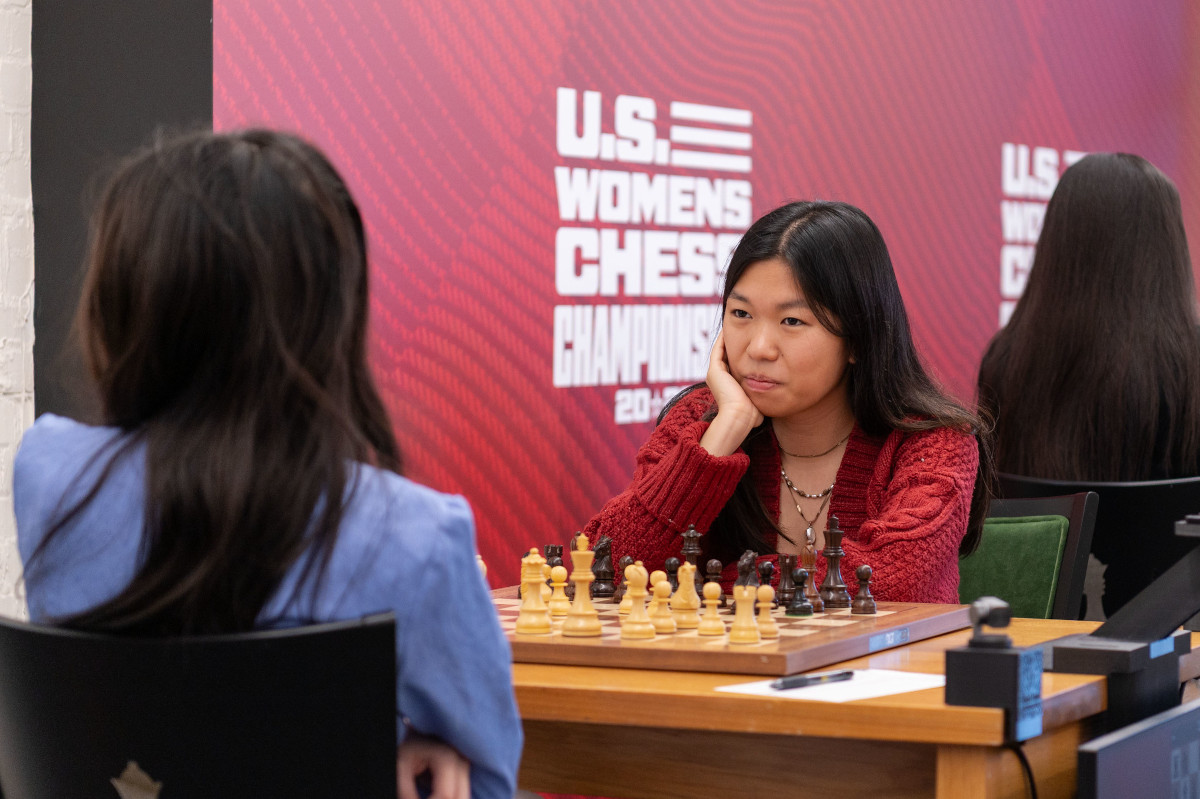
The most surprising moments of the opening round came in the encounter between Rachael Li and Irina Krush. The experienced grandmaster, playing black, employed the Sicilian Defence and obtained a clear advantage, seemingly putting herself in a strong position to begin the tournament with a victory.
However, Krush had used a considerable amount of time and was approaching the first time control in serious time trouble. By move 30, she had less than one minute remaining on her clock. Under these circumstances, the eight-time US women's champion committed an extraordinary blunder, leaving her queen completely undefended.
Li immediately captured the piece, prompting her opponent's resignation.
Besides in-depth theory and exciting tactical exercises in the Scotch Game, this video course also includes a bonus section on the Scotch Gambit (1.e4 e5 2.Nf3 Nc6 3.d4 cxd4 4.Bc4), a lively variation often leading to very dynamic positions.
During the broadcast, commentator Maurice Ashley recalled a conversation in which Krush had acknowledged that her tendency to struggle under time pressure was an issue she needed to address to achieve more consistent results.
Cervantes finds a decisive counterattack
Another game in which the player with the advantage eventually lost was Tatev Abrahamyan's encounter with Thalia Cervantes. Abrahamyan, playing white, obtained a promising position and appeared to be on course for a favourable result. Her main assets were connected passed pawns on the c- and d-files, which gave her great winning chances. Cervantes, however, retained active possibilities along the semi-open g-file.
As the players approached the time control, Abrahamyan failed to appreciate the tactical dangers facing her king.
Cervantes' attack proved decisive, completing another reversal in a round characterised by several missed opportunities.
Carlos Alberto ColodroCarlos Colodro is a Hispanic Philologist from Bolivia. He works as a freelance translator and writer since 2012. A lot of his work is done in chess-related texts, as the game is one of his biggest interests, along with literature and music.
10/19/2026 – The US Championships are taking place on 9-21 October at the Saint Louis Chess Club. Each tournament is a 12-player single round-robin with a classical time control. Fabiano Caruana, Wesley So and Levon Aronian are the highest-rated players in the open, while Carissa Yip, Alice Lee and Irina Krush head the women's field. | Follow the action live starting at 19.00 CEST (13.00 ET, 22.30 IST) | Pictured: Nazi Paikidze | Photo: Lennart Ootes
9/4/2026 – In a candid interview from January 2026, 2700-level chess prodigy Awonder Liang reflects on his unique journey from a teenage sensation to a serious competitor while balancing a degree in economics and applied math. Liang challenges the notion that elite chess requires sacrificing a normal life, arguing that at the low 2700s, massive gains are still possible through fundamentals and doing what you enjoy. | Photo: <a href="https://www.youtube.com/@Underpromoted">Underpromoted on YouTube</a>
The Elephant Gambit (1.e4.e5 2.Nf3 d5!?) has never really been given the attention it deserves. It is a very useful surprise weapon. Let us list the advantages of playing this particular opening: 1) Shock value 2) It is very aggressive. Black can take over the initiative early. 3) Many tricky lines 4) Unorthodox. Black is basically taking the game to the opponent as early as move two. Not many openings do that! It's a perfect opening for young players and club players to adopt. Let Andrew Martin select a repertoire for you on this 60 mins, which, if used with discretion, will rack up the points. I am sure that you will enjoy this unusual tour of the Elephant Gambit.
YOUR PERSONAL CHESS COACH - Whether you’re taking your first steps into the world of club chess, or already playing at a tournament level: with FRITZ, you can train more efficiently, intelligently and with a more personalised approach than ever before.
How grandmasters win without fireworks: GM Jan Markos shows you 11 very practical tips from "How to play in a lost position" to "Be patient like Carlsen" that will improve your tournament chess.
The Nimzo-Indian has stood the test of time for over a century: Still a top choice for elite players today, from Magnus Carlsen to Praggnanandhaa, it remains one of Black's most reliable ways to fight for real chances against 1.d4 2.c4 3.Nc3.
1.c4 e5 2.Nc3 Bb4!? is an opening idea well worth considering. Black immediately threatens to double the pawns on c3 in the style of the Trompowski or Sicilian Grand Prix attack.
Italian Game Powerbase 2026 is a database and contains 8571 top class games from Mega 2026 and the Correspondence Database 2026, of which 479 are annotated.
Videos: Nico Zwirs discusses the Sicilian with 2…e6 3.d4 cxd4 4.Qxd4 Nc6 5.Qe3 Nf6 6.Nc3. Mihail Marin examines Sindarov’s 6.Ne5 in the Queen’s Pawn Defence. Plus the ‘Lucky bag’ featuring 41 analyses by Berg, Ftacnik, Gupta and many others.
€14.90
We use cookies and comparable technologies to provide certain functions, to improve the user experience and to offer interest-oriented content. Depending on their intended use, analysis cookies and marketing cookies may be used in addition to technically required cookies. Here you can make detailed settings or revoke your consent (if necessary partially) with effect for the future. Further information can be found in our data protection declaration.
Pop-up for detailed settings
We use cookies and comparable technologies to provide certain functions, to improve the user experience and to offer interest-oriented content. Depending on their intended use, cookies may be used in addition to technically required cookies, analysis cookies and marketing cookies. You can decide which cookies to use by selecting the appropriate options below. Please note that your selection may affect the functionality of the service. Further information can be found in our privacy policy.
Technically required cookies
Technically required cookies: so that you can navigate and use the basic functions and store preferences.
Analysis Cookies
To help us determine how visitors interact with our website to improve the user experience.
Marketing-Cookies
To help us offer and evaluate relevant content and interesting and appropriate advertisement.


















.jpeg)