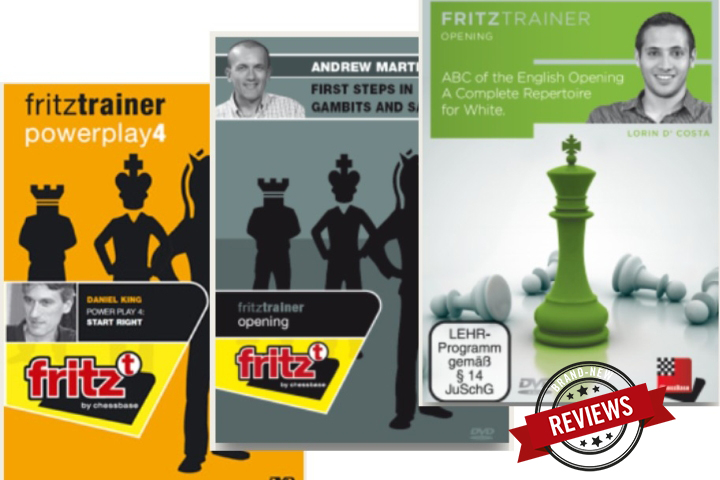
First, the good news: if you have access to a Windows PC, even the oldest Fritz Trainers, released between 2006 and 2010, can still be used without any technical limitations. All you need is the free ChessBase Reader 2017 or any ChessBase or Fritz program. Since these databases use the familiar CBH format, they can be opened with any version of ChessBase or Fritz. The only limitation is that Fritz Trainers released before 2019 are not yet compatible with macOS or browser-based use. The first two generations of Fritz Trainers can easily be recognised by their single-colour DVD cases featuring the Fritz logo.
Note:
If you install one of these Fritz Trainers from DVD, it is best not to use the automatic installation of the bundled ChessBase Reader, as the older DVDs include versions based on ChessBase 9 or, at best, ChessBase 12. If you do not already have a ChessBase program installed, install ChessBase Reader 2017 first.
The videos in Fritz Trainers released before 2010 naturally do not match the production quality of today's video courses. Watching them is a bit like viewing a television news broadcast from twenty years ago in an online archive: technically dated, but the content can still be just as worthwhile.
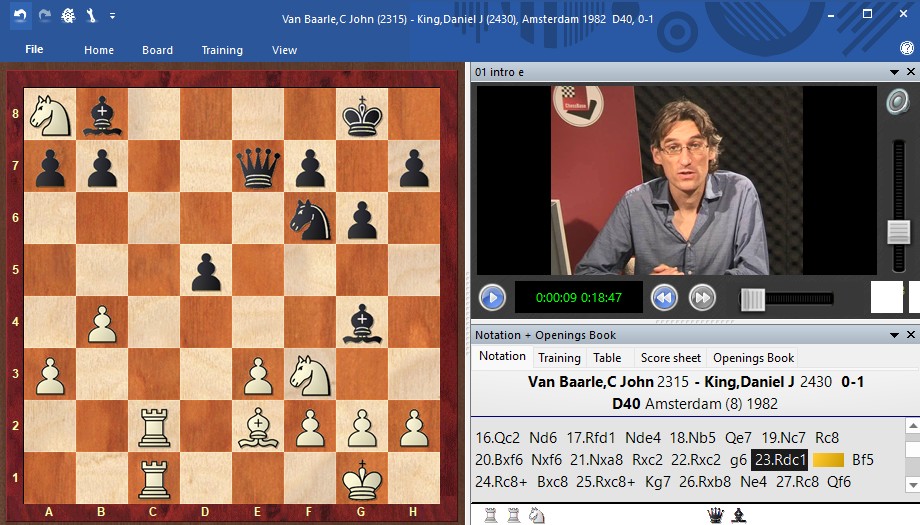
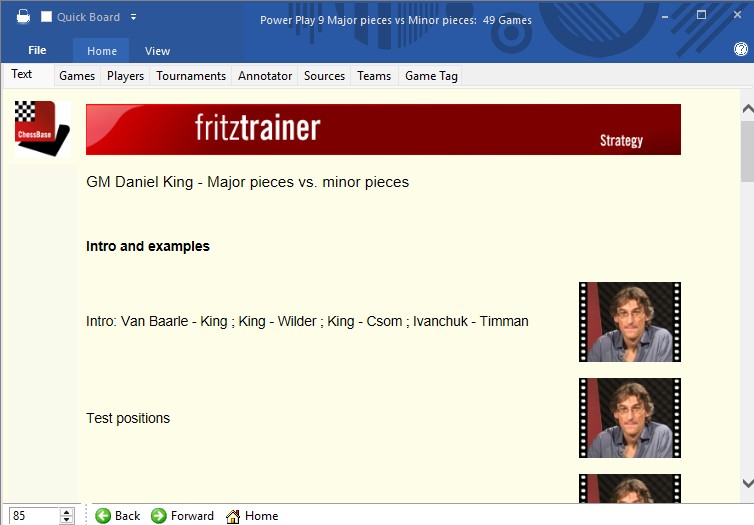
The user interface was still fairly basic, comparable to many websites of the time. Here is an example from Daniel King's PowerPlay 9, released in 2009.
A major innovation arrived in 2013 with the introduction of Fritz Trainers featuring the new two-tone design and the ChessBase logo. These courses added interactive videos that ask the viewer test questions and allow different moves to be played, each followed by a video response tailored to the chosen move.
Here is an example:
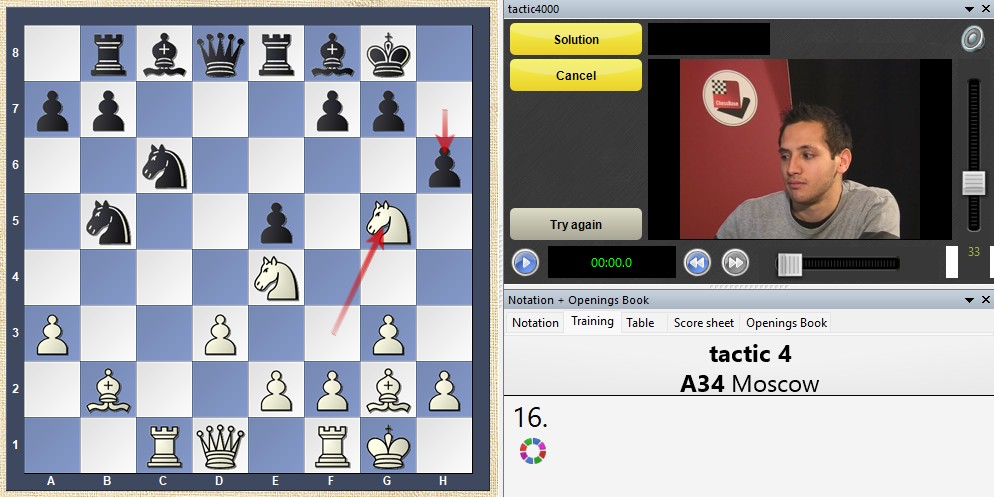
This generation of Fritz Trainers (2013–2023) also saw a number of technical improvements. From late 2019 and early 2020 onwards, the bundled ChessBase Reader was replaced by the Fritz Trainer App, allowing the video courses to be used without a ChessBase or Fritz program.
An even more important change came in 2020, when Fritz Trainer DVDs could be registered online using their activation code. This made download files available for macOS and also allowed the courses to be accessed through the ChessBase Video Portal in a web browser, including on tablets and smartphones.
How well have older courses stood the test of time?
Whether an older Fritz Trainer is still up to date depends very much on its subject. Courses on tactics, strategy and endgames are essentially timeless and have lost none of their instructional value. Even among the opening courses, there are many that teach fundamental concepts or provide a solid foundation for building an opening repertoire, despite having been released many years ago.
Here are some of my favourite older Fritz Trainers—courses that I would still be happy to buy today.
Power Play 15 - Practical Pawn Endings
Power Play 16 - Test Your Rook Endgames (2011)
by Daniel King
Based on his own playing experience, Grandmaster Daniel King reveals what is essential knowledge, saving you time in your studies. In the first section of the DVD he takes you through typical motifs and themes. In the second section he tests your knowledge with typical scenarios from actual games.
Video: 4 hours.
The aim of this DVD is to provide you with the practical skills and knowledge that you will need to play a rook and pawn endgame. Based on his own playing experience, Grandmaster Daniel King reveals what is essential knowledge, saving you time in your studies. The Power Play series is suitable for anyone looking to improve their chess, but also provides ready-made lessons and exercises for a trainer.
Running time: 5 hours
Anyone wanting to master the two most important endgame types—pawn endings and rook endings—will find two outstandingly well-structured courses here. After the introduction, both courses begin with a video featuring a series of test positions, without revealing the solutions straight away.
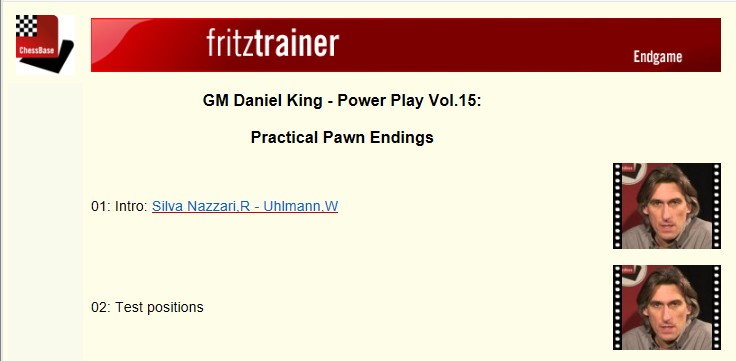
You are then encouraged to solve these test positions before studying the material. Only afterwards do the instructional videos explain the key concepts. Finally, separate videos return to the original test positions, discussing the solutions and explaining the correct ideas.
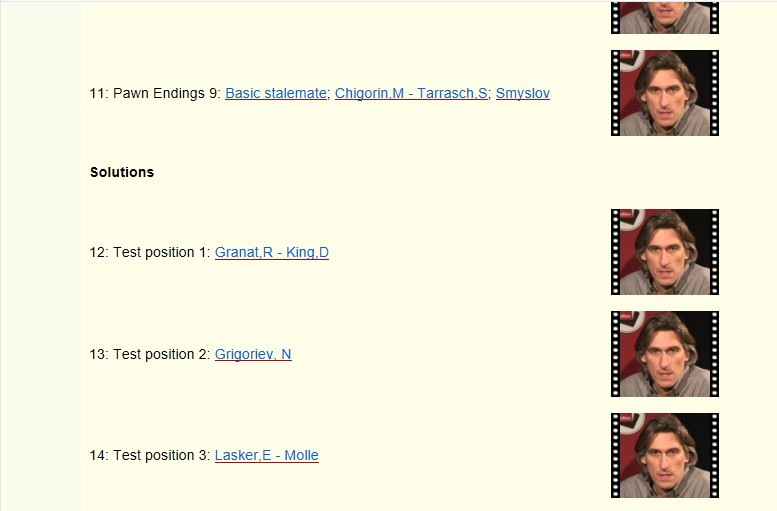
The Chess Player's Mating Guide Vol.1 and Vol.2 by Robert Ris (2017)
The attention will be paid to the castled king and in particular on ways of exploiting the weakened kingside. Several well-known themes, pawnformations and other attacking weapons are covered in 8 chapters.
An early work by the prolific Dutch International Master and trainer, released before his popular Calculation Training series.
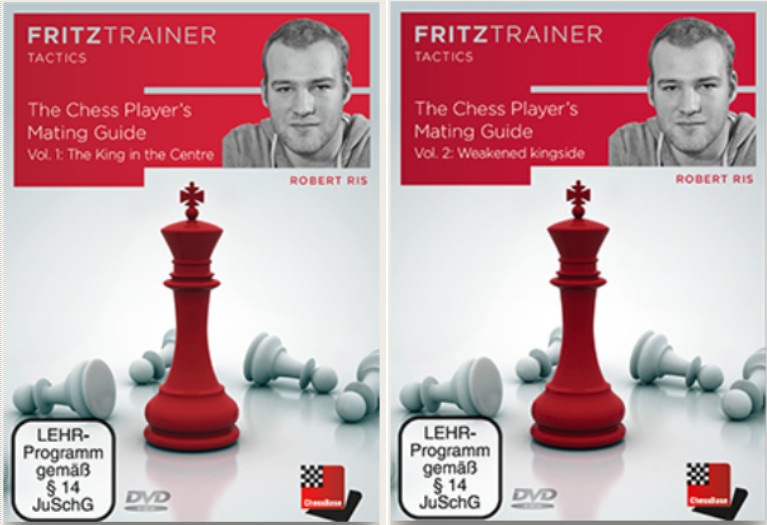
The same approach used in the Calculation Training series is already evident in these two courses. Introductory videos present the key concepts, which are then tested in a large number of interactive exercises.
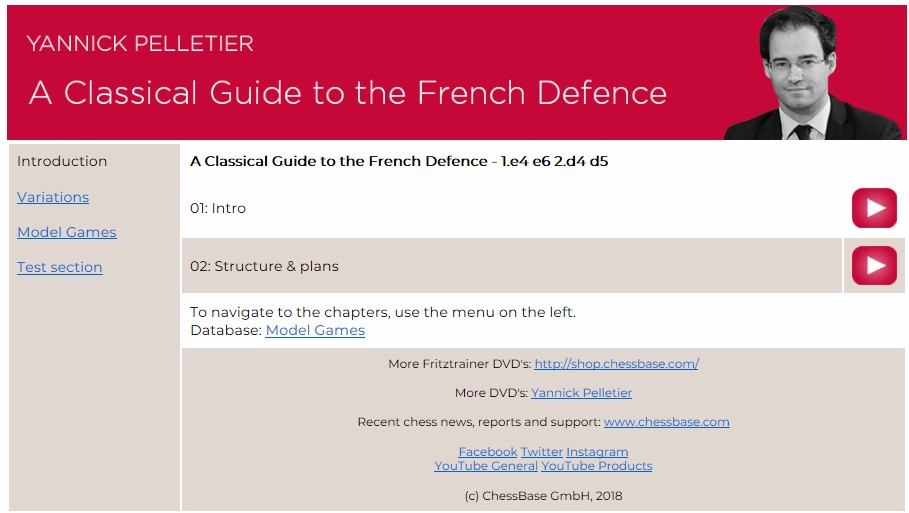
A Classical Guide to the French Defence by Yannick Pelletier (2018)
This DVD gives you the key to start out with the French Defence. GM Yannick Pelletier is a specialist of this opening, and believes that the most efficient way to understand its ideas, plans, and typical structures is to study classical lines.
A good example of a timeless opening Fritz Trainer that gives newcomers a solid understanding of the structures and strategic plans in the classical main lines.
Conclusion
Older Fritz Trainers can still provide a solid chess education. Unless a course focuses on the latest opening theory, many of these titles remain well worth considering. They also offer excellent value, as they are still sold at their original release prices, which are usually lower than those of current Fritz Trainers. My answer to the question posed in the title is therefore clear: yes, older Fritz Trainers are still well worth buying today.