4/14/2019 – The 21st Dubai Open witnessed one of the closest finishes that you would see at an open tournament. After nine rounds we had eight players on the same score of 7.0/9. Buchholz was the tiebreak and based on it Maxim Matlakov from Russia finished first and took home USD $13,000 along with the glittering Sheikh Rashid Bin Hamdan Al Maktoum Cup. Other players on 7.0/9 were 14-year-old prodigy Abdusattorov Nodirbek, Le Quang Liem, Yuriy Kuzubov, Eduardo Iturrizaga, Sanal Vahap, Aleksandar Indjic and P. Iniyan. A detailed report from Dubai by NIKLESH JAIN.
new: ChessBase Magazine 225
Chess Festival Prague 2025 with analyses by Aravindh, Giri, Gurel, Navara and others. ‘Special’: 27 highly entertaining miniatures. Opening videos by Werle, King and Ris. 10 opening articles with new repertoire ideas and much more. ChessBase Magazine offers first-class training material for club players and professionals! World-class players analyse their brilliant games and explain the ideas behind the moves. Opening specialists present the latest trends in opening theory and exciting ideas for your repertoire. Master trainers in tactics, strategy and endgames show you the tricks and techniques you need to be a successful tournament player! Available as a direct download (incl. booklet as pdf file) or booklet with download key by post. Included in delivery: ChessBase Magazine #225 as “ChessBase Book” for iPad, tablet, Mac etc.!
YOUR PERSONAL CHESS COACH - Whether you’re taking your first steps into the world of club chess, or already playing at a tournament level: with FRITZ, you can train more efficiently, intelligently and with a more personalised approach than ever before. FRITZ is more than just a chess engine – it’s a training revolution! Whether you’re taking your first steps into the world of club chess, or already playing at a tournament level: with FRITZ, you can train more efficiently, intelligently and with a more personalised approach than ever before.
Michael Kotyk presents a complete repertoire after 1.e4 e5, built around creative ideas, surprising move orders, and practical weapons designed to catch your opponents off guard.
€34.90
Eight players tie for the top spot in Dubai
UAE completed two strong back-to-back events on its soil — the Sharjah Masters from the 20-30th of March and the Dubai Open from the 1st to the 10th of April 2019. There was one player who finished joint first in both the events. In Sharjah he had to settle for the fifth spot due to tiebreaks but in Dubai he took home the trophy.
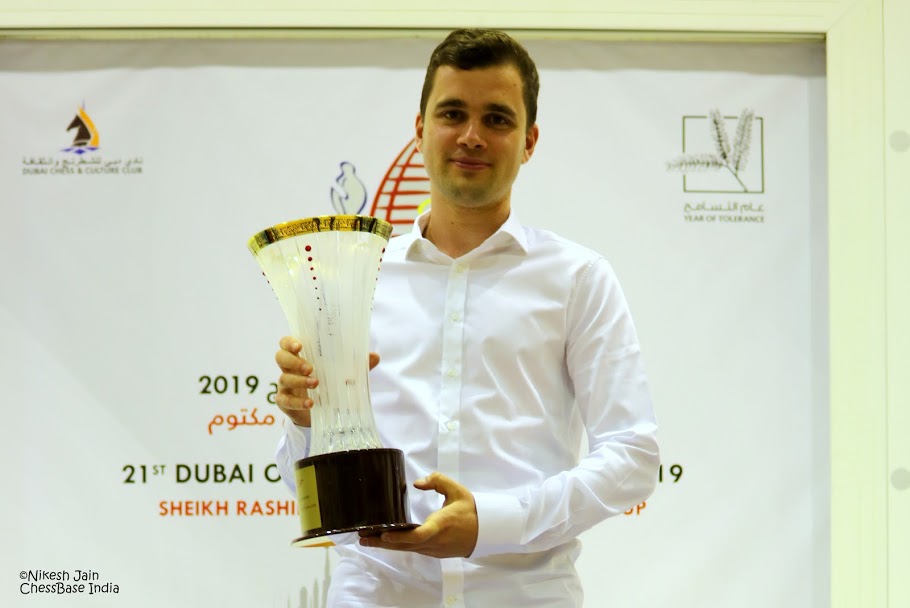
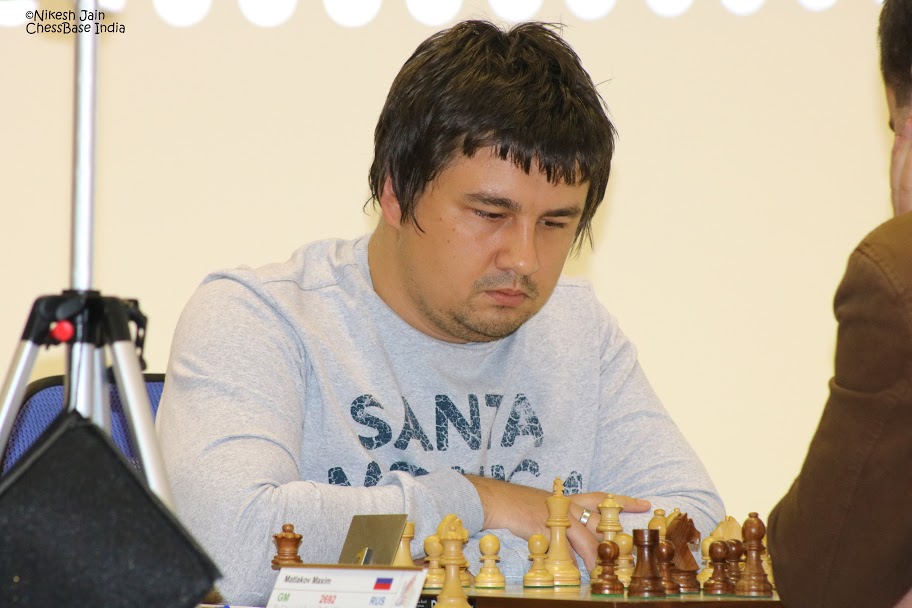
GM Maxim Matlakov from Russia, the winner of the Dubai Open 2019 | Photo: Niklesh Jain
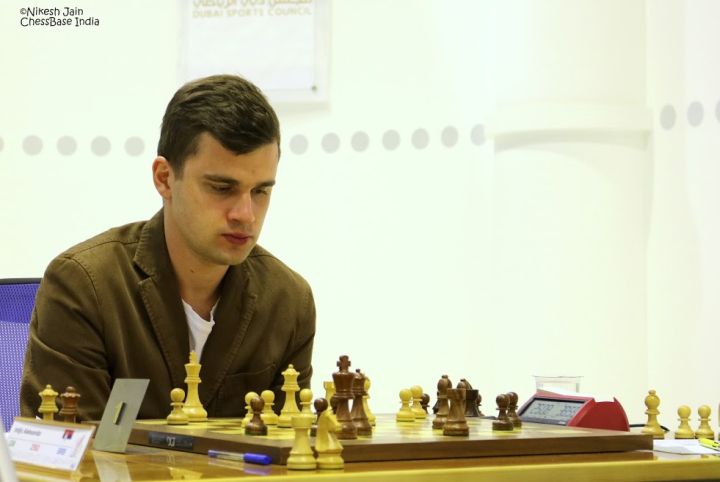
Second seed of the Dubai Open 2019, GM Maxim Matlakov won the 21st edition with 7.0/9 and a performance of 2734. It was an eight-way tie at the top, but because of superior tiebreak (Buchholz) Maxim collected cash prize of USD $13,000 and a beautiful trophy. The prize money was not shared.
Maxim played strong chess throughout the event scoring 5½ points in the first 6 rounds. After the hard work was done in the initial rounds, he switched gears, played solidly and drew all his three games in rounds seven, eight and nine to score 7.0/9 and become the 21st Dubai Open Champion. He is now once again close to the 2700 mark and has reached 2698.2 on the live rating chart.
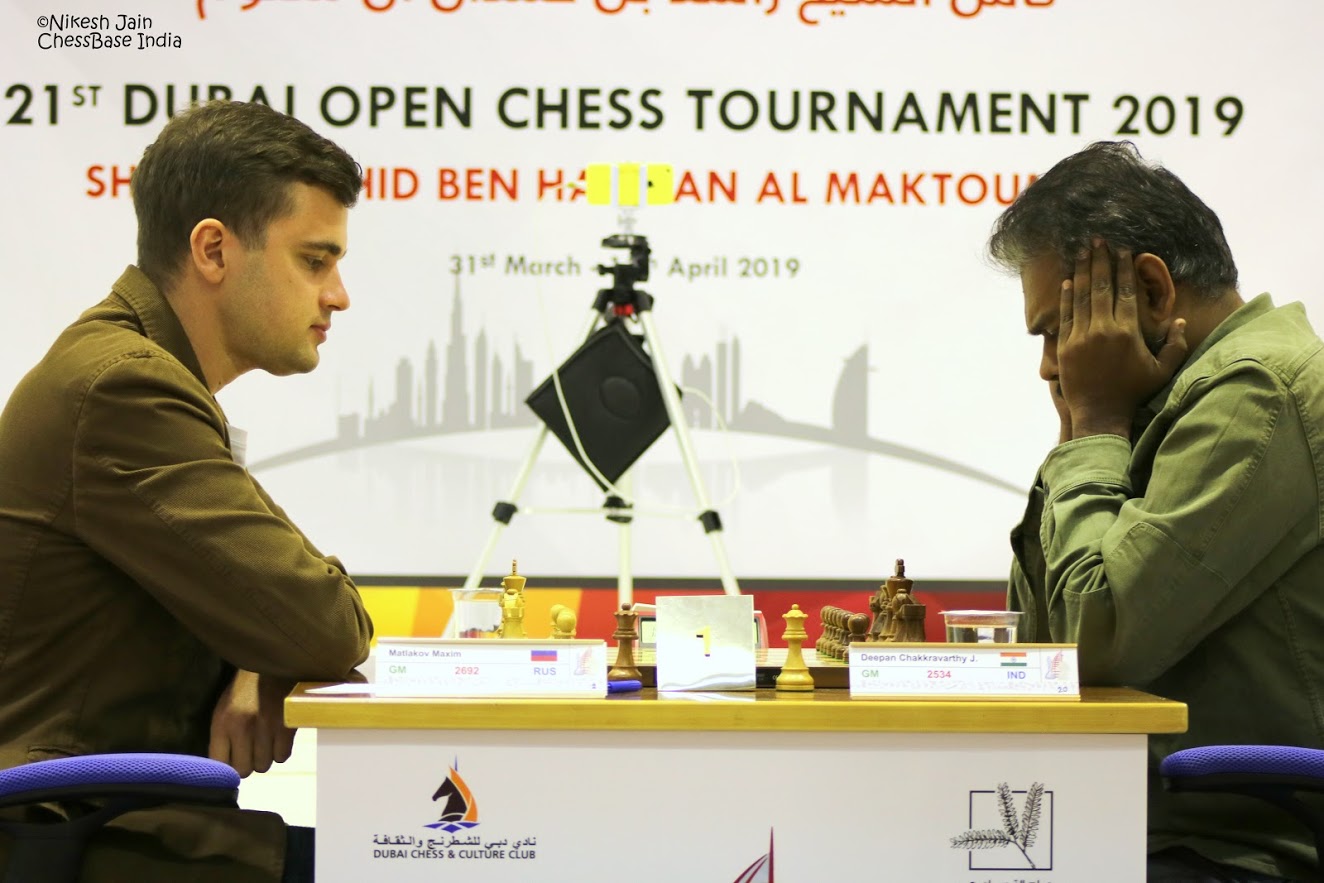
Speaking to ChessBase after the event, Maxim praised the organizers for their excellent hospitality and said that he when he left home for both the events in UAE, he had not thought that he would be sharing the first in both Sharjah and Dubai. Maxim's best game in the tournament was the one against Deepan Chakkravarthy, in the all-important sixth round.
Against the incredibly flexible Reti Opening (1.Nf3), Henrik Danielsen relies on a Slav setup: Black plays d5 followed by c6 and quickly develops his Bc8. The Islandic GM shows you many subtleties and tricks which you definitely need to know!
Matlakov's favourite game from the event was against GM Deepan Chakkravarthy | Photo: Niklesh Jain
Matlakov speaks with us after the end of the event
Second place in the tournament went to 14-year-old Uzbek talent GM Nodirbek Abdusattorov, who also had a very good event and has now reached 2598 on live rating list. The interesting point to note is that India's Nihal Sarin also has the same live rating and both of them are born in 2004. When we asked Abdusattorov about his rivalry with Nihal, he said, "some competition is bound to exist because both Nihal and I have played in many of the same age tournaments. The Uzbek prodigy gained 14.3 Elo points in Dubai and 5.1 in Sharjah. He took home 19.4 Elo points in this trip to UAE. Nodirbek's favourite game in the event was against Adly Ahmed.
The King’s Indian Attack is a unique opening system in that it offers White a dynamic and interesting game but without the need to know reams of theory. In addition to being easy to learn it has an excellent pedigree, leading exponents including great players such as Bobby Fischer, Tigran Petrosian, David Bronstein, Viktor Korchnoi, Leonid Stein and Lev Psakhis. GM Nigel Davies presents a complete repertoire for White.
Abdusattorov: "My favourite chess player is Robert James Fischer"
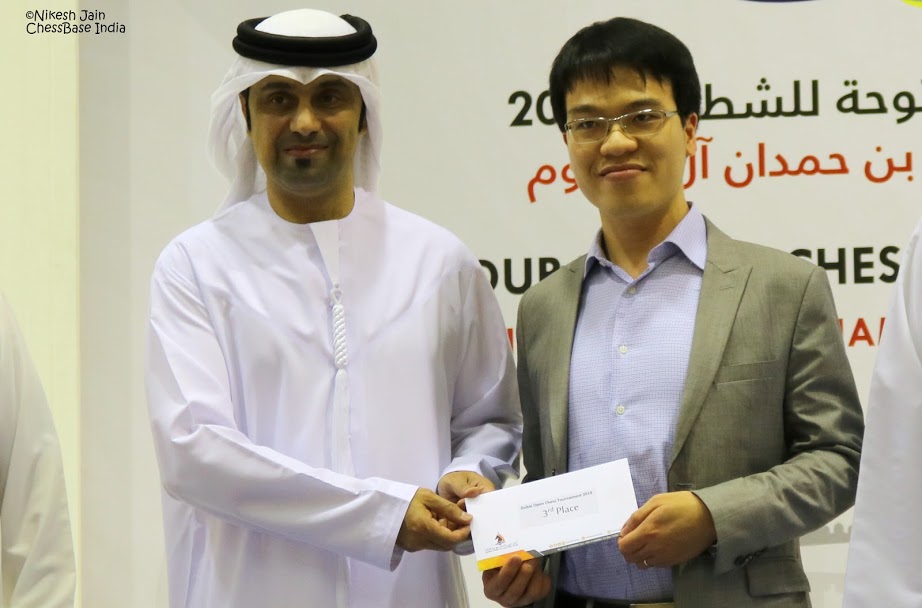
Thanks to the victories in last two rounds top seed GM Le Quang Liem managed to finish third with 7.0/9. He scored five wins, four draws and remained unbeaten.
GM Le Quang Liem | Photo: Niklesh Jain
GM Yuriy Kuzubov played a nice event, but he was a little unlucky to finish fourth. He scored 5½ points in the first 6 rounds and after that he drew three games just like Matlakov, but had to settle for the fourth place due to his inferior tiebreak.
GM Yuriy Kuzubov | Photo: Niklesh Jain
The first GM of Venezuela Eduardo Iturrizaga finished fifth with 7.0/9. He is the only +2600 player from Venezuela. He defeated Indian star Sethuraman in Round 7 but his first round walk over (his opponent didn't turn up) against Indian Prraneeth Vuppala cost him valuable tiebreak points.
GM Eduardo Iturrizaga | Photo: Niklesh Jain
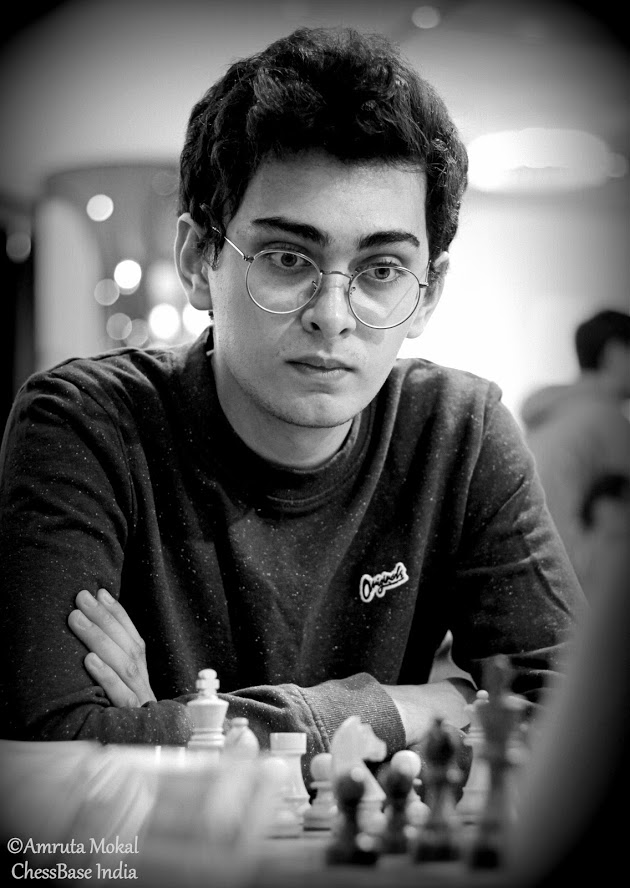
Vahap Sanal of Turkey made a strong comeback by beating two strong Iranian GMs — Ghaem Maghami Ehsan and Amin Tabatabaei in the last two rounds to finish joint first and take the sixth place.
GM Vahap Sanal | Photo: Amruta Mokal
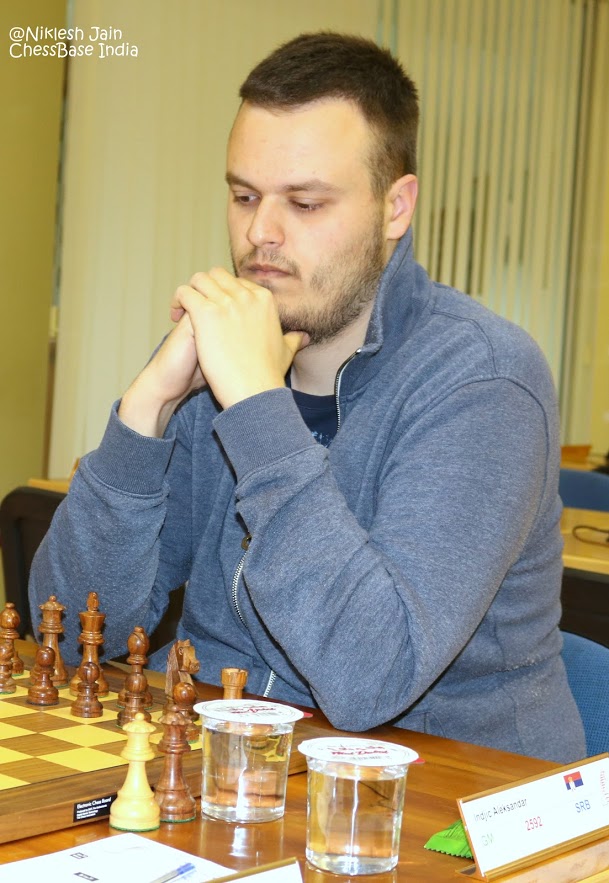
Aleksandar Indjic, the only player to share the pole position after each round throughout the tournament, was not as fortunate in his tiebreak score — he played well and scored 7.0/9, but it was only good for the seventh place.
GM Aleksandar Indjic | Photo: Niklesh Jain
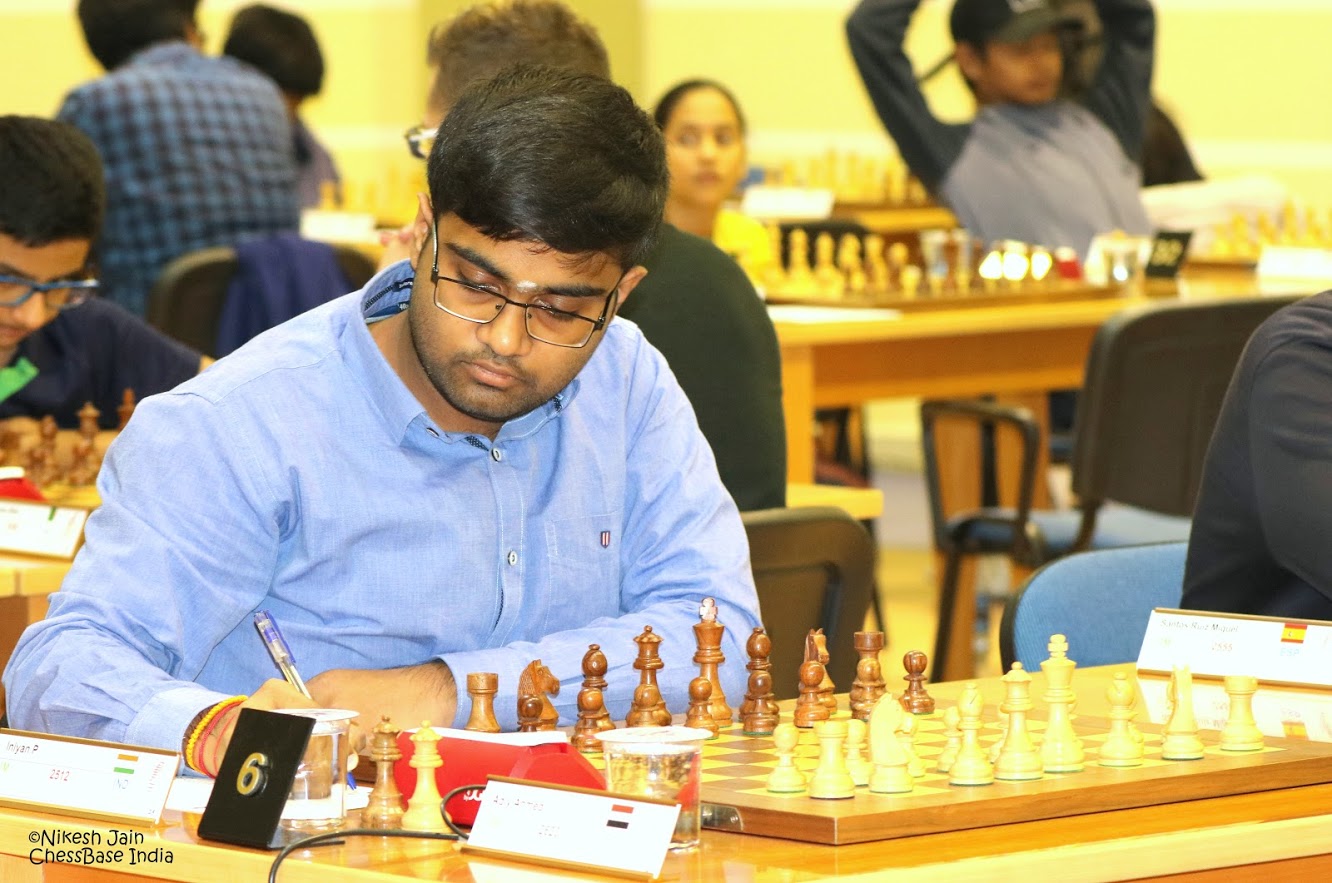
P. Iniyan scored a surprise final round victory over his compatriot S.P. Sethuraman and finished eighth | Photo: Niklesh Jain
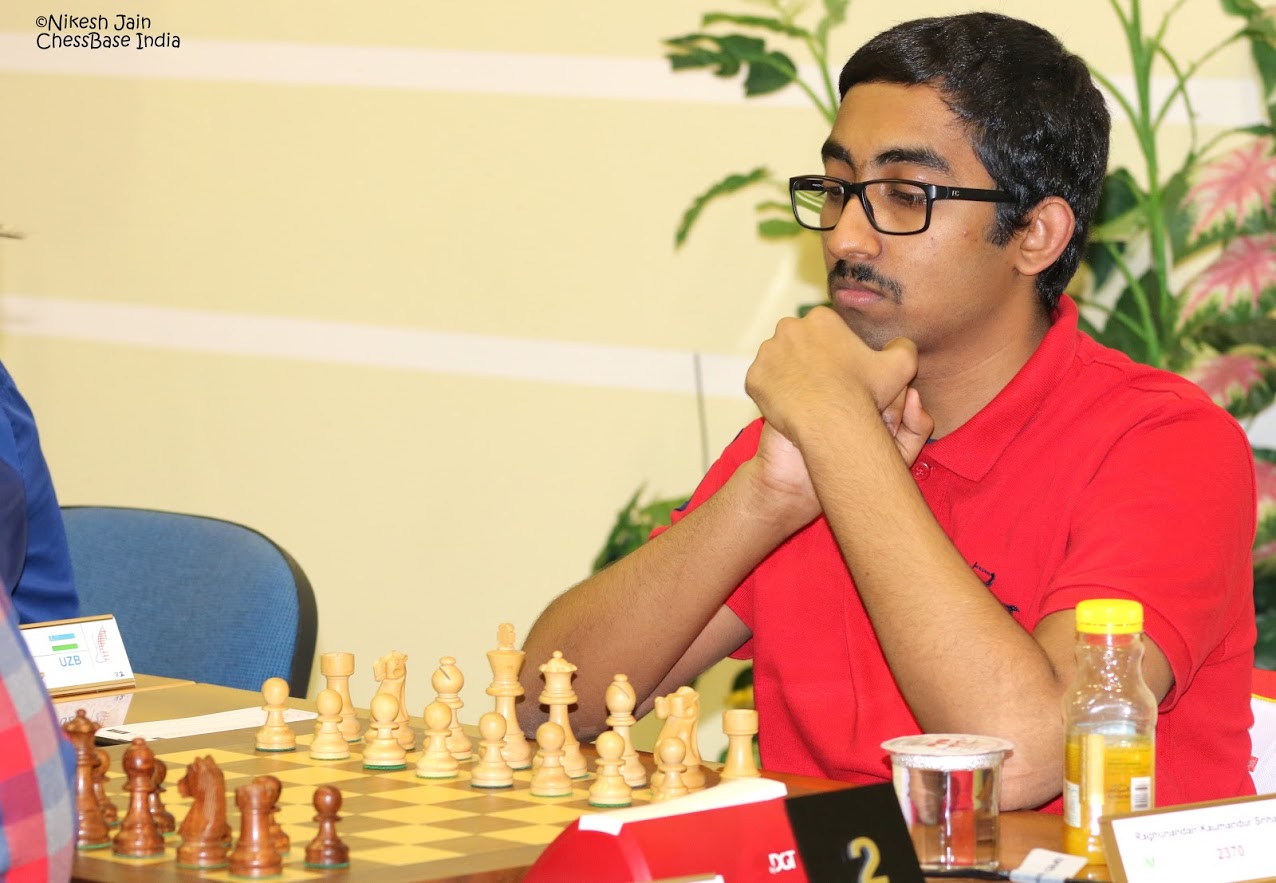
IM Raghunandan KS achieved his first GM norm at the event | Photo: Niklesh Jain
Raghunandan had a great start to the event with 4½/5. But then lost two games. In the final round he was in a must-win situation against GM Sandipan Chanda. His rating average was 2516, which required 6.0/9. If his rating average was 2520, then 5½/9 and a draw in the final round would have been enough for a GM norm. Beating a GM like Sandipan Chanda, who at one point in his chess career had an Elo of 2680, is never easy. It seemed like the game was going away from Raghunandan when Sandipan blundered in a big way, giving the youngster his first GM norm.
The Caro Kann is a very tricky opening. Black’s play is based on controlling and fighting for key light squares. It is a line which was very fashionable in late 90s and early 2000s due to the successes of greats like Karpov, Anand, Dreev etc. Recently due to strong engines lot of key developments have been made and some new lines have been introduced, while others have been refuted altogether. I have analyzed the new trends carefully and found some new ideas for Black.
12-year-old Bharath Subramaniyan scored an IM norm | Photo: Niklesh Jain
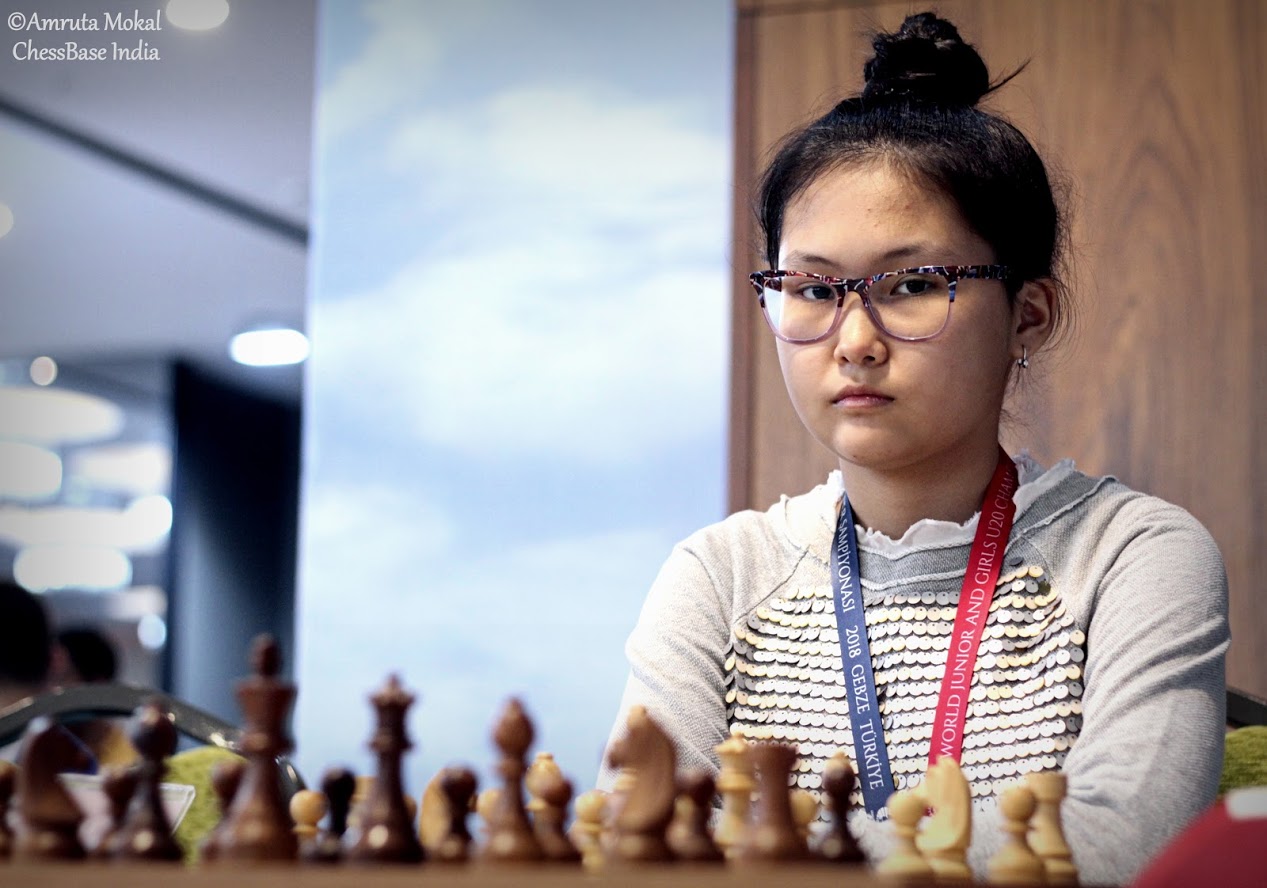
Bibisara Assaubayeva scored a WGM norm | Photo: Amruta Mokal
Category winners
Best female
1st: GM Tokhirjonova Gulrukhbegim (Uzbekistan)
2nd: FM Bibisara Assaubayeva (Kazakhstan)
Best Dubai Player
1st: FM Ahmed Fareed
2nd: Ali Abdulaziz
Best UAE Player
IM Sultan Ibrahim
Best Arab Player
GM Bilel Bellahcene (Algeria)
Best Player 2301-2400
IM Raghunandan Kaumandur Srihari (India)
Best Player 2201-2300
Raahul V S (India)
Best Player 2101-2200
Chekh Adm Khedr Aram (Syria)
Best Player 2001-2100
Sri Sai Baswanth P (IND)
Best Player 2000-below
Jerlyn Mae San Diego (Philippines)
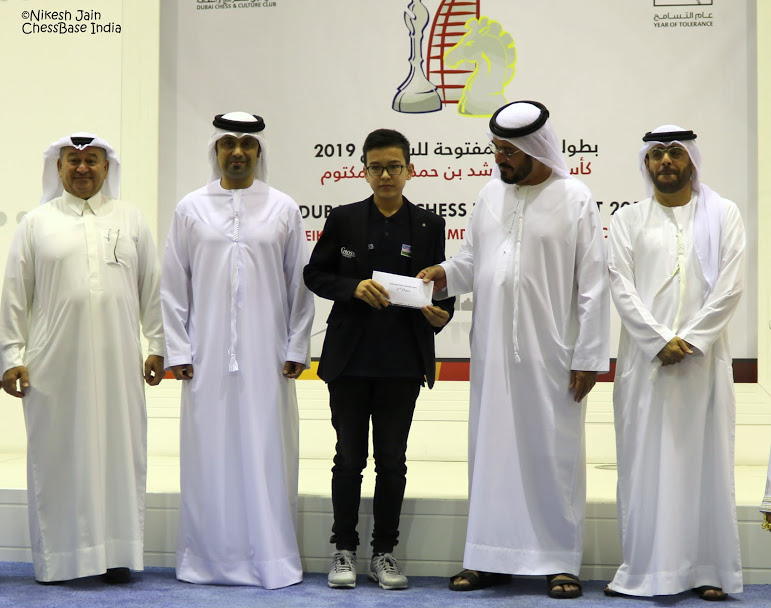
All the prize winners of Dubai Open 2019 captured in one frame
Niklesh Kumar JainFIDE Instructor Niklesh Kumar Jain Jain is an international chess player who has participated in tournaments in almost in 20 different countries, winning the international tournament in Sri Lanka in 2010. He also worked for a television network as an anchor and news writer for two years and reported in Hindi during World Chess Championship 2013 and 2014.
YOUR PERSONAL CHESS COACH - Whether you’re taking your first steps into the world of club chess, or already playing at a tournament level: with FRITZ, you can train more efficiently, intelligently and with a more personalised approach than ever before.
How grandmasters win without fireworks: GM Jan Markos shows you 11 very practical tips from "How to play in a lost position" to "Be patient like Carlsen" that will improve your tournament chess.
The Nimzo-Indian has stood the test of time for over a century: Still a top choice for elite players today, from Magnus Carlsen to Praggnanandhaa, it remains one of Black's most reliable ways to fight for real chances against 1.d4 2.c4 3.Nc3.
1.c4 e5 2.Nc3 Bb4!? is an opening idea well worth considering. Black immediately threatens to double the pawns on c3 in the style of the Trompowski or Sicilian Grand Prix attack.
Italian Game Powerbase 2026 is a database and contains 8571 top class games from Mega 2026 and the Correspondence Database 2026, of which 479 are annotated.
Videos: Nico Zwirs discusses the Sicilian with 2…e6 3.d4 cxd4 4.Qxd4 Nc6 5.Qe3 Nf6 6.Nc3. Mihail Marin examines Sindarov’s 6.Ne5 in the Queen’s Pawn Defence. Plus the ‘Lucky bag’ featuring 41 analyses by Berg, Ftacnik, Gupta and many others.
€14.90
We use cookies and comparable technologies to provide certain functions, to improve the user experience and to offer interest-oriented content. Depending on their intended use, analysis cookies and marketing cookies may be used in addition to technically required cookies. Here you can make detailed settings or revoke your consent (if necessary partially) with effect for the future. Further information can be found in our data protection declaration.
Pop-up for detailed settings
We use cookies and comparable technologies to provide certain functions, to improve the user experience and to offer interest-oriented content. Depending on their intended use, cookies may be used in addition to technically required cookies, analysis cookies and marketing cookies. You can decide which cookies to use by selecting the appropriate options below. Please note that your selection may affect the functionality of the service. Further information can be found in our privacy policy.
Technically required cookies
Technically required cookies: so that you can navigate and use the basic functions and store preferences.
Analysis Cookies
To help us determine how visitors interact with our website to improve the user experience.
Marketing-Cookies
To help us offer and evaluate relevant content and interesting and appropriate advertisement.













.JPG)