Pragg wins with four games to spare, Caruana protects early lead to emerge victorious
Fabiano Caruana and Praggnanandhaa Rameshbabu will battle for overall victory at the 2026 Grand Chess Tour Finals after coming through their semifinal matches on Monday. Praggnanandhaa defeated Vincent Keymer 19-9, having already secured the match with four games still to play, while Caruana overcame Wesley So 18-12 in a considerably tighter contest.
The finalists will begin again from zero on Tuesday, when the first classical games of the final and third-place match will be played. Keymer and So will meet for third place, with an added incentive: the winner will secure a place on the 2027 Grand Chess Tour.
 Become a master of chess strategy – get Robert Ris’s complete bundle now at a special price!
Become a master of chess strategy – get Robert Ris’s complete bundle now at a special price!Monday's programme consisted of two rapid games at 25 minutes plus a 10-second increment, followed by four blitz games at 5 minutes plus 2 seconds.
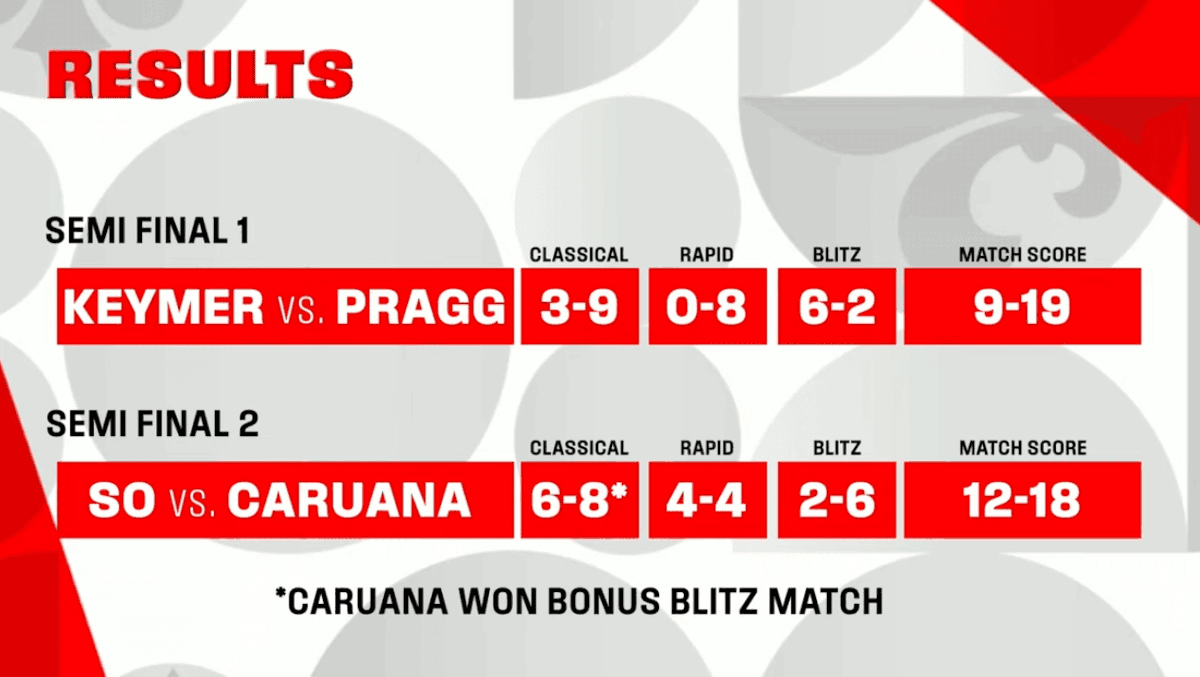
Praggnanandhaa 19-9 Keymer
Keymer had missed a major opportunity in Sunday's classical game, when he let a winning position slip and eventually lost. The effects appeared to carry over into the faster section, as the German began the day with three consecutive defeats.
Already 6 points behind and playing Black in the first rapid game, Keymer chose the Pirc Defence. Pragg had little reason to take risks and steered the game towards simplifications immediately, exchanging queens early on. The Indian star handled the resulting position accurately and gradually converted what became his most convincing performance of the match up to that point.
The second rapid game was even more one-sided. Pragg, this time with black, obtained an excellent position almost immediately out of a Sicilian. The structure soon allowed him to launch a King's Indian-style attack without facing the usual counterplay, and Keymer's position deteriorated rapidly. White's queen was trapped in the middlegame, leaving Pragg on the verge of mathematical qualification.
The Indian GM, who had won the Saint Louis Rapid & Blitz last month, then won the opening blitz game despite having stood worse, turning the position around after Keymer failed to foresee a forced mate in three moves. This result settled the semifinal with four games remaining.
The remaining encounters were still played, and Keymer responded by winning all three, reducing the final margin to 19-9 and at least ending the match on a positive note before his third-place contest against So.
 In this video course experts examine the games of Bent Larsen. Let them show you which openings Larsen chose, where his strength in middlegames were, how he outplayed his opponents in the endgame & you’ll get a glimpse of his tactical abilities!
Bent Larsen (1935–2010) was the greatest chess player in Danish history, and for a time, the second-strongest player in the Western world behind Bobby Fischer. Between 1954 and 1971, he won the Danish Championship six times, and achieved numerous international tournament victories throughout his career.
Free video sample: Introduction to Bent Larsen by Peter Heine Nielsen
Free video sample: Introduction to the Opening Section
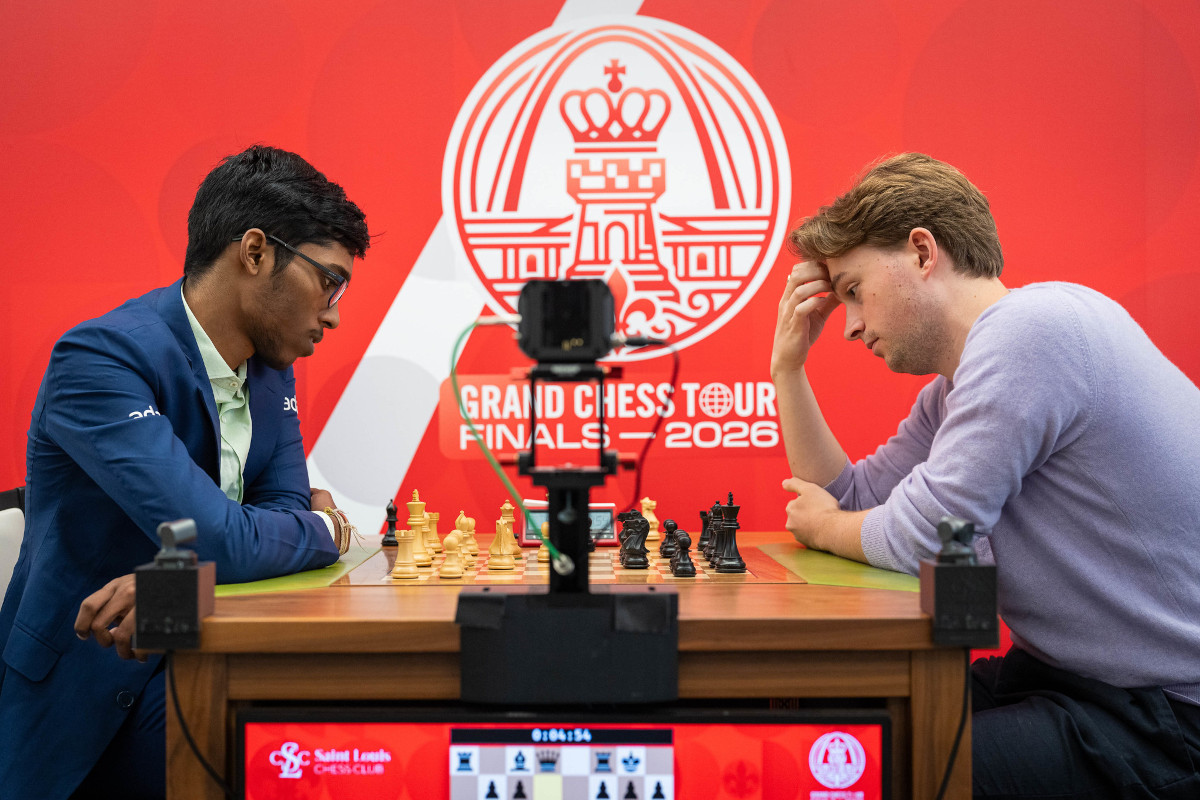
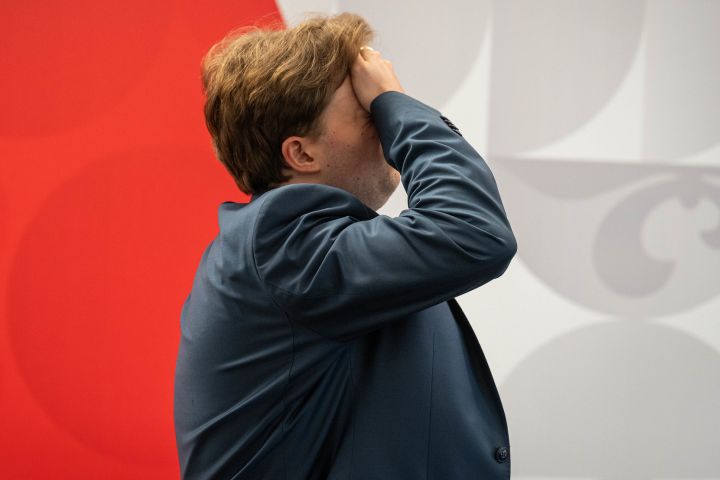
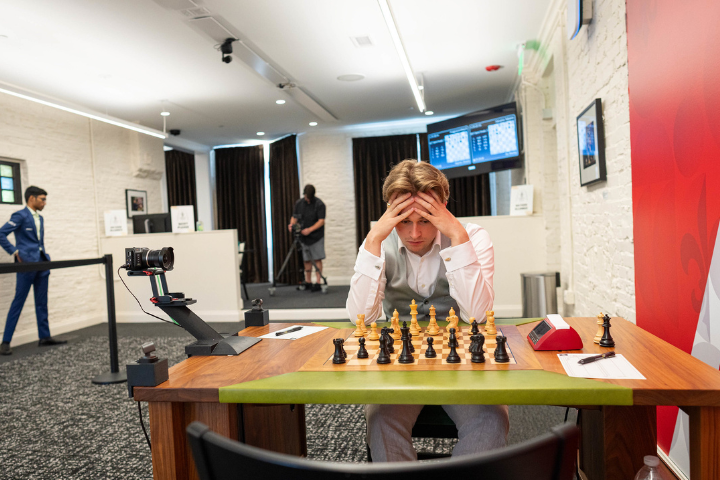
Praggnanandhaa Rameshbabu v. Vincent Keymer | Photo: Lennart Ootes
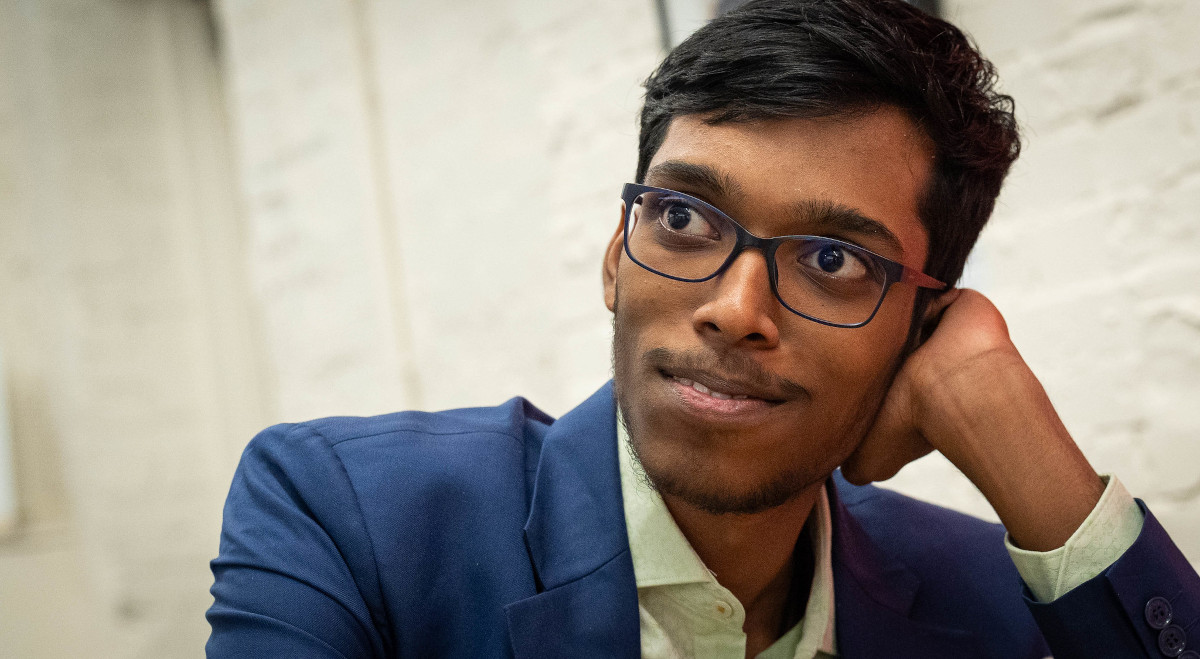
It has been a successful run at the Saint Louis tournaments for Praggnanandhaa Rameshbabu | Photo: Lennart Ootes
Caruana 18-12 So
Caruana entered Monday with a two-point advantage after winning the bonus blitz game that followed two draws in the classical section. Rather than forcing matters in the rapid portion, he protected that lead with two controlled draws.
The first rapid game saw So employ the Berlin Defence, and Caruana was unable to create serious winning chances. The second featured Queen's Gambit Declined and was similarly balanced, leaving Caruana, the defending champion, still in front before the four blitz games.
Caruana then increased his advantage in the first blitz encounter. So's 20...Nd7? was a costly error, dropping a pawn and leaving his position difficult to hold. Caruana converted to move four points clear overall.
So came close to reducing the deficit in the next game, reaching a winning position before Caruana found a queen manoeuvre that generated perpetual check.
With his margin intact, Caruana only needed to avoid defeat in the following game to clinch the match.
Playing black, So replied to 1.e4 with 1...g6 in a typical attempt to keep the game unbalanced while in a must-win situation. Caruana made effective use of his space advantage and eventually trapped his opponent's knight on h5.
The result settled the semifinal before the last blitz game, which ended in a 54-move draw and completed an 18-12 victory.
Caruana will now have the chance to retain the GCT Finals title and become the first player to win the event in consecutive years. Pragg, meanwhile, will be aiming for his first title in the competition - last year, he lost in the semifinals against Maxime Vachier-Lagrave in São Paulo. Following the drawing of lots, Pragg will have black in the opening classical game of the final, while So will begin with black against Keymer in the third-place match.
 Besides in-depth theory and exciting tactical exercises in the Scotch Game, this video course also includes a bonus section on the Scotch Gambit (1.e4 e5 2.Nf3 Nc6 3.d4 cxd4 4.Bc4), a lively variation often leading to very dynamic positions.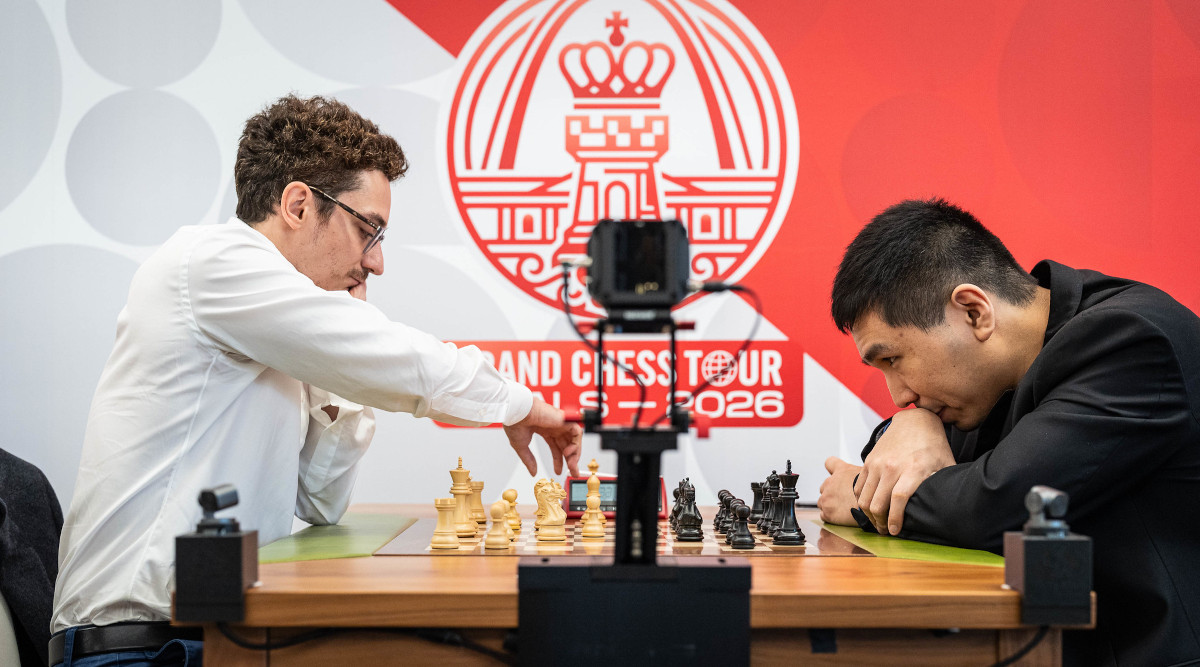
Fabiano Caruana playing white against Wesley So | Photo: Lennart Ootes
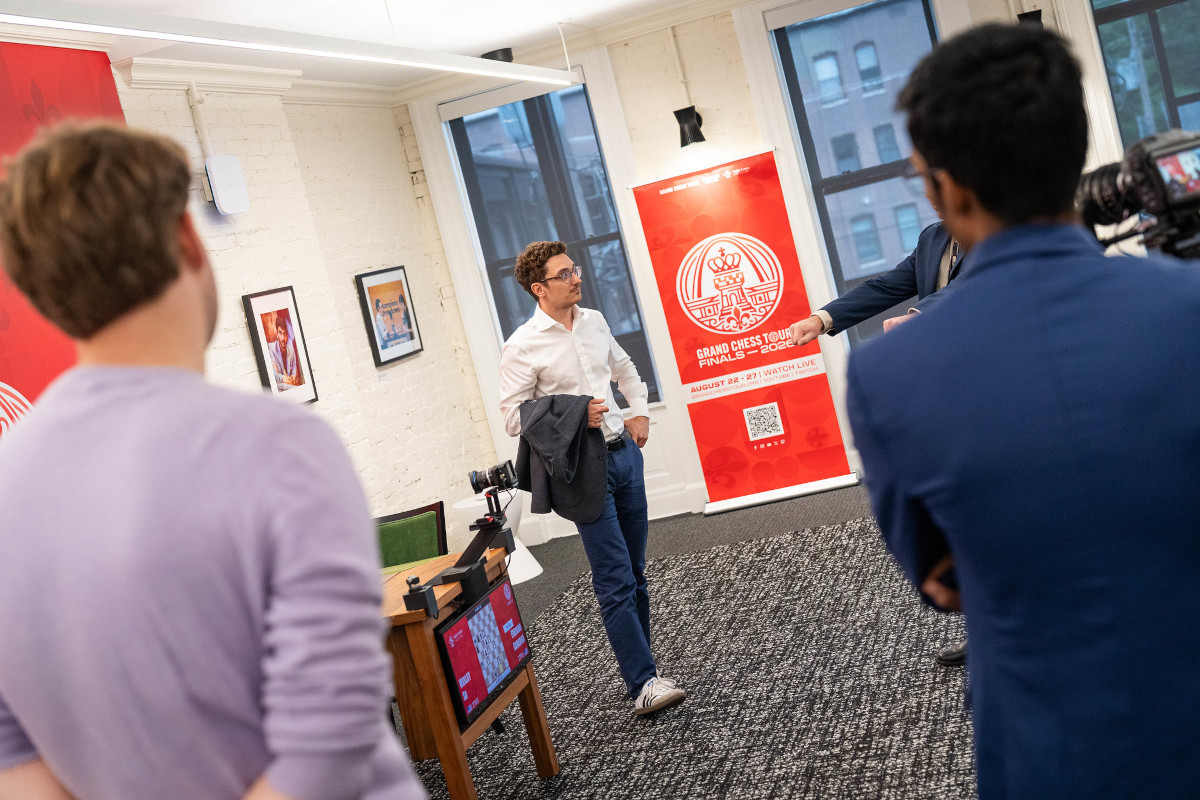
Defending champion Fabiano Caruana during the drawing of lots for the final match set to start on Tuesday | Photo: Lennart Ootes
All games
Links




.jpeg)