.jpeg)

The starting tabiya of the Philidor has been reached after 1.e4 e5 2.♘f3 d6 3.d4 exd4 4.♘xd4 ♞f6 5.♘c3 ♝e7, leaving White with a very big choice of various developing schemes. In a recently played game I opted for the setup with 6.g3 and after some opening adventures I managed to outplay my opponent in the long run with the aid of the bishop pair. More ambitious is 6.♗f4, which I obviously knew about, but wasn't ready to play. After my game I had a look at the sharp consequences of this move and consider it to be the refutation of the Philidor.
In this one hour all the critical lines are covered and make you well-prepared to crush this offbeat opening line.
The live show is free to watch and available on-demand for ChessBase Premium accounts.
Warming-up: White to play!
Move the pieces on the live diagram — solution below!
To chat, please visit videos.chessbase.com/live or login via Playchess for Windows.
Robert is live every other Thursday at 18:00 UTC (19:00 CET / 13:00 EST)
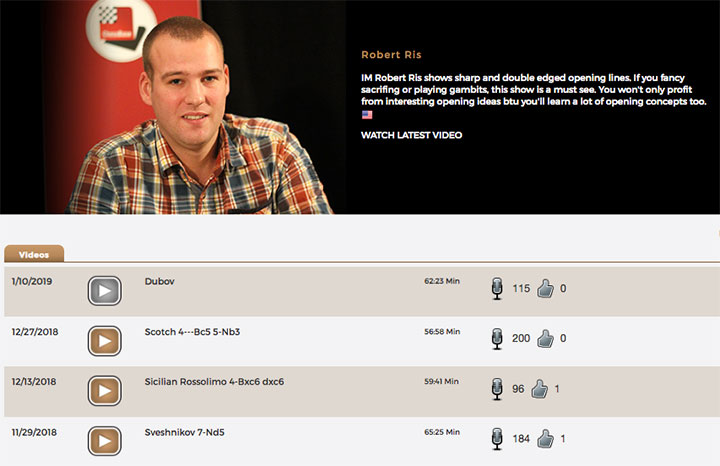
Many more Fast and Furious episodes are available in ChessBase Videos