
.jpeg)

This review focuses on the new Fritz Trainer by S. P. Sethuraman, which covers the Classical Sicilian. This five-hour training course offers a complete repertoire against 1.e4: the Classical Sicilian (1.e4 c5 2.Nf3 d6 3.d4 exd4 4.Nxd4 Nf6 5.Nc3 Nc6).
The author, S. P. Sethuraman, is an Indian grandmaster who has published numerous works and is known for his dynamic play. He is a former U16 World Champion and Asian Champion. He is considered a key figure in the success of the Indian team at the Chess Olympiad and was largely responsible for their thorough opening preparation.
The Classical Variation of the Sicilian Defence is a recurring theme in chess literature and offers numerous advantages. In my review, I would like to focus in particular on two aspects that, in my opinion, distinguish both the opening and the Fritz Trainer: flexibility and practicality.
On the one hand, the Classical Variation avoids the immense theoretical burden associated with variations such as Najdorf or Sveshnikov, which gives the opening great practical value. On the other hand, it offers a certain flexibility in terms of move sequences, which is explained in more detail in the Fritz Trainer.
If we consider the first moves, an important question arises early on: namely, whether to play 2...d6 or 2...Nc6 and which Anti-Sicilian to allow. The Classical Sicilian avoids this problem as both ...d6 and ...Nc6 are part of Black's structure and therefore neither can be forced. Instead, it offers enormous flexibility, as you can decide which Anti-Sicilian you want to allow. 2...d6 allows the Moscow Variation with 3.Bb5+, and 2...Nc6 allows the Rossolimo Variation after 3.Bb5.
This makes the Classical Sicilian one of the most flexible lines available to Black. As well as offering a high degree of flexibility, it provides better development than the Najdorf, for example. Instead of the prophylactic/wait-and-see move 5...a6, the knight is developed to c6, where it actively attacks d4 and possibly b4. Sethuraman provides concrete examples of this in his comparison of the Najdorf and the Classical Variation, and shows that this speaks for the Classical Sicilian. This also demonstrates the depth with which Sethuraman approaches the topic. He draws comparisons with other Sicilian openings and highlights the concrete advantages of the Classical Variation.
As far as the theoretical state of the line is concerned, I can say, with reference to all publications on the classical Sicilian (see Marin: Chessbase, 2015), that this is an update of the current literature, including improvements that have emerged from other publications. This Fritz Trainer is therefore a state-of-the-art product that reflects the current state of theory.
In addition to the theoretical material, there is also a database with sample games and exercises. The theory chapters also include critical positions from the games as training material, which makes it easier to practise and memorise the important key moments.
The only thing I felt was missing was a dedicated chapter on strategy for the pawn structure that occurs specifically in this Sicilian variation: the Rauzer structure with double pawns. While the structure is mentioned in the course and the plans are outlined, additional training material for practising would have been useful to supplement the theory and exercises, and improve understanding.
Here is a brief overview of the recommended variations presented by Sethuraman on the Fritz Trainer:
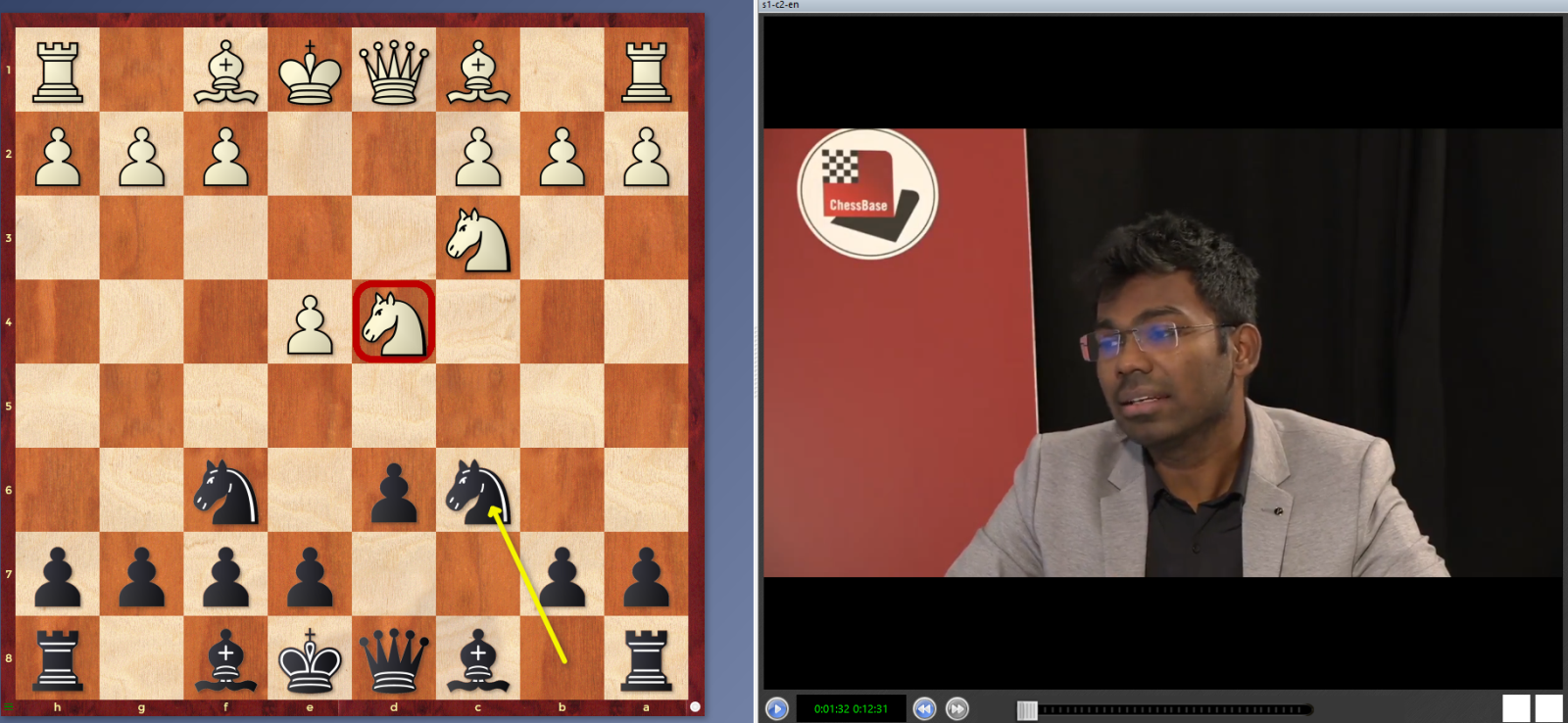
1.e4 c5 2.Nf3 d6 3.d4 cxd4 4.Nxd4 Nf6 5.Nc3 Nc6
If you are looking to get started with the Sicilian Defence or want a flexible Sicilian with relatively straightforward theory, this Fritz Trainer will bring you up to date with the latest theory and provide you with enough additional practice material to learn a reliable, Open Sicilian in no time. Only the Anti-Sicilians and early deviations need to be added, but this does not detract from Sethuraman's Fritz Trainer. I can therefore recommend this course without reservation.
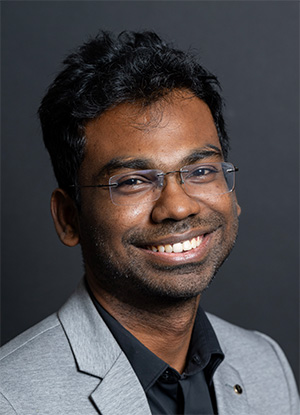 Grandmaster S.P. Sethuraman is a former World Under-16 Champion and Asian Chess Champion. A key player in India‘s Olympiad success, he is known for his deep opening preparation and strategic mastery. With years of elitelevel experience, he is a true expert in modern opening play. His insights help players navigate the complexities of the opening with confidence.